Gut Health19 July 2026·📖 7 min read

The Gut Motility Guide: How to Keep Things Moving for Better Digestive Health

Digestive sluggishness, bloating, and irregularity affect millions — but gut motility is rarely talked about. Here's what the science says about keeping your digestive system moving at its best.

The Gut Motility Guide: How to Keep Things Moving for Better Digestive Health
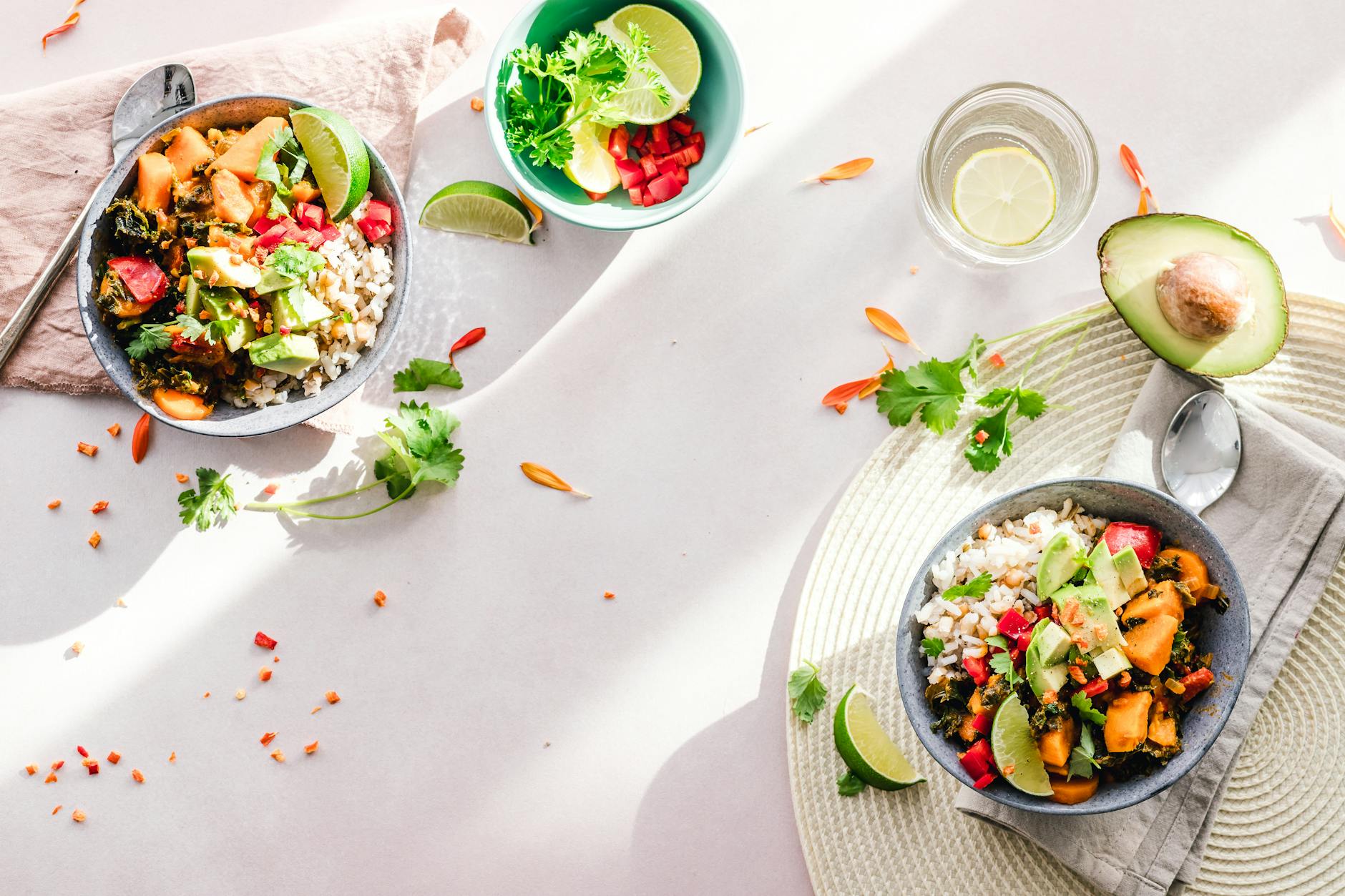
Photo by Ella Olsson on Pexels

You've probably heard plenty about the microbiome — the trillions of bacteria living in your gut. But there's another dimension of digestive health that doesn't get nearly enough attention: gut motility. It's the engine that keeps everything moving through your digestive tract, and when it's off, the ripple effects go far beyond occasional bloating or constipation. Understanding gut motility — and how to support it through food — is one of the most practical things you can do for your overall well-being.

What Is Gut Motility, Exactly?

Gut motility refers to the coordinated contractions of the muscles lining your gastrointestinal (GI) tract. These muscular movements — called peristalsis — push food and waste from your esophagus all the way through to your colon. Think of it as a rhythmic squeezing that keeps your digestive conveyor belt running on schedule.

When motility is too slow, you experience constipation, bloating, and a backed-up feeling. When it's too fast, nutrients don't get properly absorbed, and diarrhea or urgency can result. The goal is a well-regulated, consistent rhythm — and your diet plays a starring role in achieving that.

Recommended Products

As an Amazon Associate, NutriPlan earns from qualifying purchases — at no extra cost to you.

The Nervous System Connection

Your gut has its own nervous system — the enteric nervous system — sometimes called the "second brain." It contains more than 500 million neurons and communicates constantly with the brain via the vagus nerve. This gut-brain communication doesn't just influence mood; it directly regulates the timing and strength of muscular contractions throughout your GI tract.

A 2022 review published in Neurogastroenterology & Motility confirmed that disruptions to this signaling pathway — from stress, poor sleep, or dietary imbalances — can meaningfully impair transit time and digestive comfort. In other words, what you eat doesn't just fuel your body; it sends signals that either support or disrupt the rhythm of digestion itself.

How Diet Directly Affects Gut Motility

Dietary Fiber: Still the MVP

Fiber remains the most evidence-backed dietary tool for supporting healthy gut motility. Insoluble fiber (found in whole grains, bran, and vegetables like carrots and celery) adds bulk to stool and speeds transit through the colon. Soluble fiber (found in oats, legumes, apples, and flaxseed) forms a gel that softens stool and slows absorption in a way that supports regularity without urgency.

A large meta-analysis published in The American Journal of Gastroenterology found that increasing dietary fiber intake significantly improved stool frequency and consistency across diverse populations. Most adults consume only about half the recommended daily intake of 25–38 grams — meaning there's substantial room for improvement for most people.

Hydration: The Overlooked Accelerator

Fiber works best with adequate water. Without sufficient hydration, increased fiber intake can actually worsen constipation by creating a bulky, dry mass that's harder to move. Aim for at least 1.5–2 liters of water daily, and more if you're physically active or consuming a high-fiber diet. Warm liquids in the morning — including warm water with lemon — have been shown to stimulate peristaltic contractions and support bowel regularity.

Healthy Fats and Motility

Dietary fats, particularly from sources like olive oil, avocados, and fatty fish, stimulate the release of cholecystokinin (CCK), a hormone that triggers gallbladder contraction and promotes movement through the small intestine. A 2021 study in Digestive Diseases and Sciences noted that diets chronically low in healthy fats were associated with slower colonic transit times. A drizzle of olive oil on vegetables isn't just delicious — it's functional.

Magnesium-Rich Foods

Magnesium plays a direct role in smooth muscle relaxation and contraction throughout the GI tract. Low magnesium intake is closely associated with constipation. Foods rich in this mineral — dark leafy greens, pumpkin seeds, black beans, and dark chocolate — can support healthy muscle contractions in the gut wall. A 2020 study in the European Journal of Nutrition linked higher dietary magnesium intake with significantly improved bowel movement frequency.

Lifestyle Factors That Amplify Your Dietary Efforts

No dietary strategy works in isolation. Physical activity is one of the strongest natural promoters of gut motility — even a 20–30 minute brisk walk after meals has been shown to measurably accelerate gastric emptying and reduce transit time. Chronic stress, on the other hand, activates the sympathetic nervous system, which actively suppresses digestive contractions. Mindfulness practices, adequate sleep, and stress management are therefore as relevant to your gut health as what's on your plate.

Practical Steps to Support Gut Motility Starting Today

  • Build fiber in gradually — a sudden spike can cause bloating. Add one high-fiber food per week.
  • Start your morning with warm water or herbal tea to gently stimulate peristalsis.
  • Include a healthy fat at each meal — olive oil, nuts, avocado, or fatty fish.
  • Eat consistently — skipping meals disrupts the migrating motor complex, the "housekeeping" wave that clears the gut between meals.
  • Move after eating — even a short walk supports gastric emptying.
  • Reduce ultra-processed foods — a 2023 study in Gut found that diets high in ultra-processed foods were associated with significantly slower colonic transit and altered motility patterns.

The Bottom Line

Gut motility is one of those behind-the-scenes processes you rarely think about — until something goes wrong. The good news is that it responds remarkably well to targeted dietary and lifestyle changes. By prioritizing fiber, staying hydrated, including healthy fats, and moving your body regularly, you can support a well-timed, efficient digestive system that serves your health in countless ways. Your gut is always communicating with you — it pays to listen, and to feed it accordingly.


Disclaimer: This article is for informational and educational purposes only and does not constitute medical advice. The information presented is based on publicly available research and general nutritional principles. Always consult a qualified healthcare professional before making changes to your diet, especially if you have an existing medical condition or are taking medications.

🥗

Weekly nutrition tips — free

Evidence-based advice on meal planning, health conditions and recipes. No spam, unsubscribe any time.

By subscribing you agree to our Privacy Policy.

Put this into practice

Get a free 7-day meal plan built around your health profile — tailored for your conditions, allergies and goals.

Generate my free plan →

More in Gut Health