Every time you get a cold, fight off an infection, or recover from an illness, your immune system is working overtime. But here's something that surprises most people: up to 70% of your immune system lives in your gut. That means the trillions of bacteria, fungi, and viruses residing in your digestive tract aren't just helping you break down food — they're actively commanding your body's frontline defense against disease.
The relationship between gut health and immunity is one of the most exciting areas of nutritional science right now. And the good news is that what you eat has a profound and relatively rapid effect on both.
Why the Gut Is Your Immune Headquarters
The gut lining is a remarkably thin barrier — just one cell layer thick in most places — separating the outside world from your bloodstream. Behind that lining lives a dense network of immune cells, lymph nodes, and signaling molecules known as gut-associated lymphoid tissue (GALT). This tissue acts like an intelligence hub, constantly sampling what's passing through your gut and deciding what's friend or foe.
Your microbiome works hand in hand with GALT. A 2022 review published in Nature Immunology found that commensal gut bacteria directly train immune cells, helping them distinguish between harmful pathogens and harmless substances like food proteins. When microbial diversity is high and the ecosystem is balanced, immune responses are calibrated and efficient. When diversity drops — a state called dysbiosis — immune regulation can break down, contributing to chronic inflammation, allergies, and even autoimmune conditions.
Recommended Products
As an Amazon Associate, NutriPlan earns from qualifying purchases — at no extra cost to you.
- Bio-Kult Advanced Probiotic (120 capsules) — 14-strain probiotic clinically researched to support gut microbiome health.
- Inulin Prebiotic Powder 500g — Feed your beneficial gut bacteria with this tasteless prebiotic fibre powder.
Diversity Is the Name of the Game
Not all gut bacteria are created equal, and having a wide variety of species matters more than simply having a lot of any one type. Research published in Cell Host & Microbe in 2021 demonstrated that individuals with greater microbial diversity showed faster and more robust antibody responses to immune challenges compared to those with low-diversity microbiomes.
Diet is the single most powerful lever you have to shape that diversity. Studies consistently show that people who eat 30 or more different plant foods per week have significantly more diverse gut microbiomes than those eating fewer than 10. That doesn't mean you need to overhaul your entire diet overnight — even small, consistent additions make a measurable difference.
The Foods That Power Your Gut Immunity
Fiber-rich plant foods are the foundation. Dietary fiber feeds beneficial bacteria like Bifidobacterium and Lactobacillus, which produce short-chain fatty acids (SCFAs) such as butyrate. A 2023 study in the Journal of Nutritional Biochemistry confirmed that butyrate directly supports the integrity of the gut lining and modulates inflammatory immune pathways. Aim to include a variety of legumes, whole grains, vegetables, fruits, nuts, and seeds throughout your week.
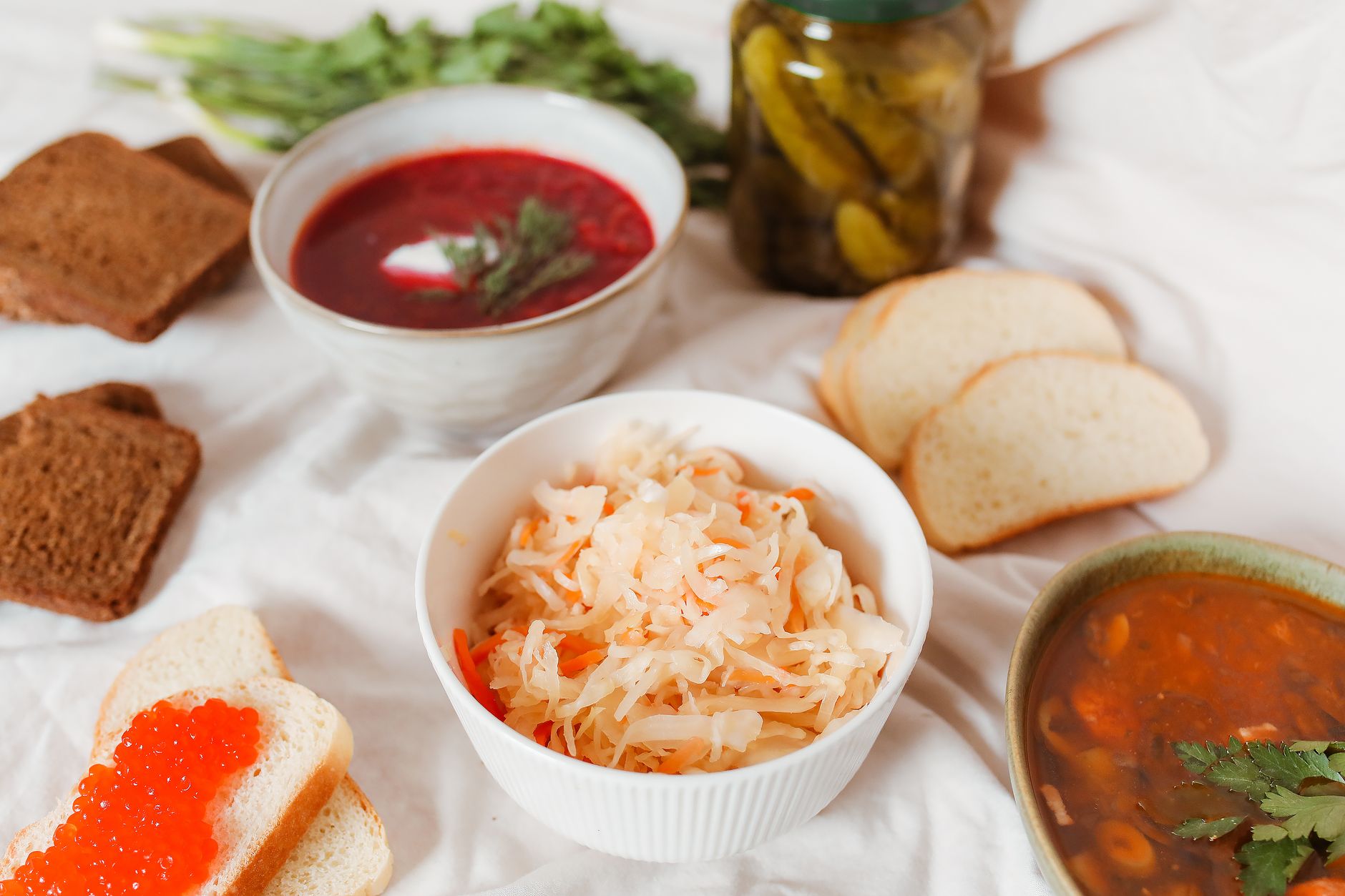
Fermented foods add live microbial cultures that can temporarily boost microbial richness and reduce inflammatory markers. A landmark 2021 clinical trial from Stanford University researchers (published in Cell) found that participants who consumed high amounts of fermented foods — including yogurt, kefir, kimchi, sauerkraut, and kombucha — showed measurable increases in microbial diversity and decreases in 19 inflammatory proteins over just 10 weeks. Adding even one serving of fermented food daily is a practical place to start.
Polyphenol-rich foods — think berries, dark chocolate, green tea, extra virgin olive oil, and red onions — act as fuel for beneficial bacteria while simultaneously suppressing the growth of harmful strains. A 2022 study in Gut Microbes found that a polyphenol-rich diet was associated with significant increases in diversity-promoting species within four weeks.
Omega-3 fatty acids, found in fatty fish, walnuts, and flaxseeds, have been shown to support the production of anti-inflammatory compounds in the gut, helping to keep immune responses balanced rather than overactive.
Habits That Quietly Harm Your Gut Immunity
Diet isn't the only factor. Ultra-processed foods high in emulsifiers and artificial sweeteners have been shown in multiple studies to disrupt the mucus layer of the gut, bringing bacteria into closer contact with immune cells and triggering low-grade inflammation. Excessive alcohol reduces microbial diversity and impairs gut barrier function. Chronic stress raises cortisol, which alters the gut environment and can shift the microbial balance toward pro-inflammatory strains.
A Simple Weekly Strategy
You don't need a perfect diet to move the needle. Try this framework:
- Add, don't subtract first. Introduce one new plant food per week to build variety without overwhelm.
- Include fermented foods daily. A serving of yogurt at breakfast or a side of kimchi at dinner is enough to start.
- Limit ultra-processed foods to less than 20% of your diet. Research suggests this threshold is where gut disruption begins to become significant.
- Eat the rainbow. Different colored plants feed different microbial families — aim for at least five colors across your day.
Your gut microbiome is not fixed. It responds to what you eat within 24–48 hours, which means every meal is a genuine opportunity to strengthen your immune foundation. Start small, stay consistent, and let your plate become your most powerful health tool.
Disclaimer: This article is for informational and educational purposes only and does not constitute medical advice. The information presented is based on publicly available research and general nutritional principles. Always consult a qualified healthcare professional before making changes to your diet, especially if you have an existing medical condition or are taking medications.