Walk down any supplement aisle and you'll see probiotic capsules promising to transform your digestion. But increasingly, researchers are pointing to a quieter player in gut health: prebiotics. Together, these two concepts form the foundation of a well-functioning microbiome — yet most people only have a vague sense of what each one actually does. Let's clear that up.
What Are Probiotics (and What Do They Actually Do)?
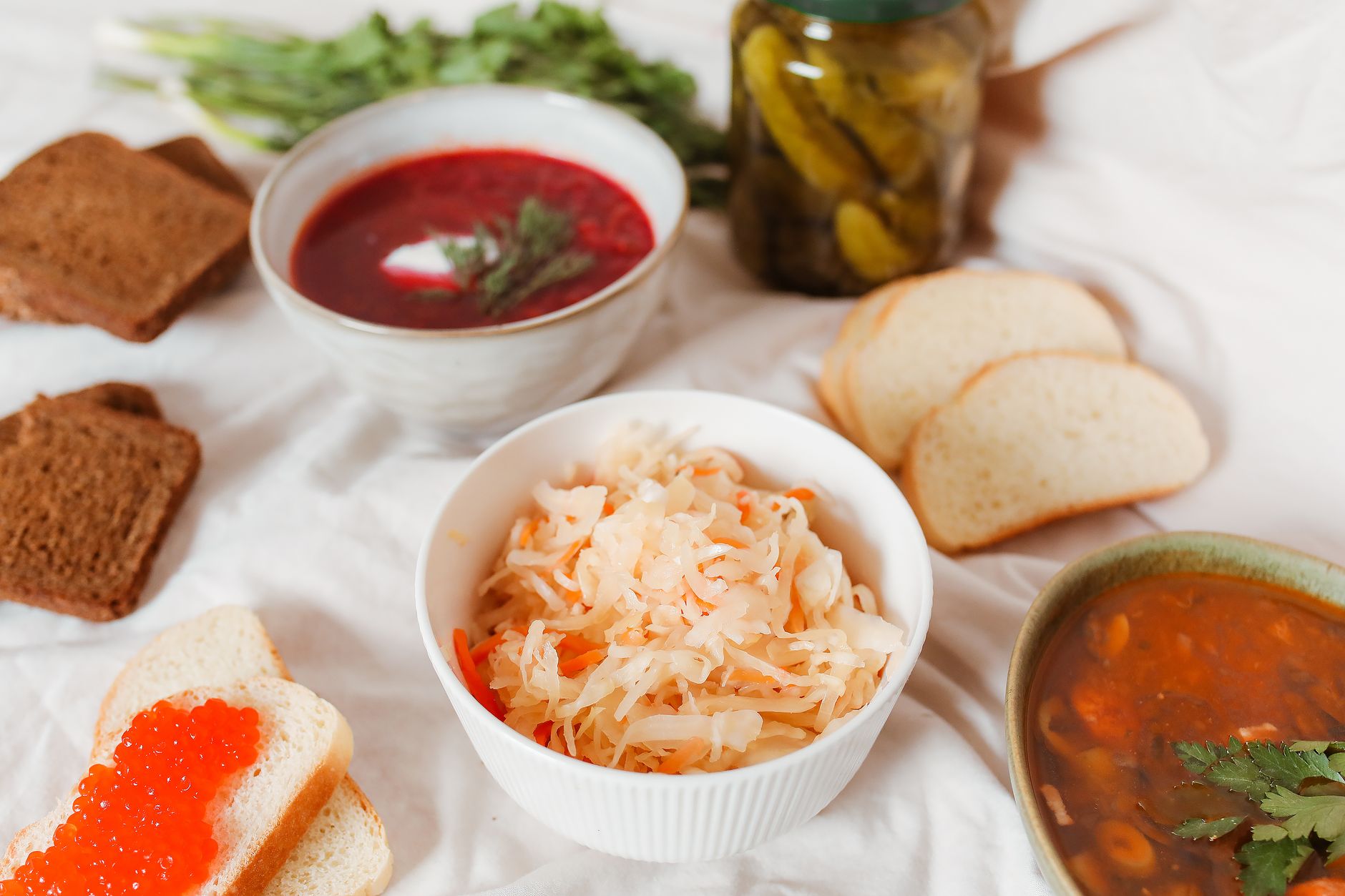
Probiotics are live microorganisms — primarily bacteria and some yeasts — that, when consumed in adequate amounts, confer a health benefit on the host. You'll find them naturally in fermented foods like yogurt, kefir, kimchi, sauerkraut, miso, and tempeh, as well as in supplement form.
These beneficial microbes work by colonizing your gut (at least temporarily), competing with harmful bacteria for space and nutrients, and supporting the integrity of the intestinal lining. A 2022 review published in Cell Host & Microbe confirmed that consistent consumption of fermented foods measurably increases microbial diversity — a marker strongly associated with overall health outcomes, from immune function to metabolic resilience.
The key word, though, is temporary. Most probiotic strains don't permanently take up residence in your gut. They pass through, doing good work along the way, but they need ongoing reinforcement. That's where prebiotics come in.
Recommended Products
As an Amazon Associate, NutriPlan earns from qualifying purchases — at no extra cost to you.
- Bio-Kult Advanced Probiotic (120 capsules) — 14-strain probiotic clinically researched to support gut microbiome health.
- Inulin Prebiotic Powder 500g — Feed your beneficial gut bacteria with this tasteless prebiotic fibre powder.
What Are Prebiotics and Why Do They Matter?
Prebiotics are a specific type of dietary fiber that the human body cannot digest on its own. Instead, they travel intact to the large intestine, where your resident gut bacteria ferment them as fuel. This fermentation process produces short-chain fatty acids (SCFAs) — particularly butyrate, acetate, and propionate — which are critical for gut lining health, immune regulation, and even appetite signaling.
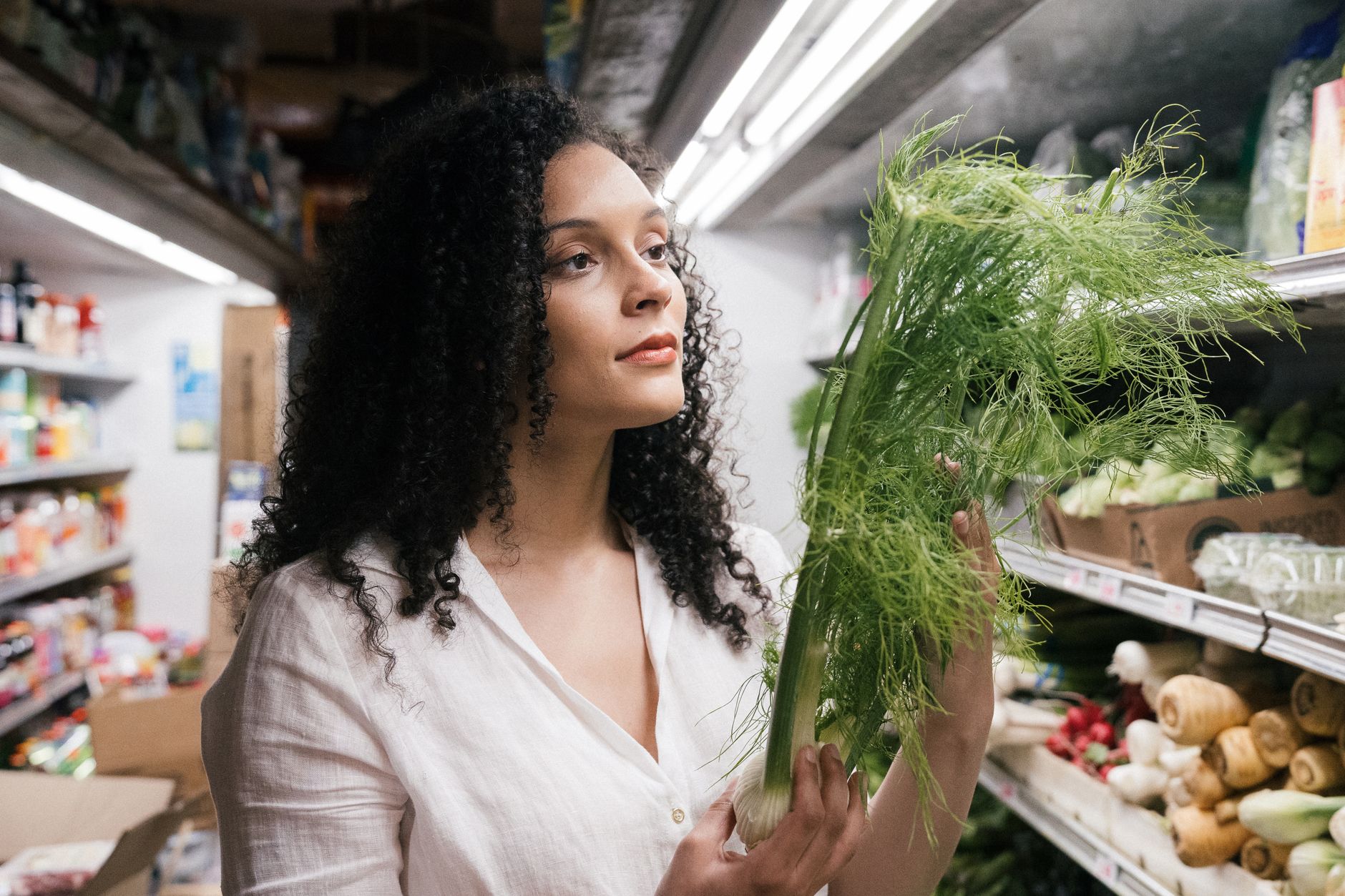
Common prebiotic compounds include inulin, fructooligosaccharides (FOS), galactooligosaccharides (GOS), and resistant starch. You'll find them in everyday foods: garlic, onions, leeks, asparagus, bananas (especially slightly underripe ones), oats, Jerusalem artichokes, chicory root, and legumes.
A 2021 study in Nature Communications found that a diet rich in prebiotic fiber significantly increased populations of beneficial bacteria, including Bifidobacterium and Lactobacillus species, while simultaneously reducing inflammatory markers in the gut. This suggests that feeding your existing microbiome well may be just as — if not more — important than introducing new bacteria through supplementation.
The Synbiotic Advantage: Using Both Together
When prebiotics and probiotics are combined strategically, the result is sometimes called a synbiotic approach — and the research is compelling. The logic is intuitive: you're introducing beneficial bacteria while simultaneously providing the fuel they need to survive and thrive.
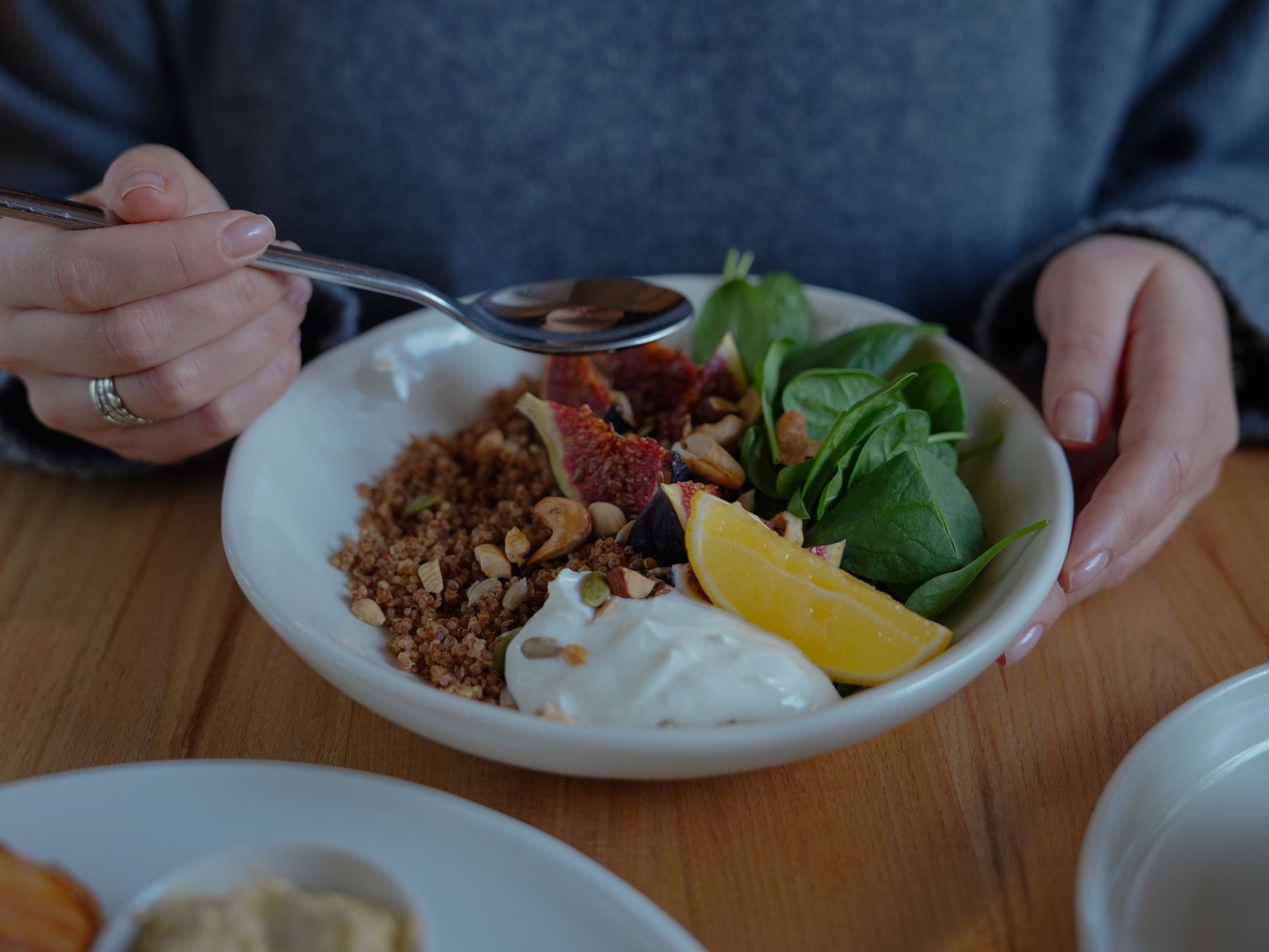
A 2023 randomized controlled trial in the American Journal of Clinical Nutrition found that participants who consumed both probiotic-rich foods and adequate prebiotic fiber showed greater improvements in bowel regularity, reduced bloating, and better stool consistency compared to those who consumed either alone. Practically speaking, this means pairing your morning yogurt with a banana, or adding garlic and onions to a miso-based soup.
Practical Ways to Get More of Both
You don't need an expensive supplement protocol. Here's how to build a prebiotic- and probiotic-rich diet from real food:
For more prebiotics:
- Add a handful of oats to your breakfast
- Use garlic and onions as the flavor base for nearly every savory dish
- Snack on slightly underripe bananas
- Include lentils or chickpeas in at least three meals per week
- Try Jerusalem artichokes or leeks as vegetable sides
For more probiotics:
- Choose plain, live-culture yogurt over flavored varieties (which often contain excess sugar)
- Add a small portion of kimchi or sauerkraut as a condiment rather than a side dish
- Drink kefir as a base for smoothies
- Experiment with miso stirred into soups or dressings after cooking (heat destroys live cultures)
A Word on Supplements
Probiotic supplements can be useful — particularly after antibiotic use, which is known to significantly deplete microbial diversity. However, the supplement industry remains loosely regulated, and strain specificity matters enormously. A 2022 meta-analysis in Gut found that the benefits of probiotic supplementation are highly strain-dependent, meaning a product marketed for bloating relief may do nothing for immune support. If you choose to supplement, look for products with clearly labeled strains and colony-forming unit (CFU) counts backed by clinical research.
The Bottom Line
Your gut microbiome is an ecosystem, and like any ecosystem, it thrives when it's diverse and well-nourished. Probiotics introduce beneficial species; prebiotics keep them — and your existing microbial community — fed and flourishing. The most powerful gut health strategy isn't found in a single supplement. It's built plate by plate, meal by meal, through a varied diet rich in both fermented foods and fiber-dense plants. Start small, stay consistent, and your gut will reward you for it.
Disclaimer: This article is for informational and educational purposes only and does not constitute medical advice. The information presented is based on publicly available research and general nutritional principles. Always consult a qualified healthcare professional before making changes to your diet, especially if you have an existing medical condition or are taking medications.