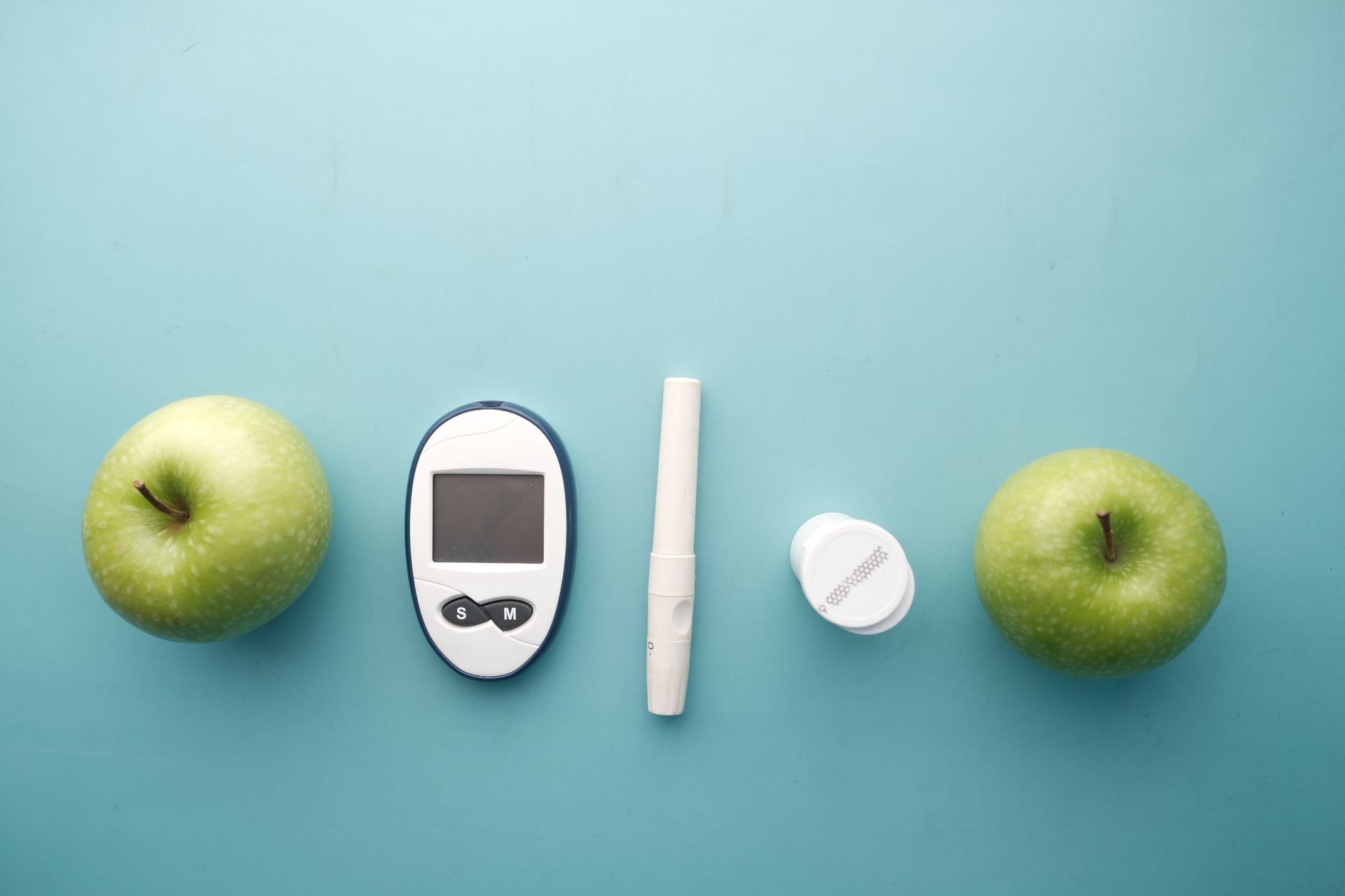
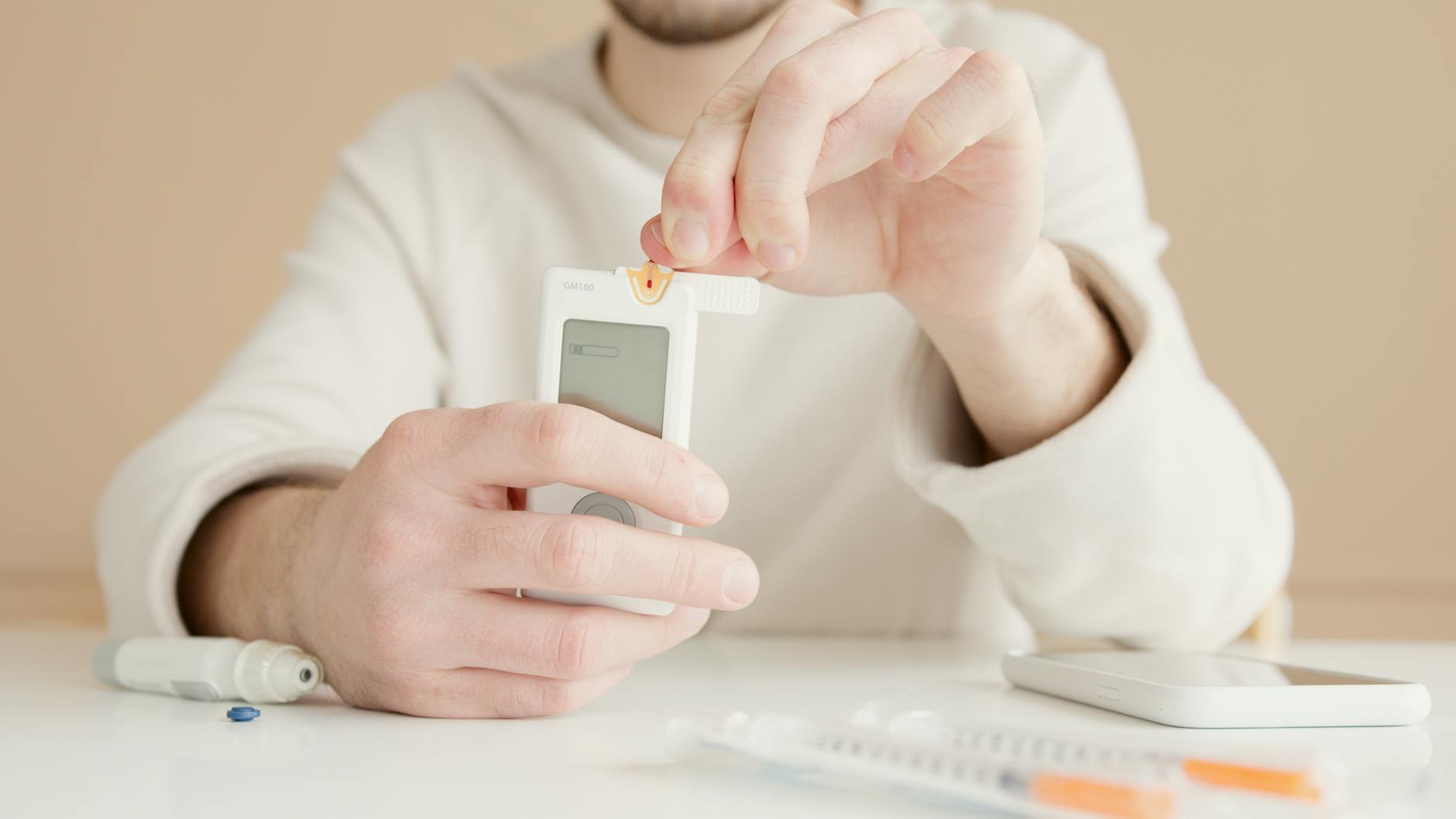
Most conversations about blood sugar management focus on what to eat — which foods to add, which to avoid, and how much of each to put on your plate. But a quieter, equally powerful lever often goes overlooked: how you cook. The methods, temperatures, and sequences you use in the kitchen can transform the same ingredient from a blood-sugar spike into a steady, controlled release of glucose. Here's what the science says — and how to put it to work tonight.
Why Cooking Method Changes Everything
Heat doesn't just make food taste better — it fundamentally alters its structure. Take starch, the primary carbohydrate in grains, legumes, and root vegetables. When starch is cooked at high heat and then cooled, a process called retrogradation occurs: the starch molecules reorganize into a form that is significantly more resistant to digestion. This "resistant starch" acts more like fiber in the body, slowing glucose absorption and blunting post-meal blood sugar spikes.
A 2022 study published in Nutrients confirmed that cooling cooked white rice overnight and reheating it the next day measurably increased its resistant starch content and lowered the glycemic response compared to freshly cooked rice. The same principle applies to pasta, potatoes, and legumes. Cooking a batch at the start of the week and refrigerating it isn't just a meal-prep hack — it's a blood-sugar strategy.
Recommended Products
As an Amazon Associate, NutriPlan earns from qualifying purchases — at no extra cost to you.
- Berberine 500mg (60 capsules) — Evidence-backed supplement shown to support healthy blood sugar metabolism.
- Ceylon Cinnamon 1200mg (120 capsules) — True Ceylon cinnamon — a natural way to support glucose balance.
The Acid Advantage
One of the simplest and most underappreciated tricks in the glycemic kitchen is adding an acid to your meals. Vinegar, lemon juice, and fermented foods like pickles all contain acetic acid, which research suggests slows gastric emptying — meaning food moves more slowly from your stomach into your small intestine, and glucose enters your bloodstream at a gentler rate.
A 2023 review in the European Journal of Clinical Nutrition found that consuming vinegar with or before a starchy meal reduced post-meal glucose responses by up to 20% in study participants. Practical applications are easy: dress your salads with a vinaigrette before the main course, squeeze lemon over roasted vegetables, or add a splash of apple cider vinegar to your marinades. These aren't dramatic changes — but their cumulative effect on daily glucose patterns can be significant.
Rethinking How You Cut and Process Ingredients
Believe it or not, the physical form of a food affects how quickly it raises blood sugar. Finely ground flour digests faster than intact grains. Smooth nut butter spikes glucose more than eating whole nuts. Juiced fruit hits the bloodstream faster than the same fruit eaten whole.
The reason is surface area: the more a food is broken down before it enters your gut, the more quickly digestive enzymes can access and convert its starches and sugars into glucose. Whenever possible, opt for:
- Whole grains over flour-based products
- Whole fruit over juice or puréed fruit
- Chunky or coarsely blended soups over fully smooth versions
- Al dente pasta over soft, fully cooked pasta (less gelatinized starch = lower glycemic response)
Building a Blood-Sugar-Friendly Plate Structure
The order in which you eat the components of your meal is a surprisingly effective tool. A series of studies from Diabetes Care demonstrated that eating vegetables and protein before carbohydrates — rather than all at once or carbs first — resulted in significantly lower post-meal blood glucose and insulin levels. The fiber and protein consumed first appear to create a kind of "buffer" in the gut that slows carbohydrate absorption.
Try structuring your meals like this:
- Start with a salad or non-starchy vegetables (fiber first)
- Follow with your protein (meat, fish, eggs, tofu, legumes)
- Finish with your starch or grain (rice, bread, potatoes)
It sounds almost too simple, but the evidence is compelling — and all it costs you is a change in sequence.
Smart Swaps That Don't Sacrifice Flavor
A few high-impact ingredient substitutions can make your meals dramatically more blood-sugar-friendly without sacrificing enjoyment:
- Cauliflower rice or finely chopped lentils blended into rice dishes reduce the total glycemic load while adding fiber and protein
- Legume-based pasta (chickpea, lentil, edamame) offers roughly double the protein and fiber of regular wheat pasta, with a meaningfully lower glycemic index
- Oat bran or almond flour in baked goods in place of refined white flour slows glucose absorption significantly
- Greek yogurt instead of sour cream or mayonnaise adds protein and reduces sugar content in sauces and dressings
The Bottom Line
Managing blood sugar doesn't require an entirely different diet — sometimes it requires a different approach to the same foods. By cooking and cooling your starches, adding acid to meals, choosing less-processed food forms, eating in a deliberate sequence, and making strategic ingredient swaps, you can meaningfully shift how your body responds to every meal.
The glycemic kitchen isn't about restriction. It's about using science to cook smarter — and feeling better for it, one meal at a time.
Disclaimer: This article is for informational and educational purposes only and does not constitute medical advice. The information presented is based on publicly available research and general nutritional principles. Always consult a qualified healthcare professional before making changes to your diet, especially if you have an existing medical condition or are taking medications.