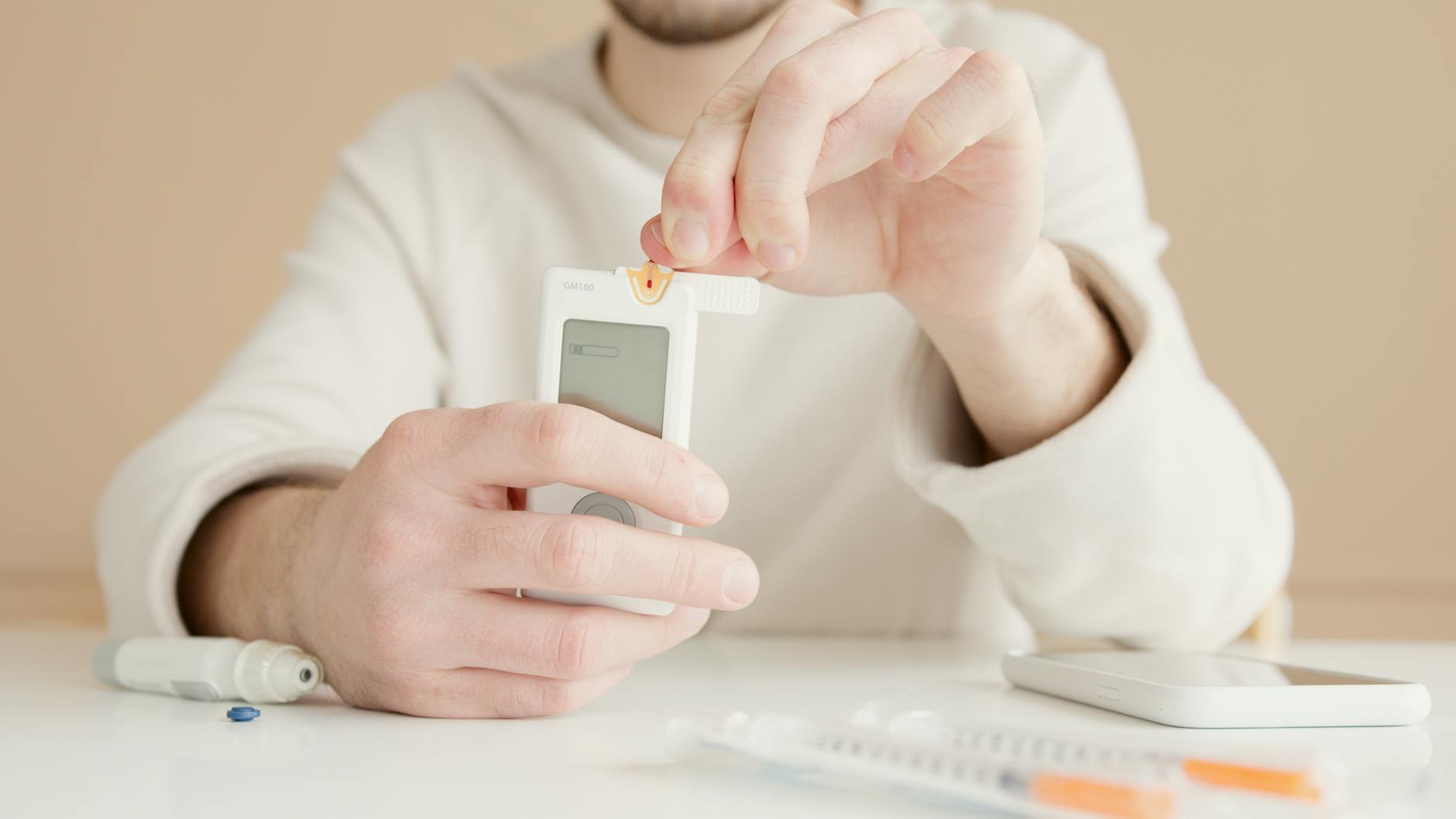
Walk into any pharmacy or health food store and you'll find entire shelves dedicated to blood sugar supplements. The promises are bold: "balance glucose naturally," "support insulin sensitivity," "stabilize energy levels." But which of these products actually deliver — and which are little more than expensive placebo? As interest in metabolic health grows, so does the research. Here's an honest, evidence-based look at the supplements with the most credible science behind them, and how to incorporate them intelligently into your routine.
Why People Turn to Supplements for Blood Sugar Support
Managing blood sugar is about far more than avoiding sugar. It involves how your body produces and responds to insulin, how quickly carbohydrates are digested and absorbed, and how well your cells take up glucose. For people with prediabetes, type 2 diabetes, or simply an interest in metabolic wellness, lifestyle interventions — diet, exercise, sleep, and stress management — remain the gold standard. But certain supplements can provide meaningful support alongside those habits. The key word is alongside.
Recommended Products
As an Amazon Associate, NutriPlan earns from qualifying purchases — at no extra cost to you.
- Berberine 500mg (60 capsules) — Evidence-backed supplement shown to support healthy blood sugar metabolism.
- Ceylon Cinnamon 1200mg (120 capsules) — True Ceylon cinnamon — a natural way to support glucose balance.
Berberine: The Most Studied Contender
Berberine, a compound found in plants like barberry and goldenseal, has generated significant scientific interest. A meta-analysis published in Metabolism found that berberine supplementation meaningfully reduced fasting blood glucose, HbA1c (a long-term marker of blood sugar control), and post-meal glucose spikes in people with type 2 diabetes. Its mechanism appears to involve activating an enzyme called AMPK, which plays a central role in regulating cellular energy and glucose uptake — similar in some respects to the action of certain diabetes medications. Typical research doses range from 500 mg taken two to three times daily, ideally with meals. It's worth noting that berberine can interact with several medications, so always consult your healthcare provider before starting it.
Cinnamon: Popular, Promising, but Nuanced
Cinnamon is perhaps the most talked-about blood sugar supplement in mainstream wellness circles. The evidence is real, but more modest than the hype suggests. A 2019 review in the Journal of the Academy of Nutrition and Dietetics found that cinnamon supplementation produced small but statistically significant reductions in fasting blood glucose. The proposed mechanism involves compounds in cinnamon that may enhance insulin signaling in cells. Ceylon cinnamon (sometimes called "true cinnamon") is generally preferred over Cassia cinnamon because Cassia contains higher levels of coumarin, a compound that can stress the liver in large amounts. Doses used in research typically range from 1 to 3 grams daily — roughly half to one teaspoon.
Chromium: An Essential Trace Mineral with Real Data
Chromium is a trace mineral that plays a supporting role in insulin action. Several controlled trials have found that chromium supplementation — particularly in the form of chromium picolinate — can improve insulin sensitivity and modestly lower fasting glucose, especially in individuals who are already deficient. A review in Diabetes Technology & Therapeutics noted that the benefits appear most pronounced in people with poor blood sugar control at baseline. Most adults get some chromium through food (broccoli, whole grains, and meat are good sources), but marginal deficiency is not uncommon, particularly in older adults and those eating highly processed diets.
Alpha-Lipoic Acid: Antioxidant with Glucose-Lowering Potential
Alpha-lipoic acid (ALA) is a powerful antioxidant produced naturally in the body and found in small amounts in foods like spinach and organ meats. Research published in Free Radical Biology and Medicine and other journals has found that ALA supplementation can improve insulin-stimulated glucose uptake and reduce markers of oxidative stress — a key driver of insulin resistance. ALA is particularly well-studied in the context of diabetic neuropathy, where it has shown meaningful benefits for nerve-related symptoms. Standard doses in research range from 300 to 600 mg daily.
Magnesium: Foundational Support You Might Already Be Missing
Magnesium deserves a mention in any blood sugar conversation. It's involved in over 300 enzymatic reactions in the body, including those that govern insulin secretion and glucose metabolism. Research in Diabetes Care found that higher magnesium intake is associated with a significantly lower risk of developing type 2 diabetes, and that magnesium supplementation improves insulin sensitivity in deficient individuals. Since magnesium deficiency is widespread, correcting it through food (leafy greens, seeds, legumes) or supplementation is often one of the most practical first steps someone can take.
How to Use Supplements Wisely
A few ground rules worth following:
- Supplements support, they don't replace. No supplement compensates for a poor diet or sedentary lifestyle. Think of them as fine-tuning tools, not fixes.
- Quality matters enormously. Look for products that have undergone third-party testing (NSF, USP, or Informed Sport certifications are good signals).
- Timing and dosage count. Many blood sugar supplements work best when taken with meals to blunt post-meal glucose rises.
- Drug interactions are a real concern. Berberine, in particular, can amplify the effects of blood-sugar-lowering medications, raising the risk of hypoglycemia. Always loop in your doctor or pharmacist.
- Give it time. Most supplements require consistent use over 8 to 12 weeks before meaningful effects appear in markers like HbA1c.
The Bottom Line
The supplement landscape for blood sugar is noisy, but the science does support a handful of well-studied options. Berberine, cinnamon, chromium, alpha-lipoic acid, and magnesium all have credible evidence behind them — none are magic bullets, but used thoughtfully alongside a blood-sugar-friendly diet and active lifestyle, they can be genuinely useful tools. As always, the most powerful intervention starts on your plate and in your daily habits. Supplements are there to help fill in the gaps.
Disclaimer: This article is for informational and educational purposes only and does not constitute medical advice. The information presented is based on publicly available research and general nutritional principles. Always consult a qualified healthcare professional before making changes to your diet, especially if you have an existing medical condition or are taking medications.

