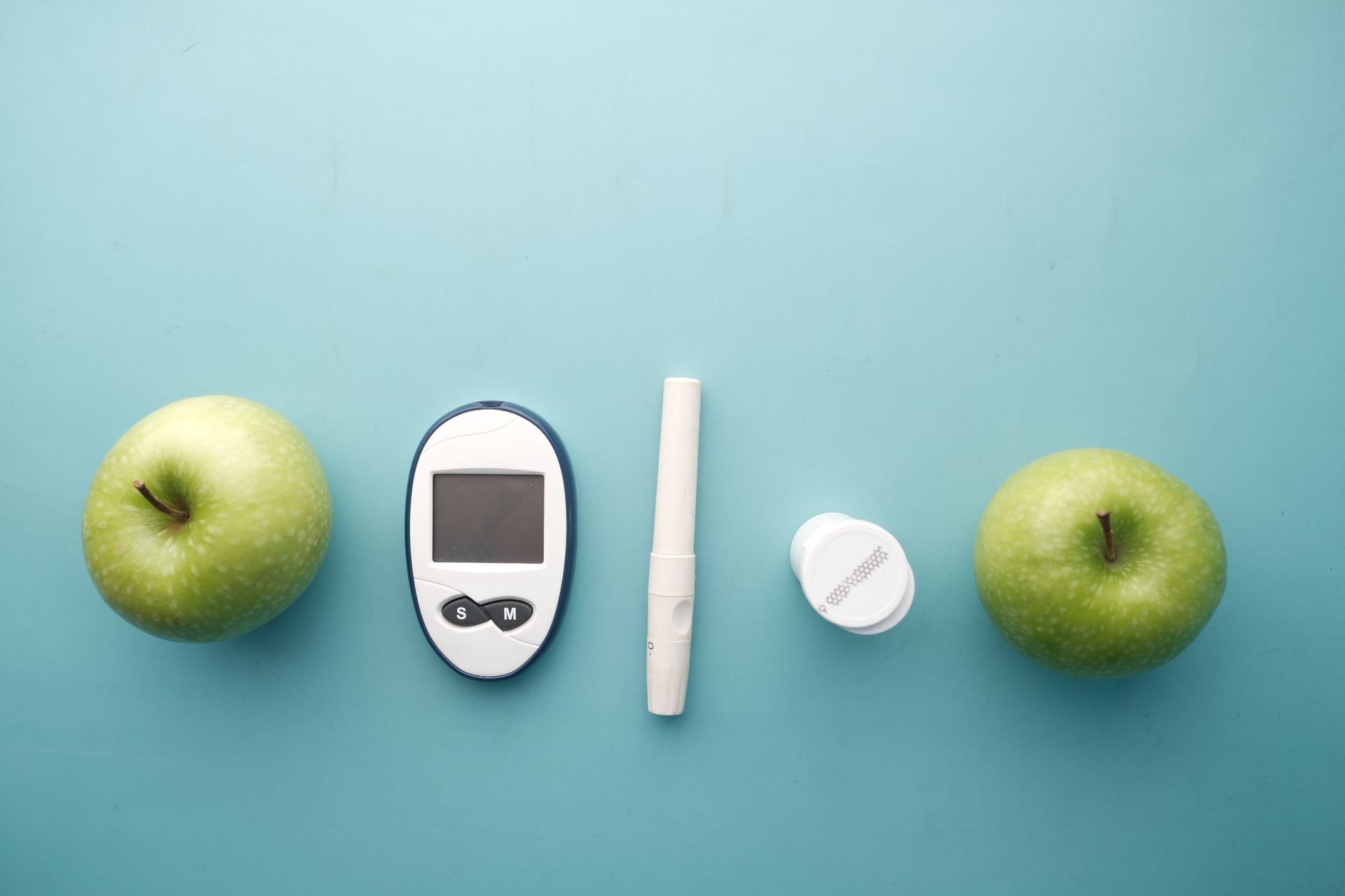
Insulin resistance is one of the most common — and most overlooked — metabolic conditions of our time. Estimates suggest that as many as one in three adults in the United States has some degree of insulin resistance, yet most have no idea. It quietly raises the risk of type 2 diabetes, heart disease, fatty liver, and hormonal imbalance. The good news? What you eat is one of the most powerful levers you have to reverse it.
What Is Insulin Resistance, Exactly?
Insulin is a hormone produced by the pancreas that acts like a key, unlocking cells so they can absorb glucose from the bloodstream for energy. When cells become resistant to insulin's signal, the pancreas compensates by pumping out more and more insulin. Blood sugar may remain "normal" for years while insulin levels quietly climb — until eventually the system can no longer keep up.
This metabolic tug-of-war is driven by several factors: excess body fat (particularly around the abdomen), physical inactivity, chronic stress, poor sleep, and — critically — diet. Understanding the dietary contributors is the first step to reversing the condition.
Recommended Products
As an Amazon Associate, NutriPlan earns from qualifying purchases — at no extra cost to you.
- Berberine 500mg (60 capsules) — Evidence-backed supplement shown to support healthy blood sugar metabolism.
- Ceylon Cinnamon 1200mg (120 capsules) — True Ceylon cinnamon — a natural way to support glucose balance.
The Foods That Drive Insulin Resistance
Not all carbohydrates are created equal, and the research is clear on which foods push insulin resistance forward. Ultra-processed foods — think packaged snacks, sweetened cereals, fast food, and sugar-sweetened beverages — are the primary dietary culprits. A large 2022 meta-analysis published in Diabetologia found that high consumption of ultra-processed foods was independently associated with a significantly elevated risk of type 2 diabetes, even after adjusting for overall calorie intake.
Refined carbohydrates (white bread, white rice, pastries) and added sugars spike blood glucose rapidly, triggering large insulin responses. Over time, this constant demand desensitizes cells to insulin's signal. Saturated fats from processed meats and fried foods have also been shown to impair insulin signaling at the cellular level by interfering with receptor function.
The Dietary Framework That Fights Back
Research consistently points to a few core dietary patterns that improve insulin sensitivity significantly.
Prioritize fiber — especially soluble fiber. Soluble fiber slows glucose absorption, blunts post-meal blood sugar spikes, and feeds beneficial gut bacteria that produce short-chain fatty acids linked to improved insulin signaling. A 2021 study in The American Journal of Clinical Nutrition found that increasing dietary fiber intake by just 15 grams per day was associated with meaningful improvements in insulin sensitivity in adults with prediabetes. Load up on oats, legumes, apples, flaxseeds, and Brussels sprouts.
Embrace healthy fats. Monounsaturated and omega-3 polyunsaturated fats — found in olive oil, avocados, nuts, seeds, and fatty fish — actively improve insulin receptor function. The Mediterranean dietary pattern, which is rich in these fats, has been shown in multiple randomized controlled trials to reduce insulin resistance markers more effectively than low-fat diets.
Choose lean, high-quality protein at every meal. Protein has a minimal impact on blood glucose and promotes satiety, helping to prevent the overeating that compounds metabolic stress. Research published in Nutrition & Metabolism in 2023 demonstrated that distributing protein intake evenly across meals — rather than concentrating it at dinner — was associated with better glycemic control and lower fasting insulin levels.
Go low on the glycemic load. Foods with a low glycemic load — legumes, non-starchy vegetables, whole grains, and most fruits — release glucose gradually, keeping insulin responses measured and steady.
Strategic Eating Habits That Amplify Results
Beyond food choices, how you eat matters enormously for insulin sensitivity.
- Don't skip breakfast. Eating a balanced morning meal — particularly one rich in protein and fiber — has been shown to improve insulin sensitivity for the remainder of the day by setting a favorable hormonal tone early.
- Shrink your eating window gradually. Even modest time-restricted eating (for example, keeping meals within a 10–12 hour window) has shown benefits for fasting insulin in observational and clinical research.
- Eat vegetables first. A compelling 2023 study in Diabetes Care confirmed that consuming vegetables and protein before starchy foods at the same meal significantly reduced post-meal glucose and insulin spikes — a simple, zero-cost intervention.
- Limit alcohol. Alcohol impairs the liver's ability to regulate glucose output and interferes with insulin signaling, even in moderate amounts over time.
Building Your Insulin-Sensitive Plate
A practical template for each meal: fill half your plate with non-starchy vegetables (spinach, broccoli, peppers, zucchini), one quarter with a quality protein source (eggs, legumes, fish, chicken), and one quarter with a low-glycemic carbohydrate (lentils, sweet potato, quinoa, brown rice). Add a drizzle of olive oil or a small handful of nuts for healthy fat, and finish with a piece of whole fruit if you want something sweet.
This isn't a rigid rulebook — it's a flexible, sustainable framework that works with your biology, not against it.
The Bottom Line
Insulin resistance is not a life sentence. The dietary changes outlined here — reducing ultra-processed foods, prioritizing fiber and healthy fats, eating balanced protein throughout the day, and adopting smarter meal habits — are backed by substantial evidence and can produce measurable improvements in insulin sensitivity within weeks. Small, consistent shifts compound powerfully over time. Start with one change today, and let the science do the rest.
Disclaimer: This article is for informational and educational purposes only and does not constitute medical advice. The information presented is based on publicly available research and general nutritional principles. Always consult a qualified healthcare professional before making changes to your diet, especially if you have an existing medical condition or are taking medications.

