When people talk about essential minerals, magnesium and calcium tend to steal the spotlight. Potassium, meanwhile, quietly goes about one of the most important jobs in your body — and most of us aren't getting nearly enough of it. According to data from the World Health Organization, the vast majority of adults worldwide consume less than the recommended daily intake of potassium, a gap that has real consequences for long-term health.
Let's change that. Here's a science-backed look at what potassium actually does, why deficiency is so common, and how to close the gap starting today.
What Potassium Actually Does in Your Body
Potassium is an electrolyte, meaning it carries an electrical charge when dissolved in fluid. That charge is what makes it so critical for so many body processes. Every time your heart beats, a nerve fires, or a muscle contracts, potassium is involved. It works in a delicate partnership with sodium to maintain fluid balance inside and outside your cells — a system called the sodium-potassium pump that is fundamental to virtually all cellular activity.
Beyond that foundational role, potassium plays a starring part in:
- Blood pressure regulation: Higher potassium intake helps the kidneys excrete excess sodium, which in turn relaxes blood vessel walls and lowers blood pressure. A 2020 meta-analysis published in the Journal of the American Heart Association found that increased dietary potassium was significantly associated with reduced systolic and diastolic blood pressure, particularly in people with hypertension.
- Heart rhythm stability: The heart muscle is exquisitely sensitive to potassium levels. Even modest shortfalls can contribute to irregular heartbeats (arrhythmias), which is why potassium is closely monitored in clinical cardiac care.
- Muscle function and recovery: Potassium is essential for muscle contraction and relaxation. Low levels are one of the most common causes of muscle cramps, weakness, and fatigue — including the notorious post-exercise cramp.
- Bone health: Research published in Osteoporosis International suggests that dietary potassium may help neutralize acids in the body that would otherwise leach calcium from bones, potentially supporting bone mineral density over time.
- Kidney stone prevention: Higher potassium intake has been associated with a lower risk of kidney stones, likely because it reduces urinary calcium excretion.
Recommended Products
As an Amazon Associate, NutriPlan earns from qualifying purchases — at no extra cost to you.
- Magnesium Glycinate 400mg (120 capsules) — Highly bioavailable magnesium to support sleep, stress and muscle recovery.
- Hydration Electrolyte Tablets (40 tablets) — Zero sugar electrolytes to keep you hydrated throughout the day.
Why So Many of Us Fall Short
The adequate intake for potassium in adults is approximately 2,600–3,400 mg per day, depending on age and sex. Most people consume closer to 2,000 mg — a meaningful gap. The reasons are largely dietary. Potassium is concentrated in whole, minimally processed foods — fruits, vegetables, legumes, and dairy — while ultra-processed foods, which now make up a large share of calories in many modern diets, are notoriously low in the mineral.
A high-sodium diet also compounds the problem. Sodium and potassium compete for absorption and renal handling, meaning the more sodium you eat, the more potassium you tend to lose. For most people following a Western dietary pattern, both sides of this equation are working against them simultaneously.
The Best Food Sources of Potassium
The good news: potassium is abundant in delicious, everyday foods. You don't need a supplement strategy — you need a shopping list upgrade. Here are some of the richest sources:
- White beans and lentils: A single cup of cooked white beans delivers over 1,000 mg of potassium — one of the highest concentrations in any food.
- Baked potato (with skin): Around 900 mg per medium potato. Keep the skin on to preserve most of the mineral content.
- Avocado: Half an avocado provides roughly 480 mg, along with heart-healthy monounsaturated fats.
- Spinach and Swiss chard: A cooked cup of either delivers 800–900 mg, making leafy greens a potassium powerhouse.
- Salmon and tuna: A 3-ounce serving of salmon provides around 400–500 mg, making it a great option for those who don't eat a lot of plant foods.
- Bananas: While not the richest source (about 422 mg per medium banana), they're convenient, affordable, and widely available.
- Yogurt: Plain, low-fat yogurt offers around 380–500 mg per cup, plus protein and probiotics.
Practical Tips to Boost Your Potassium Intake
- Build meals around legumes. Swap out refined grain side dishes a few times a week for lentil soup, bean salads, or chickpea stews.
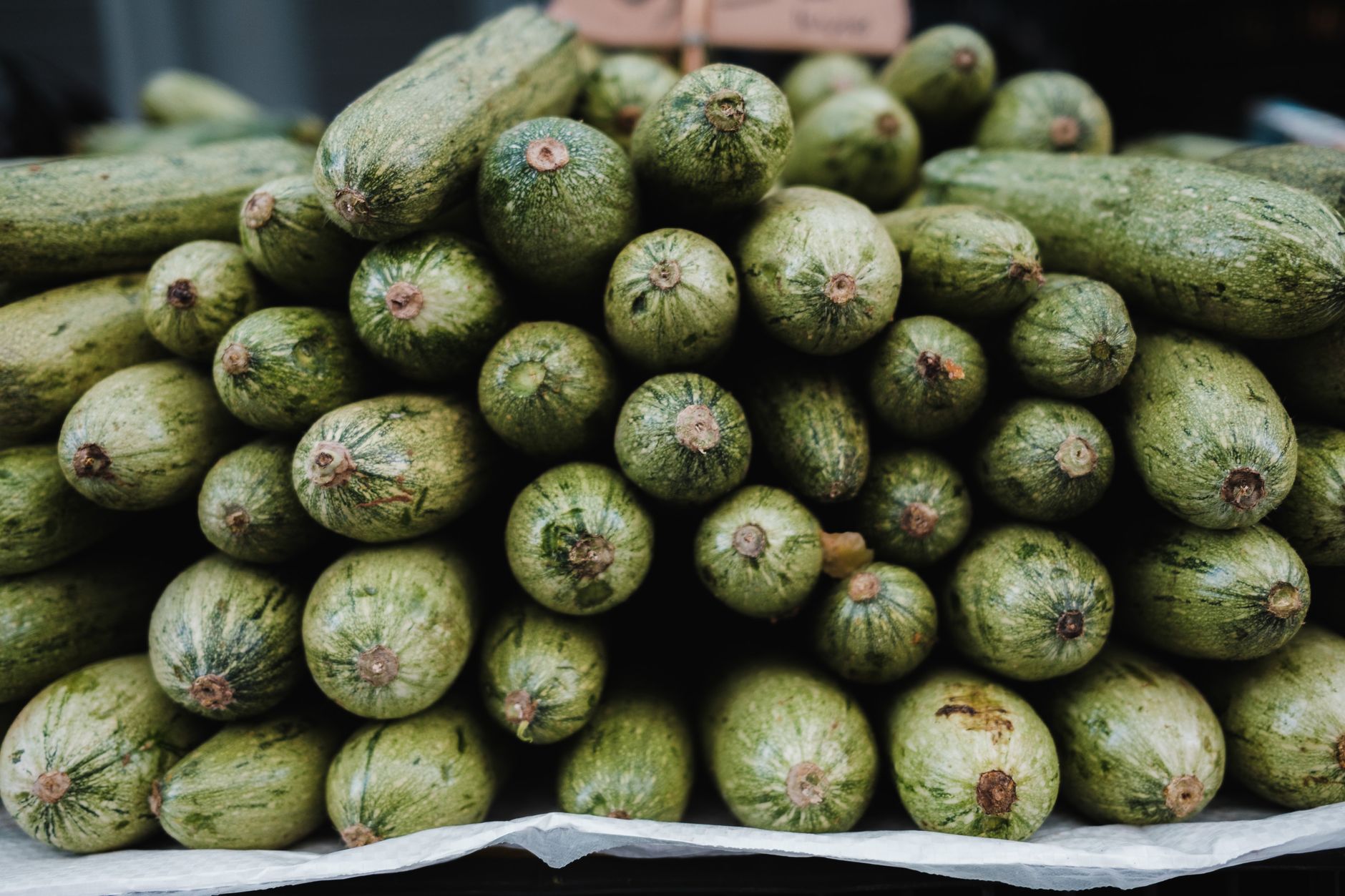
- Don't peel your vegetables. Many of the potassium-rich nutrients in potatoes, zucchini, and cucumbers sit just under the skin.
- Add a handful of leafy greens to everything. Smoothies, scrambled eggs, pasta sauces — cooked greens shrink significantly in volume, making it easy to consume large amounts.
- Choose whole fruit over juice. A whole orange contains more potassium than a glass of orange juice and also delivers fiber that slows sugar absorption.
- Watch your sodium. Reducing processed food intake lowers sodium and typically increases potassium simultaneously — a powerful double benefit for cardiovascular health.
A Word on Supplements
While potassium supplements exist, most are limited to 99 mg per tablet by regulatory guidelines due to the risk of hyperkalemia (dangerously high potassium levels) in people with kidney disease or those taking certain medications. For most healthy adults, food is both the safest and most effective way to meet potassium needs. If you have a kidney condition or are on medications that affect potassium levels, always consult your healthcare provider before making major dietary changes.
The Bottom Line
Potassium may not get the headlines it deserves, but the evidence is clear: this mineral is a cornerstone of cardiovascular health, muscular function, and metabolic balance. The gap between how much most people consume and how much they actually need is wide — but it's entirely closeable with smart, consistent food choices. Start by crowding more legumes, leafy greens, and whole fruits onto your plate, and your heart (quite literally) will thank you.
Disclaimer: This article is for informational and educational purposes only and does not constitute medical advice. The information presented is based on publicly available research and general nutritional principles. Always consult a qualified healthcare professional before making changes to your diet, especially if you have an existing medical condition or are taking medications.