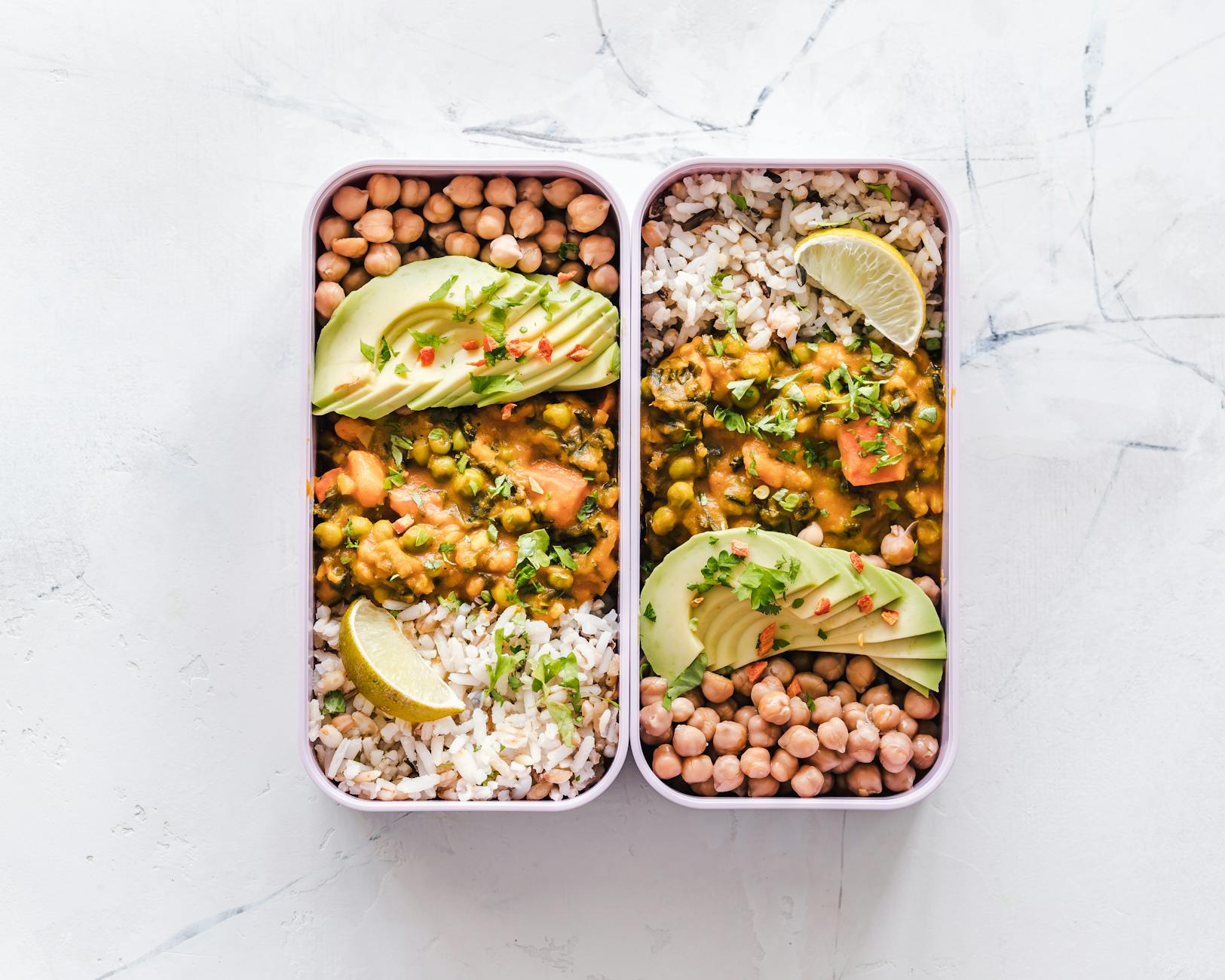
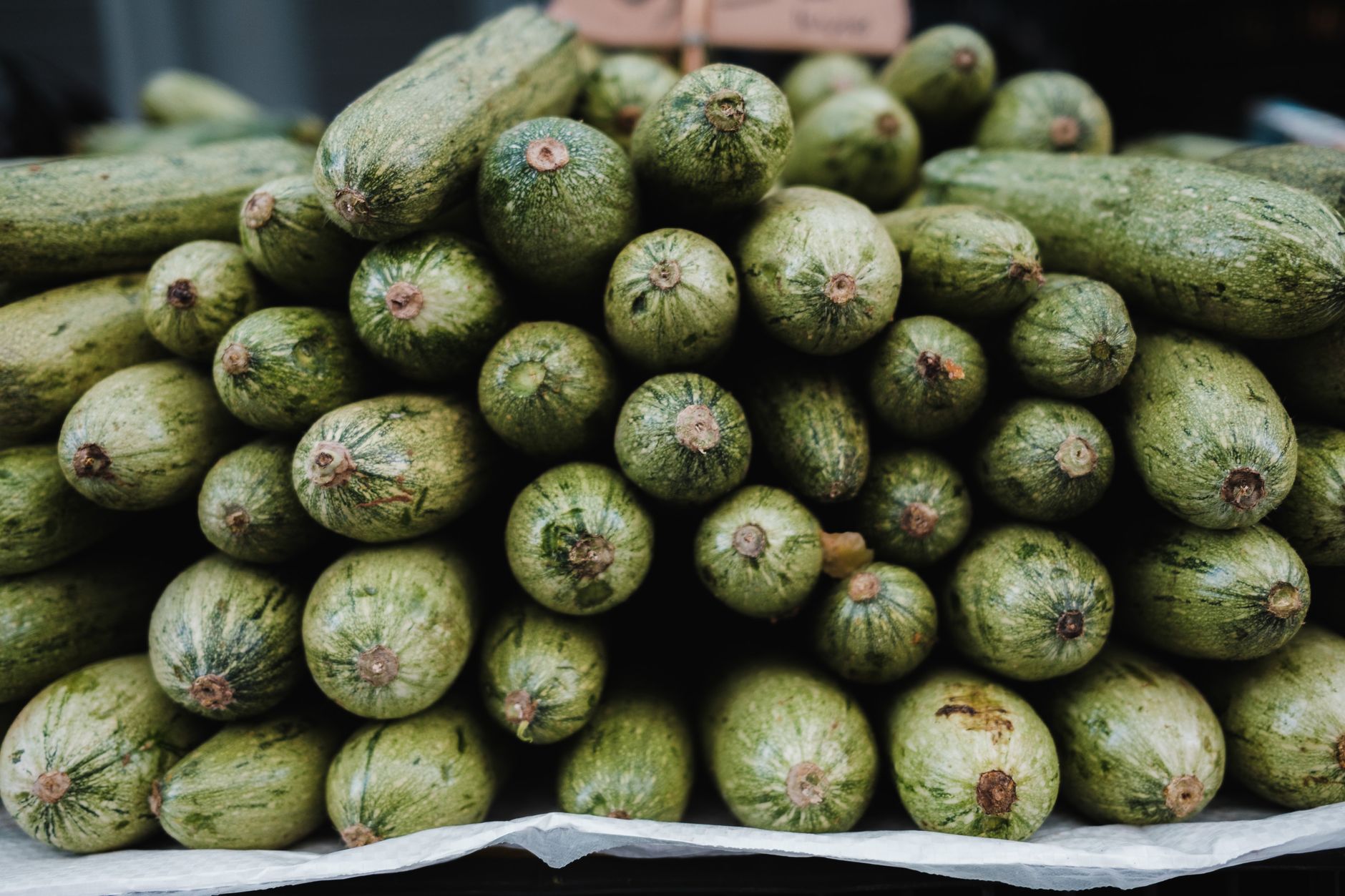
What if the single most powerful lever for a longer, healthier life was sitting right on your dinner plate? Decades of epidemiological research, clinical trials, and population studies suggest that diet plays a profound role in how we age โ not just in terms of lifespan, but healthspan: the number of years we live in good health, free from chronic disease.
This isn't about eating perfectly or following a restrictive plan. It's about understanding which foods and patterns consistently show up in the science as protective โ and making more of them a daily habit.
What the Blue Zones Teach Us About Diet and Long Life
Some of the most compelling evidence for diet and longevity comes from the study of populations with unusually high concentrations of centenarians โ people living to 100 and beyond. These regions, often called "Blue Zones," span places like Sardinia, Okinawa, and the Nicoya Peninsula of Costa Rica.
While their specific diets differ, researchers have identified striking commonalities: heavy reliance on whole plant foods, minimal ultra-processed food consumption, moderate protein intake (often from legumes and fish), and low but not zero consumption of meat. A comprehensive analysis published in PLOS Medicine found that shifting toward this kind of dietary pattern in midlife could add more than a decade of life expectancy.
Recommended Products
As an Amazon Associate, NutriPlan earns from qualifying purchases โ at no extra cost to you.
- Magnesium Glycinate 400mg (120 capsules) โ Highly bioavailable magnesium to support sleep, stress and muscle recovery.
- Hydration Electrolyte Tablets (40 tablets) โ Zero sugar electrolytes to keep you hydrated throughout the day.
The Longevity Power of Plants
Plant foods are consistently at the center of every pro-longevity diet, and the research is compelling. A large 2022 meta-analysis in PLOS ONE found that higher intake of whole grains, legumes, nuts, fruits, and vegetables was associated with significantly reduced all-cause mortality.
Here's why plants are so protective:
- Fiber feeds beneficial gut bacteria, reduces inflammation, and lowers LDL cholesterol โ all factors tied to cardiovascular longevity.
- Polyphenols act as antioxidants that neutralize oxidative stress, a key driver of cellular aging.
- Phytonutrients like sulforaphane (found in cruciferous vegetables) and quercetin (in onions and apples) have been shown in laboratory research to activate cellular repair pathways linked to slower aging.
Aim to fill at least half your plate with colorful vegetables and fruits at every meal, and rotate varieties regularly to diversify your phytonutrient intake.
Legumes: The Longevity Superfood You're Underrating
If there's one food group that shows up repeatedly in longevity research, it's legumes โ beans, lentils, chickpeas, and peas. A landmark study published in the Asia Pacific Journal of Clinical Nutrition found that legume consumption was the single most consistent dietary predictor of survival across multiple aging populations studied.
Legumes provide a remarkable combination of plant protein, soluble fiber, resistant starch, B vitamins, and minerals like magnesium and potassium. They're also extraordinarily affordable. Try swapping meat for beans two to three times per week, or adding a handful of lentils to soups and stews to boost their nutritional density.
Healthy Fats and the Aging Heart
Not all fats age you equally. Monounsaturated fats โ found in olive oil, avocados, and nuts โ have been consistently linked to cardiovascular protection and reduced inflammation. A 2020 review in Nutrients found that high olive oil consumption was inversely associated with cardiovascular disease mortality, a finding strongly echoed by Mediterranean diet research.
Meanwhile, omega-3 fatty acids from fatty fish like salmon, sardines, and mackerel support brain health, reduce triglycerides, and may help preserve telomere length โ a biological marker of cellular aging. Aim for at least two servings of oily fish per week, and use extra-virgin olive oil as your primary cooking fat.
Protein Quality Matters More as You Age
After age 50, muscle loss (sarcopenia) becomes a significant threat to independence and longevity. Research published in the American Journal of Clinical Nutrition found that higher protein intake โ particularly from diverse sources including both animal and plant proteins โ was associated with slower muscle loss and better functional outcomes in older adults.
The key isn't necessarily eating more protein, but distributing it evenly across meals and prioritizing high-quality sources: eggs, fish, legumes, Greek yogurt, and tofu. Pairing adequate protein with resistance exercise creates a powerful anti-aging combination.
The Habit That Ties It All Together: Moderation
Perhaps the most consistent finding across longevity research is that chronic overeating โ regardless of food quality โ accelerates aging. Caloric restriction studies in animals have reliably extended lifespan, and human observational data tells a similar story. The Okinawan concept of hara hachi bu โ eating until you are about 80% full โ is a practical philosophy supported by modern satiety science.
Slowing down, eating without distraction, and stopping before you feel stuffed aren't just mindful eating platitudes. They're habits that reduce metabolic stress on your body over decades.
Practical Steps to Start Eating for Longevity Today
You don't need to overhaul your entire diet overnight. Start with these evidence-based shifts:
- Add one serving of legumes daily โ toss chickpeas into salads, stir lentils into sauces, or blend white beans into soups.
- Switch to extra-virgin olive oil as your primary fat for cooking and dressing.
- Eat two portions of oily fish per week for omega-3s and lean protein.
- Fill half your plate with vegetables at lunch and dinner, rotating colors and types throughout the week.
- Reduce ultra-processed foods gradually โ these are consistently the strongest dietary predictors of early mortality in large cohort studies.
- Practice portion awareness by eating slowly and pausing mid-meal to check in with your hunger.
Longevity isn't a destination you arrive at โ it's a direction you move in, one meal at a time. The science is clear: the foods you choose consistently, over years and decades, are among the most powerful tools you have for a longer, more energetic, and more fulfilling life.
Disclaimer: This article is for informational and educational purposes only and does not constitute medical advice. The information presented is based on publicly available research and general nutritional principles. Always consult a qualified healthcare professional before making changes to your diet, especially if you have an existing medical condition or are taking medications.