If you've ever experienced that mid-afternoon energy crash, the brain fog after lunch, or the relentless cravings that derail your best intentions by 3 p.m., your blood sugar is likely talking to you. The good news? One of the most effective tools for managing glucose levels isn't a supplement or a special device — it's a Sunday afternoon in your kitchen.
Meal prepping for blood sugar balance combines the efficiency of batch cooking with the science of smart food pairing, so your body gets a steady, manageable supply of glucose throughout the day instead of a rollercoaster of spikes and crashes. Here's how to make it work for you.
Why Blood Sugar Stability Matters (Even If You're Not Diabetic)
Most people think of blood sugar management as a concern only for those with diabetes or prediabetes. But research paints a broader picture. A 2022 study published in Cell Metabolism found that even in healthy adults, frequent glucose spikes were associated with increased fatigue, impaired cognitive performance, and greater feelings of hunger within hours of eating.
Stable blood sugar means consistent energy, better focus, reduced cravings, and improved mood — benefits that apply to virtually everyone. And because what you eat is the single most direct lever you can pull on glucose control, planning and preparing your food in advance is a game-changer.
Recommended Products
As an Amazon Associate, NutriPlan earns from qualifying purchases — at no extra cost to you.
- NutriBullet Pro 900W Blender — Powerful personal blender — perfect for smoothies and nutrient-dense bowls.
- Digital Kitchen Food Scale — Accurate macro tracking starts with precise ingredient measurement.
The Four Pillars of Blood Sugar–Friendly Meal Prep
Before you start chopping vegetables, it helps to understand the nutritional framework behind glucose-stable eating:
-
Fiber first. Dietary fiber slows the absorption of glucose into the bloodstream, blunting post-meal spikes. Aim to anchor every prepped meal around a generous source of fiber — think legumes, leafy greens, cruciferous vegetables, or whole grains like farro and barley.
-
Protein at every meal. Protein stimulates the release of glucagon-like peptide-1 (GLP-1), a hormone that slows gastric emptying and helps prevent rapid glucose surges. A 2021 review in Nutrients confirmed that including at least 25–30g of protein per meal significantly improves post-meal glucose responses.
-
Healthy fats as a buffer. Pairing carbohydrates with unsaturated fats — from avocado, olive oil, nuts, or seeds — further slows digestion and helps reduce the glycemic impact of a meal.
-
Strategic carbohydrate choices. Not all carbs are created equal. Opt for low-glycemic, minimally processed carbohydrates such as sweet potatoes, lentils, quinoa, and oats, which release glucose gradually rather than all at once.
A Sample Blood Sugar–Balanced Prep Session
Here's a practical one-session prep plan you can complete in under two hours:
Proteins: Bake a tray of herb-seasoned chicken thighs and hard-boil a dozen eggs. Alternatively, cook a large pot of lentils or chickpeas from scratch — both are rich in protein and fiber.
Complex carbs: Roast a sheet pan of diced sweet potatoes with olive oil and cumin. Cook a batch of farro or barley, which have lower glycemic indices than white rice or pasta.
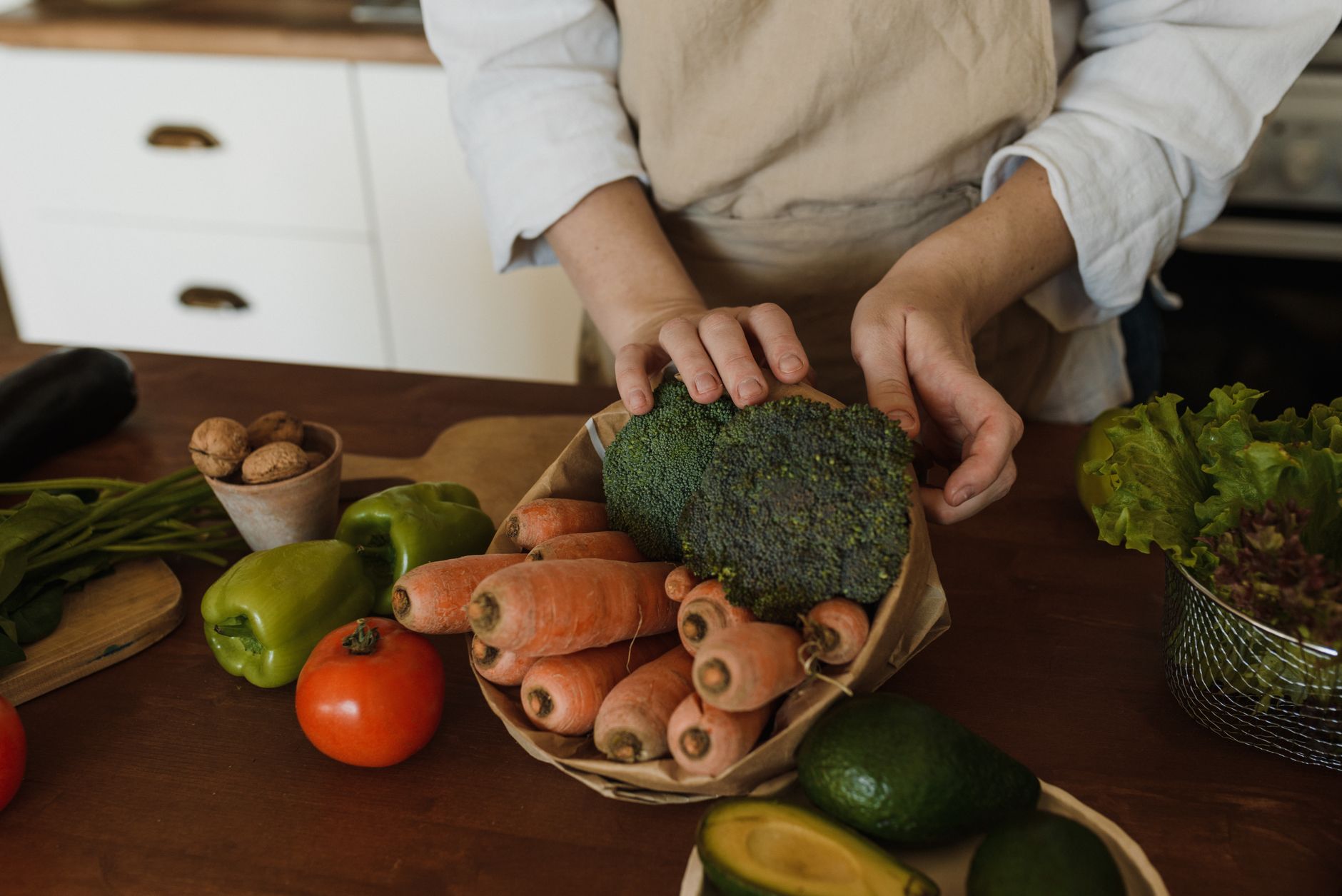
Vegetables: Roast two to three sheet pans of non-starchy vegetables — broccoli, zucchini, bell peppers, and Brussels sprouts are excellent options. These are virtually free from a glycemic standpoint and add critical micronutrients.
Sauces and dressings: Prepare a tahini-lemon dressing or a simple olive oil and apple cider vinegar vinaigrette. Research published in the European Journal of Clinical Nutrition in 2023 found that consuming vinegar before or with a carbohydrate-containing meal reduced post-meal glucose spikes by up to 20%.
Snacks: Portion out small containers of nuts mixed with pumpkin seeds, or pair sliced cucumbers and celery with pre-measured hummus cups. These snacks deliver fiber, protein, and fat in one go.
Assembling Your Meals Throughout the Week
The real magic of blood sugar–focused prep is in how you combine your prepped components. Always eat in this order when possible: vegetables and fiber first, then protein and fat, then carbohydrates. A 2019 study in Diabetes Care demonstrated that this simple sequencing approach reduced post-meal glucose spikes by up to 37% compared to eating carbohydrates first.
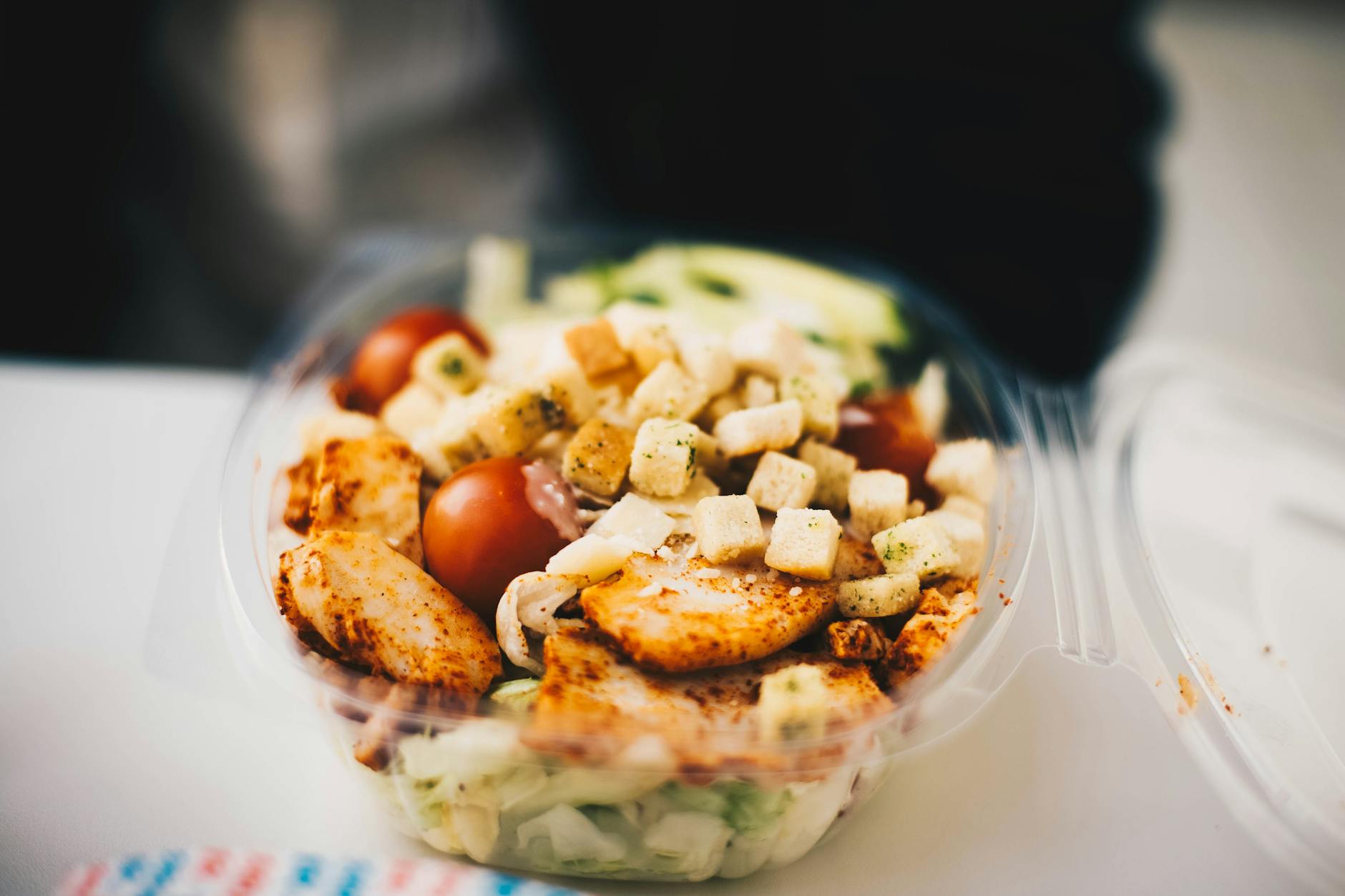
A typical assembled bowl might look like: a base of leafy greens, a scoop of roasted vegetables, a portion of farro, a serving of lentils or chicken, and a drizzle of vinaigrette. That's a complete, blood sugar–smart meal that took you less than five minutes to put together.
Small Habits That Amplify Your Results
Even the best meal prep plan works better when paired with a few evidence-based daily habits. A 10-minute walk after meals has been shown in multiple clinical trials to meaningfully reduce post-meal glucose excursions. Staying well hydrated also supports kidney function in clearing excess glucose. And eating at consistent times each day — rather than grazing sporadically — helps your body anticipate and manage glucose more efficiently.
The Bottom Line
Meal prepping for blood sugar balance isn't about restriction — it's about preparation. When your fridge is stocked with fiber-rich vegetables, quality proteins, healthy fats, and slow-digesting carbohydrates, making a glucose-stable choice is always the path of least resistance. Start with one prep session this week, and you may be surprised at how quickly your energy, clarity, and cravings begin to shift.
Disclaimer: This article is for informational and educational purposes only and does not constitute medical advice. The information presented is based on publicly available research and general nutritional principles. Always consult a qualified healthcare professional before making changes to your diet, especially if you have an existing medical condition or are taking medications.