For decades, fat was public enemy number one. Low-fat cookies, fat-free yogurt, and reduced-fat everything filled grocery store shelves — and yet chronic disease rates kept climbing. Today, the science tells a very different story. Not only is dietary fat essential for survival, but eating the right kinds of fat is one of the most powerful things you can do for your long-term health. Let's break down what the research actually says and how to put it into practice.
Why Your Body Can't Function Without Fat
Fat is far more than a source of stored energy. It plays foundational roles in nearly every system of the body. Cell membranes are built from fatty acids, meaning every single one of your 37 trillion cells depends on dietary fat to maintain its structure and flexibility. Fat is also the raw material your body uses to produce steroid hormones — including estrogen, testosterone, and cortisol — making it indispensable for hormonal balance.
Beyond that, vitamins A, D, E, and K are fat-soluble, meaning your body can only absorb and use them when fat is present in the meal. A 2021 review published in Nutrients confirmed that people eating very low-fat diets are significantly more likely to show deficiencies in these critical micronutrients. Your brain — which is roughly 60% fat by dry weight — also relies on a steady supply of dietary fats to support cognition, mood regulation, and neurological function.
Recommended Products
As an Amazon Associate, NutriPlan earns from qualifying purchases — at no extra cost to you.
- NutriBullet Pro 900W Blender — Powerful personal blender — perfect for smoothies and nutrient-dense bowls.
- Digital Kitchen Food Scale — Accurate macro tracking starts with precise ingredient measurement.
The Fat Spectrum: Not All Fats Are Created Equal
Understanding fat requires looking at its different forms, each with distinct effects on health.
Monounsaturated fats (MUFAs) — found in olive oil, avocados, and most nuts — are widely regarded as heart-protective. A large-scale analysis published in the American Journal of Clinical Nutrition in 2020 found that replacing saturated fat with MUFAs was associated with meaningful reductions in LDL cholesterol and cardiovascular risk markers.
Polyunsaturated fats (PUFAs) include both omega-3 and omega-6 fatty acids. Omega-3s, found in fatty fish, flaxseeds, chia seeds, and walnuts, are strongly anti-inflammatory and associated with improved heart, brain, and joint health. Omega-6s, while also essential, are abundant in many processed and fried foods, and the modern Western diet tends to deliver a heavily skewed omega-6 to omega-3 ratio — far from the ideal 4:1 balance suggested by researchers.
Saturated fats — found in red meat, butter, cheese, and coconut oil — have long been controversial. Current evidence suggests that the type of saturated fat and the overall dietary pattern matter more than saturated fat intake in isolation. That said, replacing some saturated fat with unsaturated alternatives remains a generally supported strategy for reducing cardiovascular risk.
Trans fats, particularly industrially produced partially hydrogenated oils, are the clear villain of the fat world. A 2019 WHO report reinforced that artificial trans fats raise LDL cholesterol, lower HDL cholesterol, and significantly increase the risk of heart disease. Thankfully, many countries have now banned or restricted their use — but it's still worth checking ingredient labels for "partially hydrogenated oils."
How Much Fat Should You Actually Eat?
Most major health organizations recommend that fat make up 25–35% of total daily calories, with the emphasis firmly on unsaturated sources. For someone eating 2,000 calories per day, that works out to roughly 55–78 grams of fat. Rather than obsessing over grams, a simpler approach is to focus on food quality: build your diet around whole, minimally processed fat sources and limit ultra-processed foods high in refined oils and artificial trans fats.
Practical Ways to Upgrade Your Fat Intake
Getting more of the right fats doesn't require a dietary overhaul. These small, science-backed swaps make a meaningful difference:
- Dress salads with extra-virgin olive oil rather than low-fat dressings loaded with sugar and additives. The fat also helps you absorb the fat-soluble carotenoids in your vegetables.
- Snack on a small handful of walnuts or almonds — both rich in MUFAs, PUFAs, and fiber that supports satiety.
- Eat fatty fish two to three times per week. Salmon, mackerel, sardines, and herring are among the richest dietary sources of anti-inflammatory omega-3s.
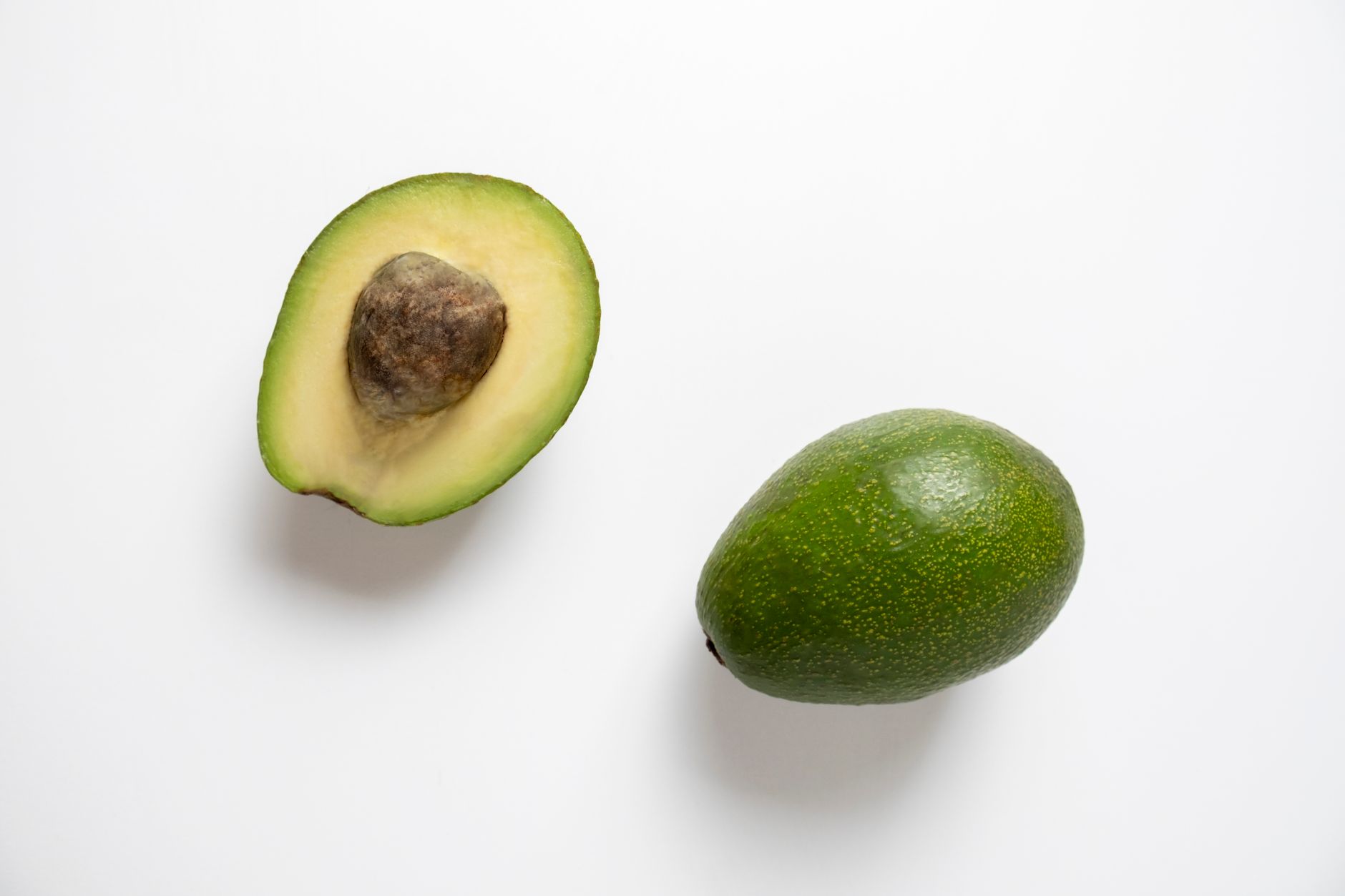
- Add avocado to meals. Half an avocado delivers nearly 10 grams of heart-healthy monounsaturated fat along with potassium, folate, and fiber.
- Cook with whole-food fat sources like olive oil or small amounts of butter rather than heavily refined seed oils.
- Read labels on packaged foods and skip anything listing "partially hydrogenated" oils in the ingredient list.
The Bottom Line
The fear of fat that dominated nutrition advice for much of the 20th century has been largely dismantled by modern research. The quality of fat you eat matters enormously — and generous amounts of the right kinds actively support your heart, brain, hormones, and overall vitality. Rather than going low-fat, go smart-fat: prioritize whole-food sources rich in monounsaturated and polyunsaturated fats, keep artificial trans fats firmly off your plate, and let dietary fat work for your health the way nature intended.
Disclaimer: This article is for informational and educational purposes only and does not constitute medical advice. The information presented is based on publicly available research and general nutritional principles. Always consult a qualified healthcare professional before making changes to your diet, especially if you have an existing medical condition or are taking medications.