Fitness & Recovery21 July 2026ยท๐Ÿ“– 7 min read

Electrolytes and Exercise: The Science of Staying Balanced When You Sweat

Electrolytes are far more than a marketing buzzword โ€” they're the charged minerals that keep your muscles firing, your heart beating, and your performance from falling off a cliff. Here's what the science says about replenishing them smartly.

Electrolytes and Exercise: The Science of Staying Balanced When You Sweat
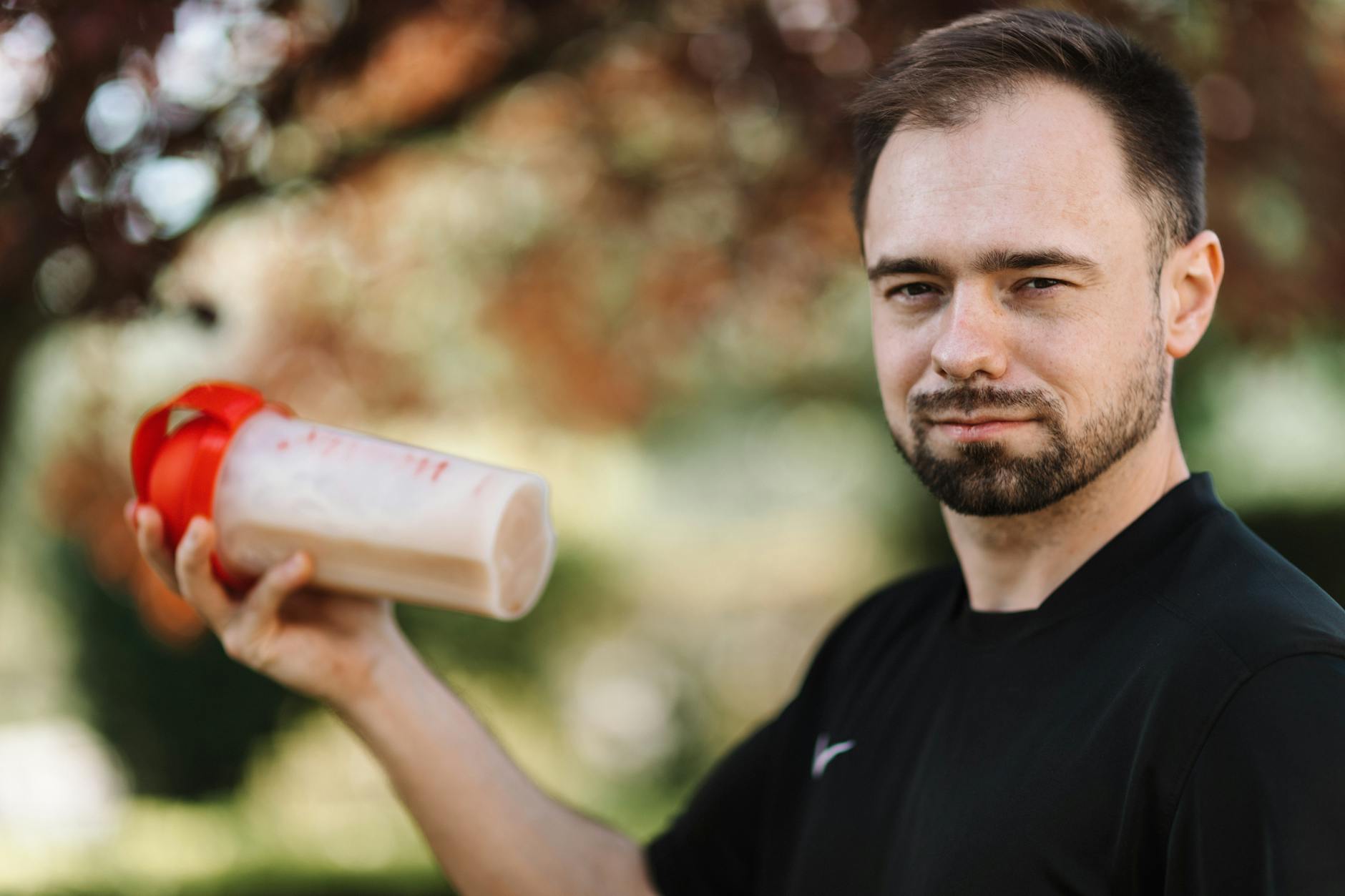
Photo by cottonbro studio on Pexels

You've just finished a long run, a tough HIIT session, or an hour of hot yoga. You're drenched in sweat, slightly lightheaded, and reaching for the nearest drink. If that drink is plain water, you might be missing half the picture. Sweat isn't just water โ€” it's a cocktail of electrically charged minerals called electrolytes, and replenishing them properly can mean the difference between a strong recovery and a sluggish one.

What Are Electrolytes, Exactly?

Electrolytes are minerals that carry an electrical charge when dissolved in fluid. The key players in exercise physiology are sodium, potassium, magnesium, calcium, and chloride. These minerals govern some of your body's most critical functions: nerve signal transmission, muscle contraction and relaxation, fluid balance between cells, and blood pressure regulation.

When you sweat, you lose all of these โ€” though not in equal amounts. Sodium and chloride are lost in the greatest quantities, which is why sweat tastes salty. Potassium, magnesium, and calcium follow in smaller but still meaningful amounts, particularly during prolonged or high-intensity exercise.

Recommended Products

As an Amazon Associate, NutriPlan earns from qualifying purchases โ€” at no extra cost to you.

Why Imbalance Hurts Performance

A 2022 review in the European Journal of Applied Physiology confirmed that even modest electrolyte depletion โ€” particularly of sodium โ€” can impair neuromuscular coordination, increase perceived effort, and accelerate fatigue. This isn't just about cramping (though muscle cramps are one of the most common signs of electrolyte imbalance). Deficits can also cause brain fog, mood dips, irregular heartbeat, and in severe cases, a dangerous condition called hyponatremia โ€” where sodium levels drop so low that cells begin to swell.

Interestingly, hyponatremia is more often caused by drinking too much plain water than by not drinking enough. Endurance athletes who aggressively over-hydrate without replacing sodium are at particular risk, a pattern highlighted in a landmark study published in the New England Journal of Medicine.

The Sodium Question: How Much Is Too Much?

Sodium gets a bad reputation in general health circles, but in the context of exercise, it's your best friend. It's the primary electrolyte lost in sweat and the one most critical for maintaining plasma volume โ€” the fluid portion of your blood that delivers oxygen and nutrients to working muscles.

Research published in the International Journal of Sport Nutrition and Exercise Metabolism found that athletes who added sodium to their hydration strategy during events lasting longer than 60โ€“90 minutes maintained better performance, experienced fewer cramps, and recovered faster than those who drank plain water or sodium-free beverages. For most people engaged in moderate exercise lasting under an hour, plain water is sufficient. But for longer sessions, especially in heat, sodium intake matters significantly.

A practical benchmark: aim for 500โ€“700 mg of sodium per hour of sustained exercise in warm conditions, adjusting upward if you're a heavy or "salty" sweater (signs include white residue on skin or clothing after workouts).

Potassium, Magnesium, and Calcium: The Supporting Cast

While sodium takes the lead role, the other electrolytes are far from extras.

Potassium works in close partnership with sodium to regulate fluid inside cells and support proper muscle function. Foods like bananas, sweet potatoes, avocados, and leafy greens are excellent dietary sources and can help restore potassium after exercise.

Magnesium is involved in over 300 enzymatic reactions, including those that govern muscle relaxation and energy production. A 2021 study in Nutrients found that magnesium supplementation reduced exercise-induced muscle damage markers in athletes with marginal magnesium intake โ€” a common finding given that many people don't meet daily magnesium targets through diet alone.

Calcium is essential for muscle contraction and bone integrity. While you lose less calcium in sweat than the other electrolytes, heavy training without adequate dietary calcium โ€” found in dairy, fortified plant milks, tofu, and leafy greens โ€” can gradually compromise bone density over time.

Food First vs. Sports Drinks: Finding the Right Approach

The sports drink industry would have you believe you need a neon-colored bottle after every workout. The reality is more nuanced. For sessions under 60 minutes at moderate intensity, whole foods and water are entirely adequate for recovery. A post-workout snack combining a carbohydrate source with a protein source (like Greek yogurt with fruit, or a banana with nut butter) will restore glycogen and provide meaningful electrolytes naturally.

For longer, more intense sessions โ€” think distance running, cycling, competitive team sports, or training in high heat โ€” a targeted electrolyte strategy becomes genuinely beneficial. Look for products or homemade options that prioritize sodium and potassium without excessive added sugar. Coconut water, lightly salted fruit smoothies, and purpose-formulated electrolyte tablets are all evidence-supported options.

Practical Takeaways for Your Next Workout

Here's how to apply the science without overcomplicating it:

  • Under 60 minutes: Water before and after is enough. Focus on a balanced meal within a few hours.
  • 60โ€“90 minutes: Consider a light electrolyte drink or a salty snack post-session.
  • Over 90 minutes or in heat: Actively replace sodium during exercise (200โ€“400 mg every 30โ€“45 minutes) and follow up with a potassium- and magnesium-rich meal afterward.
  • Every day: Prioritize electrolyte-rich whole foods โ€” leafy greens, legumes, nuts, seeds, dairy or fortified alternatives โ€” so you're not starting each workout already depleted.

Electrolyte balance isn't glamorous, but it's foundational. Get it right, and you'll notice better endurance, sharper focus during workouts, fewer cramps, and a faster bounce-back afterward. That's not marketing โ€” that's physiology.


Disclaimer: This article is for informational and educational purposes only and does not constitute medical advice. The information presented is based on publicly available research and general nutritional principles. Always consult a qualified healthcare professional before making changes to your diet, especially if you have an existing medical condition or are taking medications.

โ† Back to NutriBlogFitness & Recovery
๐Ÿฅ—

Weekly nutrition tips โ€” free

Evidence-based advice on meal planning, health conditions and recipes. No spam, unsubscribe any time.

By subscribing you agree to our Privacy Policy.

Put this into practice

Get a free 7-day meal plan built around your health profile โ€” tailored for your conditions, allergies and goals.

Generate my free plan โ†’

More in Fitness & Recovery