You've seen the word on cereal boxes, supplement labels, and smoothie menus for decades. But "antioxidant" is far more than a marketing buzzword — it describes a vast and sophisticated defense system operating inside every cell of your body, every second of every day. Understanding how antioxidants work, where to find them, and how to actually put them to use can make a meaningful difference in your long-term health.
What Is Oxidative Stress — and Why Should You Care?
To understand antioxidants, you first need to understand their enemy: free radicals. Free radicals are unstable molecules produced as a natural byproduct of metabolism, but also generated in response to pollution, UV radiation, cigarette smoke, alcohol, and chronic stress. Because they're missing an electron, free radicals are chemically aggressive — they "steal" electrons from nearby molecules, including DNA, proteins, and cell membranes, setting off a damaging chain reaction known as oxidative stress.
A small amount of oxidative stress is normal and even useful (your immune system uses free radicals to destroy pathogens). But when free radicals chronically outnumber your body's defenses, the damage accumulates. Research consistently links prolonged oxidative stress to cardiovascular disease, type 2 diabetes, neurodegenerative conditions like Alzheimer's, accelerated aging, and several cancers.
Enter antioxidants — molecules that neutralize free radicals by donating an electron without becoming unstable themselves, effectively breaking the chain of damage before it escalates.
Recommended Products
As an Amazon Associate, NutriPlan earns from qualifying purchases — at no extra cost to you.
- Omega-3 Fish Oil 1000mg (360 capsules) — High-strength omega-3 EPA & DHA from sustainably sourced fish oil.
- Vitamin D3 4000 IU (365 tablets) — Premium vitamin D3 to support immunity, bones and mood year-round.
The Major Players: Types of Antioxidants
Antioxidants aren't a single substance. They're a broad category that includes:
- Vitamins C and E — Two of the most studied. Vitamin C is water-soluble and works in blood plasma and cellular fluid; vitamin E is fat-soluble and protects cell membranes. A 2021 review in Nutrients confirmed that adequate intake of both is associated with reduced markers of oxidative damage.
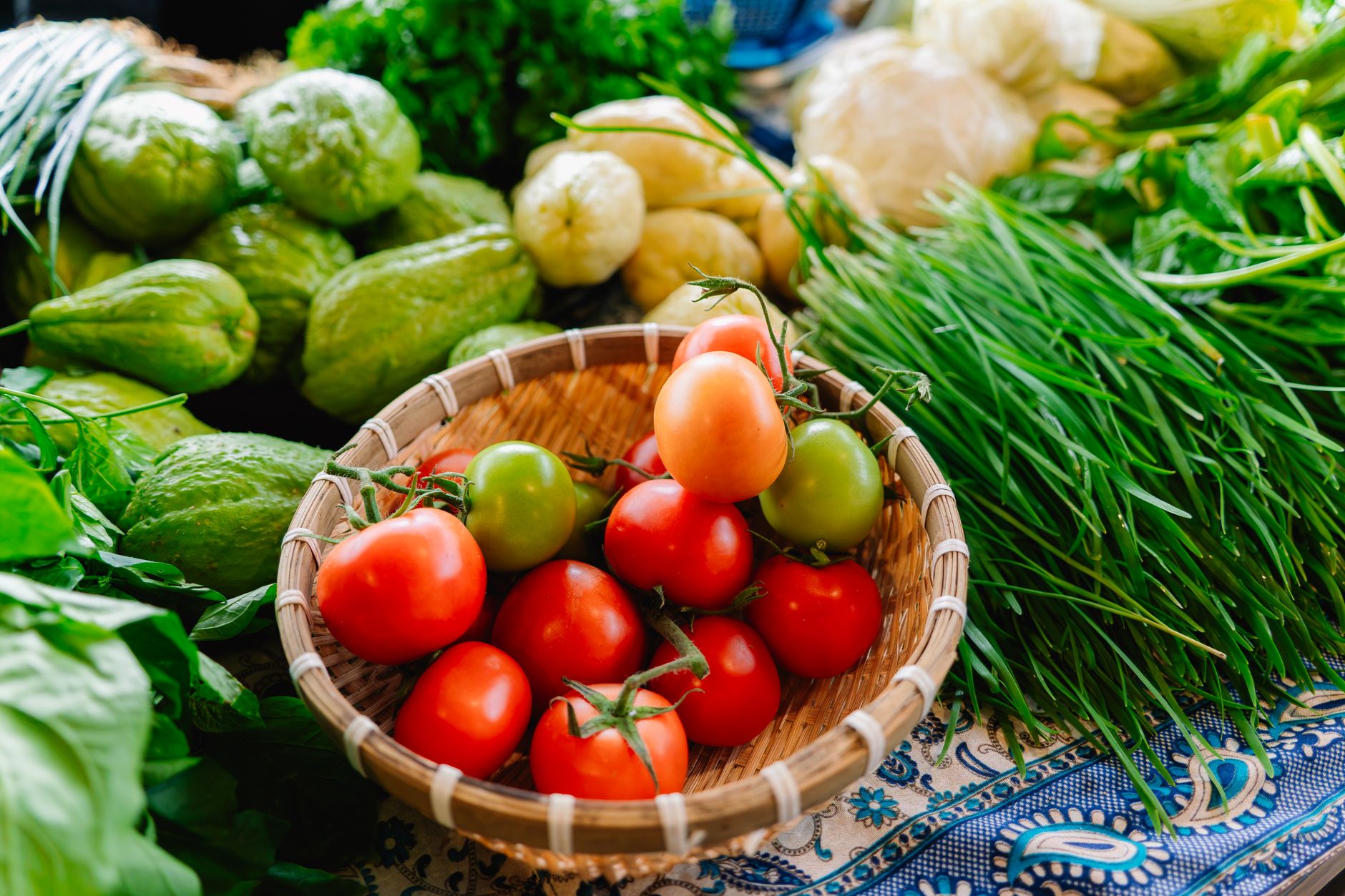
- Beta-carotene and other carotenoids — The pigments that make carrots orange and tomatoes red. These fat-soluble antioxidants are particularly active in protecting lipids from oxidation. Lycopene (from tomatoes) has been specifically linked in multiple studies to reduced risk of prostate and cardiovascular disease.
- Flavonoids and polyphenols — A massive family of plant compounds found in berries, tea, dark chocolate, and red wine. A 2022 meta-analysis in the European Journal of Nutrition found that higher dietary flavonoid intake was associated with significantly lower rates of all-cause mortality.
- Selenium and manganese — Trace minerals that serve as cofactors for the body's own antioxidant enzymes, including glutathione peroxidase and superoxide dismutase — arguably the most powerful antioxidants in existence, because your body makes them itself.
- Glutathione — Often called the "master antioxidant," glutathione is synthesized internally and recycles other antioxidants back into their active forms. Dietary precursors like cysteine (found in eggs, poultry, and legumes) support its production.
Food First: Where to Get the Best Antioxidant Coverage
Supplements can seem like a convenient shortcut, but the evidence paints a complicated picture. High-dose isolated antioxidant supplements — particularly beta-carotene and vitamin E — have in some trials shown no benefit or even adverse effects in certain populations. The prevailing scientific consensus, echoed in a 2023 position statement from the American Journal of Clinical Nutrition, is that whole foods deliver antioxidants in synergistic combinations that supplements simply can't replicate.
The best dietary sources include:
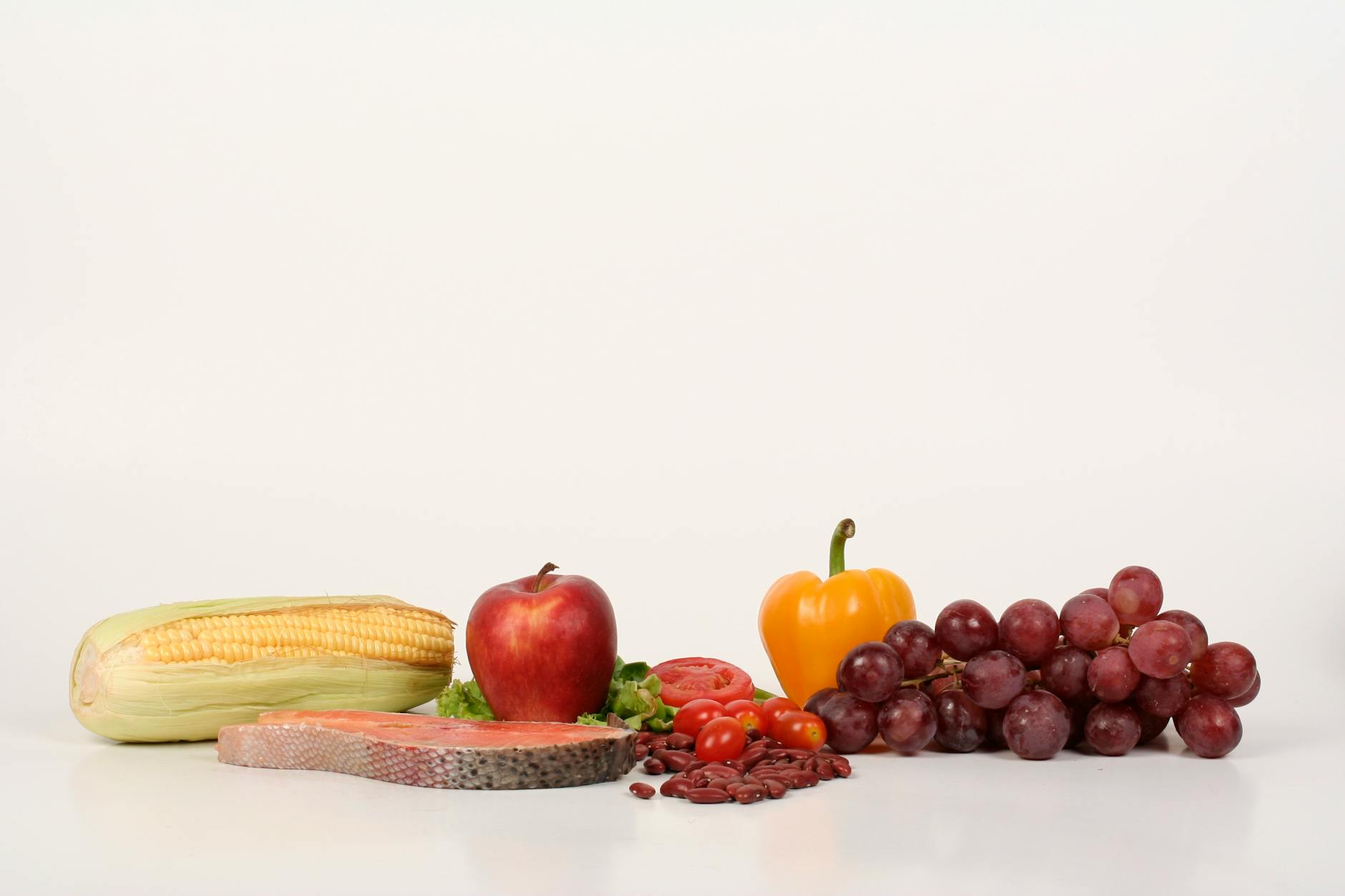
- Berries (blueberries, strawberries, blackberries) — among the highest ORAC-scored foods
- Leafy greens (spinach, kale, Swiss chard) — rich in lutein, zeaxanthin, and vitamin C
- Nuts and seeds — especially walnuts and sunflower seeds for vitamin E
- Legumes — particularly red kidney beans and black beans
- Colorful vegetables — bell peppers, beets, sweet potatoes, and tomatoes
- Green and black tea — outstanding sources of epigallocatechin gallate (EGCG)
- Dark chocolate (70%+ cacao) — flavanol-rich and increasingly well-researched
Practical Strategies to Maximize Your Antioxidant Intake
Eat the rainbow — literally. Different pigments signal different antioxidants, so variety is your best strategy. Aim for at least five different colors of produce each day.
Don't overcook your vegetables. Boiling can leach water-soluble antioxidants like vitamin C. Steaming, roasting, or eating raw preserves more of their nutritional value. Interestingly, cooking does enhance the bioavailability of lycopene in tomatoes — so sauces and soups count.
Pair fat-soluble antioxidants with healthy fats. Carotenoids like beta-carotene and lycopene are absorbed significantly better in the presence of fat. Drizzle olive oil over your salad or roasted vegetables.
Reduce sources of excess oxidative stress. No amount of berries will fully offset chronic smoking or heavy alcohol use. Minimizing free radical load through lifestyle choices is just as important as increasing your antioxidant intake.
Make antioxidant-rich foods a consistent habit, not an occasional event. Research suggests that cumulative, long-term dietary patterns matter far more than any single superfood consumed sporadically.
The Bottom Line
Antioxidants are not magic bullets — but they are genuinely essential. Your body is constantly fighting oxidative stress, and the food you eat is one of the most powerful tools you have to support that fight. By building a diet rich in diverse, colorful, minimally processed plant foods, you're giving your cellular defense systems exactly what they need to keep you healthier, longer. That's not marketing. That's biology.
Disclaimer: This article is for informational and educational purposes only and does not constitute medical advice. The information presented is based on publicly available research and general nutritional principles. Always consult a qualified healthcare professional before making changes to your diet, especially if you have an existing medical condition or are taking medications.