If you've ever heard that blueberries are a "superfood" or that a glass of red wine might be good for your heart, you've brushed up against the world of polyphenols. But the story behind these compounds goes far deeper than any single food headline. Polyphenols are a vast family of naturally occurring plant chemicals — over 8,000 identified to date — and mounting research suggests they play a profound role in protecting your body from chronic disease, oxidative stress, and premature aging.
Understanding what polyphenols are, how they work, and where to find them is one of the most practical steps you can take toward a more nourishing, science-backed diet.
What Are Polyphenols, Exactly?
Polyphenols are bioactive compounds produced by plants, primarily as a defense mechanism against UV radiation, pathogens, and environmental stress. They're found in fruits, vegetables, whole grains, legumes, tea, coffee, dark chocolate, and herbs. Nutritionally, they're categorized into four major classes: flavonoids (the largest group, which includes quercetin, catechins, and anthocyanins), phenolic acids, stilbenes, and lignans.
Each class behaves somewhat differently in the body, but they share a common thread: they act as potent antioxidants and modulators of cellular signaling pathways, meaning they don't just neutralize harmful molecules — they actively communicate with your cells to influence how they function.
Recommended Products
As an Amazon Associate, NutriPlan earns from qualifying purchases — at no extra cost to you.
- Omega-3 Fish Oil 1000mg (360 capsules) — High-strength omega-3 EPA & DHA from sustainably sourced fish oil.
- Vitamin D3 4000 IU (365 tablets) — Premium vitamin D3 to support immunity, bones and mood year-round.
The Science: What Polyphenols Do Inside Your Body
The research on polyphenols is expansive and continues to grow. Here's what the evidence currently tells us:
They combat oxidative stress. Free radicals — unstable molecules generated by pollution, poor diet, stress, and normal metabolism — can damage DNA, proteins, and cell membranes. Polyphenols neutralize these free radicals and upregulate the body's own antioxidant enzymes. A 2022 review in Antioxidants confirmed that dietary polyphenol intake is consistently associated with reduced markers of oxidative damage across diverse populations.
They reduce chronic inflammation. Low-grade, systemic inflammation underlies nearly every major chronic disease, from type 2 diabetes to cardiovascular disease to certain cancers. Polyphenols have been shown to inhibit key inflammatory signaling molecules, including NF-κB and COX-2. A large-scale analysis published in the European Journal of Nutrition in 2021 found that higher polyphenol intake was significantly associated with lower levels of C-reactive protein (CRP), a primary blood marker of inflammation.
They support cardiovascular health. Multiple studies link regular polyphenol consumption — particularly flavonoids from berries, cocoa, and tea — with improved endothelial function, reduced LDL oxidation, and lower blood pressure. A 2023 meta-analysis in the Journal of the American Heart Association found that flavonoid-rich diets were associated with a meaningful reduction in cardiovascular disease risk, independent of other lifestyle factors.
They benefit the gut microbiome. Most dietary polyphenols are not fully absorbed in the small intestine — instead, they travel to the colon where gut bacteria metabolize them into bioactive compounds. This interaction is bidirectional: polyphenols nourish beneficial bacterial strains, while those bacteria in turn produce metabolites that enhance polyphenols' health effects. Research published in Gut Microbes in 2022 highlighted this synergy as a key mechanism behind the cardiometabolic benefits of polyphenol-rich diets.
They may protect brain health. Emerging research points to polyphenols' role in reducing neuroinflammation, improving cerebral blood flow, and potentially slowing cognitive decline. A longitudinal study in Neurology found that older adults with the highest dietary flavonoid intake had significantly slower rates of cognitive aging over a 20-year follow-up period.
The Bioavailability Challenge
One important nuance: polyphenols vary enormously in how well the body absorbs and uses them. Factors like food matrix, cooking method, gut microbiome composition, and even genetics all influence bioavailability. This is one reason why getting polyphenols from a wide variety of whole foods — rather than concentrated supplements — tends to produce better outcomes in research. The synergistic effects of multiple compounds working together in a real food context appear to matter significantly.
How to Eat More Polyphenols Every Day
The good news is that boosting your polyphenol intake doesn't require an overhaul — just a few consistent, delicious upgrades:
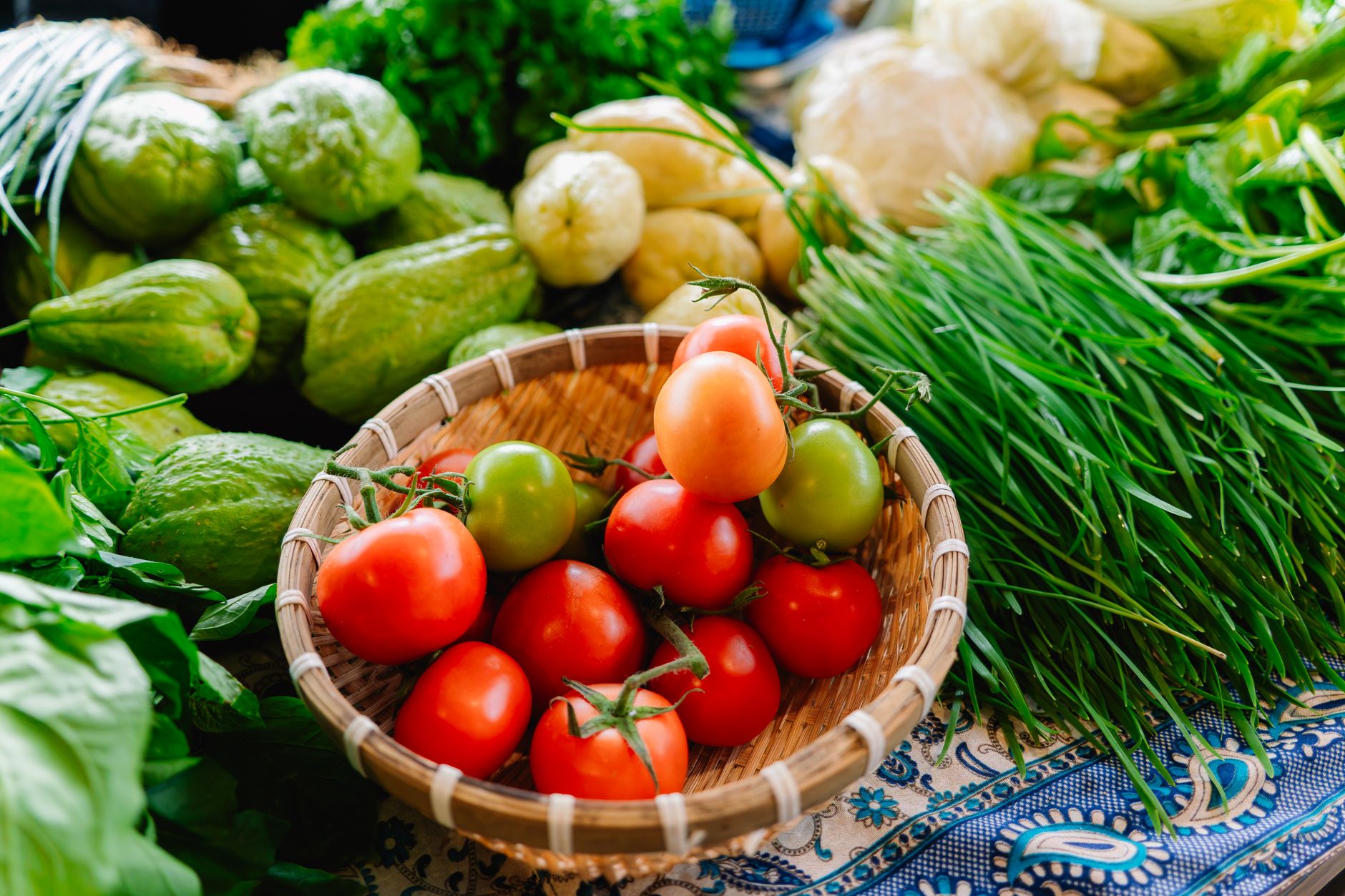
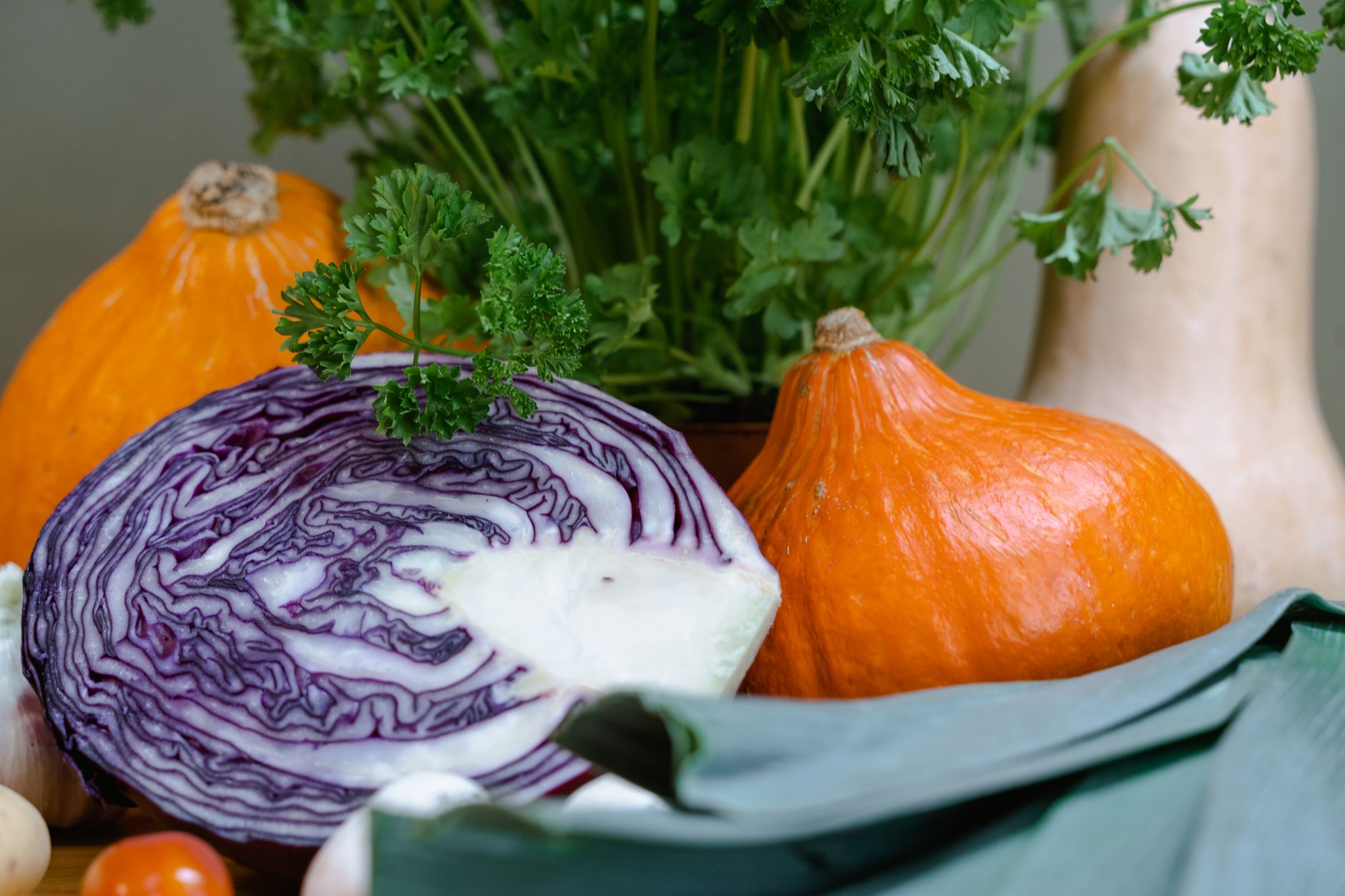
- Diversify your produce. Aim for a wide range of colors. Deep purples and reds (berries, red cabbage, beets) signal anthocyanins. Greens (broccoli, kale, parsley) are rich in flavones and quercetin. Yellows and oranges provide flavanones and carotenoids.
- Drink your polyphenols. Green tea, black tea, and coffee are among the richest polyphenol sources in the Western diet. Unsweetened versions count toward your daily intake significantly.
- Choose whole grains. Oats, buckwheat, and whole wheat contain notable amounts of phenolic acids concentrated in the bran layer — another reason to skip the refined versions.
- Use herbs and spices liberally. Cloves, peppermint, star anise, oregano, and turmeric are extraordinarily rich in polyphenols per gram. A generous hand with the spice rack is one of the easiest wins in nutrition.
- Don't skip legumes. Black beans, lentils, and kidney beans are underrated polyphenol powerhouses, particularly in flavonoids and phenolic acids.
- Enjoy a small amount of dark chocolate. Cocoa flavanols are well-studied for cardiovascular benefits. Look for varieties with 70% or higher cacao content.
The Bottom Line
Polyphenols aren't a trend or a magic bullet — they're a fundamental part of why traditional plant-rich diets have been associated with longevity and disease prevention for decades. The science is clear: a diverse, colorful, minimally processed diet naturally delivers an abundance of these compounds. You don't need to track them or take a supplement. You just need to eat a wide variety of real plants, consistently, and let the biology do the rest.
Disclaimer: This article is for informational and educational purposes only and does not constitute medical advice. The information presented is based on publicly available research and general nutritional principles. Always consult a qualified healthcare professional before making changes to your diet, especially if you have an existing medical condition or are taking medications.