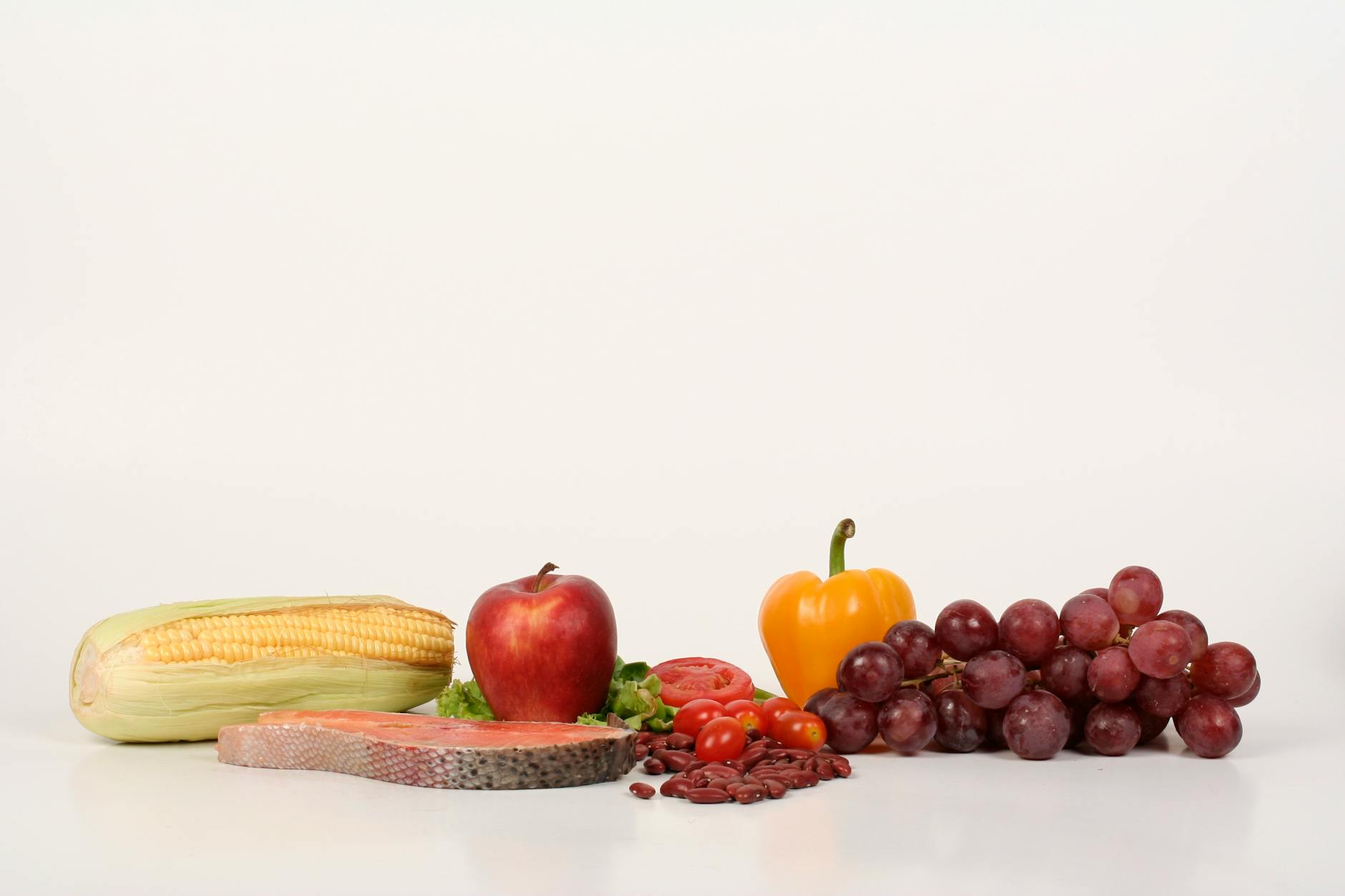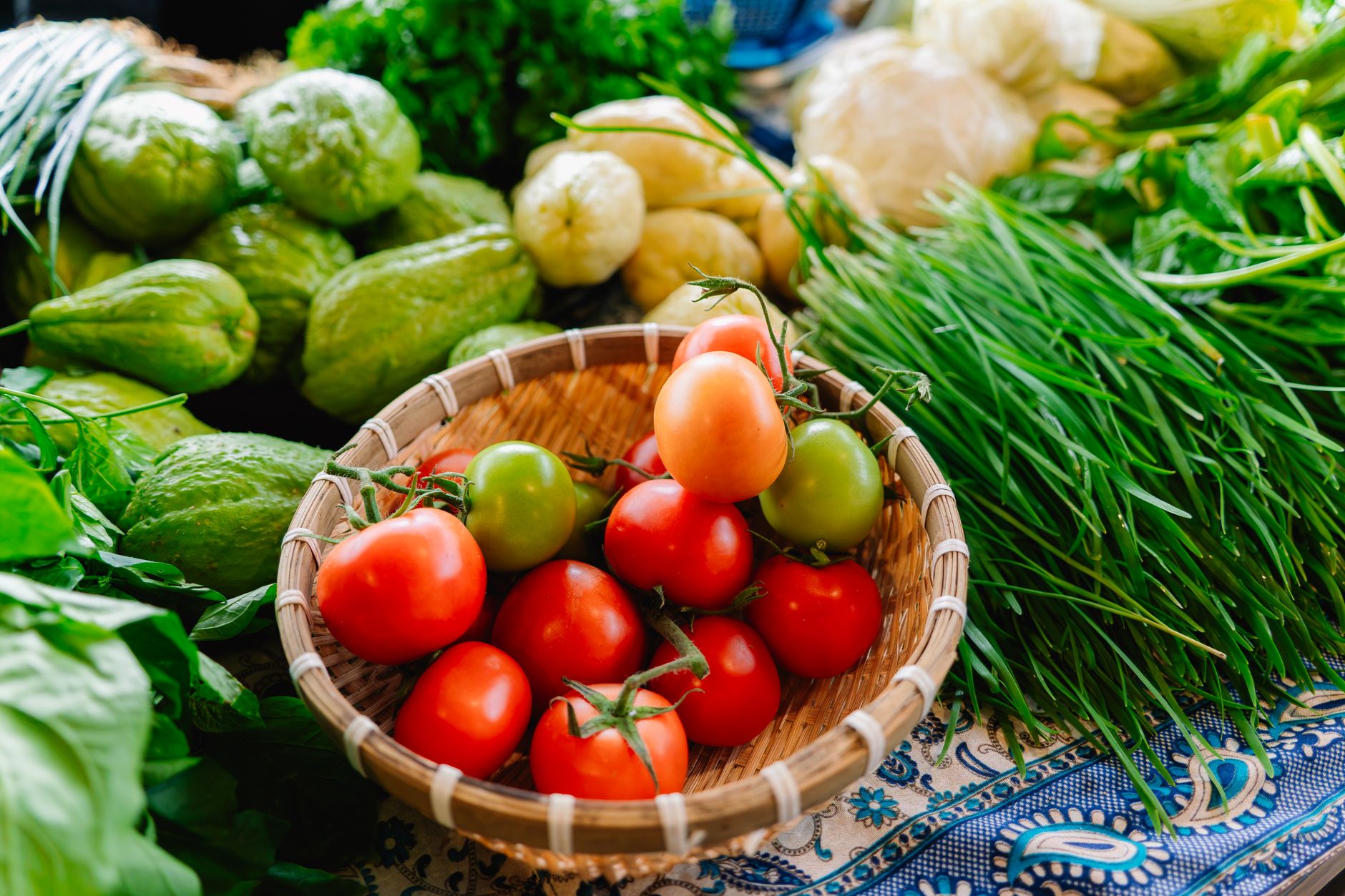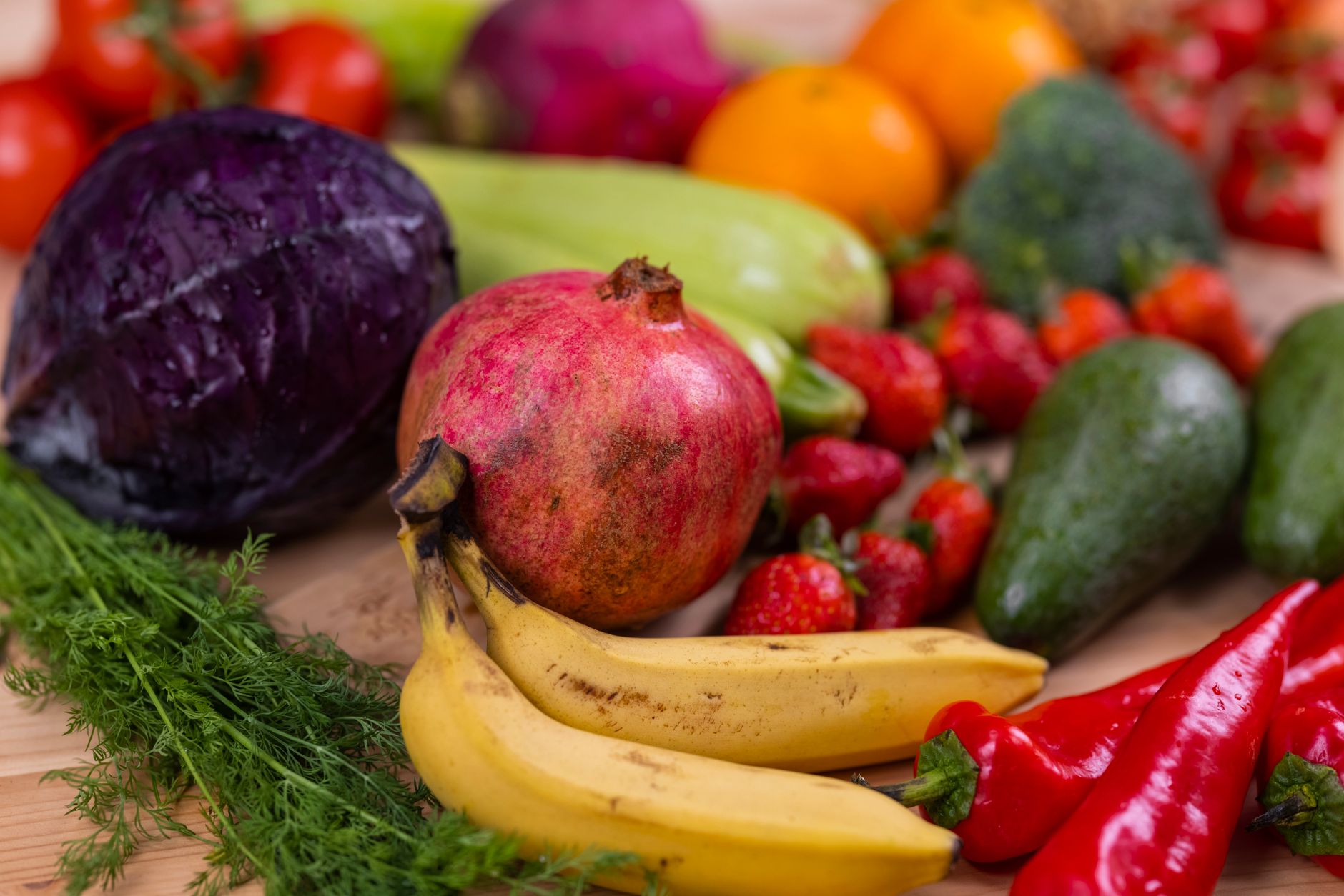
Most conversations about nutrition orbit around the big three — protein, carbohydrates, and fat. But quietly running beneath the surface of your daily meals is an equally important story: the micronutrients. Vitamins and minerals don't provide calories, but they power virtually every biological process in your body, from energy metabolism and immune defense to bone formation and DNA repair. And according to global health data, deficiencies in these small but mighty compounds are far more widespread than most people realize.
Why Micronutrient Deficiencies Are So Easy to Miss
Unlike macronutrient shortfalls — which often produce obvious signs like fatigue or muscle loss — micronutrient deficiencies tend to accumulate slowly. A 2022 review published in Nutrients described this phenomenon as "hidden hunger": a state where caloric needs are met but nutritional quality falls short, often without dramatic symptoms until the deficit becomes significant.
You might feel vaguely tired, mentally foggy, or catch colds more frequently than usual. These subtle signals are easy to attribute to stress, poor sleep, or aging — when the real culprit may be chronically low levels of iron, magnesium, or vitamin D.
Recommended Products
As an Amazon Associate, NutriPlan earns from qualifying purchases — at no extra cost to you.
- Omega-3 Fish Oil 1000mg (360 capsules) — High-strength omega-3 EPA & DHA from sustainably sourced fish oil.
- Vitamin D3 4000 IU (365 tablets) — Premium vitamin D3 to support immunity, bones and mood year-round.
The Most Common Deficiencies Worldwide
Research consistently identifies a cluster of micronutrients that large segments of the population fail to consume in adequate amounts:
Vitamin D tops almost every list. A 2021 analysis in The Journal of Clinical Endocrinology & Metabolism estimated that over 40% of adults in Western countries have insufficient vitamin D levels. Because very few foods contain meaningful amounts naturally — fatty fish, egg yolks, and fortified dairy being exceptions — sunlight synthesis becomes critical, and modern indoor lifestyles work against us.
Magnesium is involved in over 300 enzymatic reactions, yet an analysis of U.S. dietary data found that nearly half of adults fall short of the recommended intake. Whole grains, legumes, dark leafy greens, and nuts are excellent sources, but highly processed diets displace these foods regularly.
Iron deficiency remains the most prevalent nutritional deficiency globally, particularly among women of reproductive age and those following plant-based diets. A 2023 study in the American Journal of Clinical Nutrition confirmed that non-heme iron (from plant sources) is absorbed at only 2–20% efficiency compared to the heme iron found in animal products, making intentional food pairing critical for those who eat little meat.
Iodine quietly underpins thyroid health and metabolic regulation, yet reduced use of iodized salt and low dairy consumption have contributed to mild deficiency in many high-income countries, according to a 2020 report from the World Health Organization.
Zinc, vitamin B12, and folate round out the list, each with specific populations at elevated risk — vegans for B12, older adults for zinc absorption, and people of childbearing age for folate.
Food-First Strategies That Actually Work
Supplements have their place, but research repeatedly shows that nutrients from whole foods come packaged with co-factors and fiber that enhance absorption and utilization. Here's how to build a more micronutrient-rich plate:
- Eat the rainbow — but go deeper. Dark leafy greens like spinach, kale, and Swiss chard deliver magnesium, folate, iron, and vitamin K in a single serving. Aim for at least two cups daily.
- Pair iron with vitamin C. A squeeze of lemon over lentils or a handful of bell pepper with your chickpea salad can increase non-heme iron absorption by up to three times, according to research in the British Journal of Nutrition.
- Don't fear fatty fish. Salmon, sardines, and mackerel provide vitamin D, B12, zinc, and omega-3s simultaneously. Two servings per week is a well-supported target.
- Use seeds strategically. Pumpkin seeds, hemp seeds, and sunflower seeds are among the most magnesium- and zinc-dense foods by weight and are easy to sprinkle over meals.
- Choose fortified foods wisely. Plant milks fortified with calcium, vitamin D, and B12 can be meaningful contributors — just check the label for amounts.
When to Consider Testing and Supplementation
A simple blood panel from your healthcare provider can measure serum levels of vitamin D, iron (including ferritin), B12, and folate. This takes the guesswork out of supplementation, which matters — some micronutrients, including iron and fat-soluble vitamins like A and D, can accumulate to harmful levels if supplemented unnecessarily.
For vitamin D specifically, a 2023 meta-analysis in The Lancet Diabetes & Endocrinology found that supplementation meaningfully reduced deficiency risk in populations with low sun exposure, supporting targeted use based on tested need rather than blanket supplementation.
The Bigger Picture
Micronutrient sufficiency isn't about perfection or obsessive tracking. It's about building a dietary pattern that prioritizes variety, whole foods, and smart combinations. The body is remarkably adaptive — small, consistent improvements in food quality compound meaningfully over time. Think of it less as filling gaps and more as laying a nutritional foundation that supports everything else you're working toward.
Disclaimer: This article is for informational and educational purposes only and does not constitute medical advice. The information presented is based on publicly available research and general nutritional principles. Always consult a qualified healthcare professional before making changes to your diet, especially if you have an existing medical condition or are taking medications.