Non-alcoholic fatty liver disease (NAFLD) has become the most common liver condition in the developed world, affecting an estimated 25–30% of adults globally. Despite its prevalence, many people are unaware they have it — the liver has no pain receptors, so early-stage NAFLD is entirely silent.
The good news: unlike many chronic conditions, NAFLD is highly responsive to dietary change. In many cases, significant fat reduction in the liver can occur within weeks of improving eating habits.
What Happens in Fatty Liver Disease?
The liver's job is to process nutrients, metabolise fat, filter toxins, and produce essential proteins. When excess fat — primarily in the form of triglycerides — accumulates in liver cells (hepatocytes), the organ's function begins to deteriorate. If unchecked, NAFLD can progress through stages:
- Simple steatosis (fat accumulation, often reversible)
- NASH (non-alcoholic steatohepatitis — fat + inflammation + cell damage)
- Fibrosis (scarring)
- Cirrhosis (advanced scarring, potentially irreversible)
The primary drivers are excess calorie intake (especially from fructose and saturated fat), insulin resistance, and dysbiosis of the gut microbiome.
Foods That Harm the Liver
Fructose and Added Sugar
Of all dietary factors, high fructose intake may be the most directly hepatotoxic. Unlike glucose, which is metabolised throughout the body, fructose is almost entirely processed by the liver — where excess amounts are converted directly into fat via de novo lipogenesis.
A 2013 study in Hepatology found that added sugar consumption explained 4–8% of variance in liver fat across individuals, independent of total calorie intake. The primary culprits are sugar-sweetened beverages (soft drinks, energy drinks, fruit juices with added sugar), confectionery, and ultra-processed snacks.
Saturated and Trans Fats
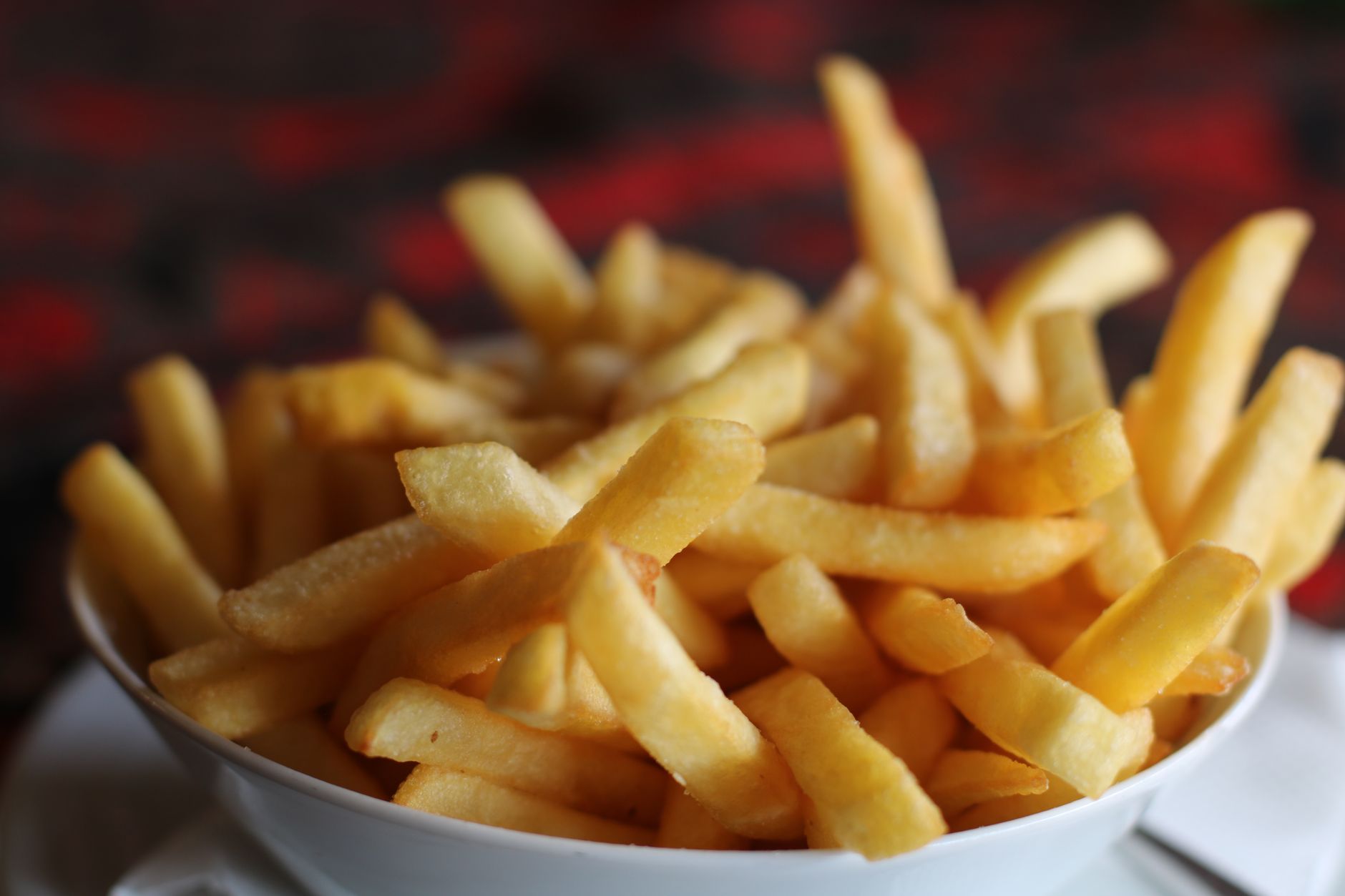
High intake of saturated fat (from processed meat, full-fat processed dairy, fried foods, and baked goods) promotes hepatic lipid accumulation and triggers inflammatory signalling in liver cells. Trans fats — found in some baked goods and partially hydrogenated oils — are particularly damaging, raising LDL and lowering HDL simultaneously.
Refined Carbohydrates
White bread, white rice, and other high-glycaemic refined carbohydrates spike insulin, which promotes fat storage and redirects carbohydrates toward liver fat synthesis. A chronic high-glycaemic dietary pattern is independently associated with higher liver fat in prospective studies.
Alcohol
Even modest regular drinking can worsen NAFLD progression. Alcohol is metabolised in the liver, generating reactive oxygen species and promoting inflammation. People with established NAFLD are generally advised to abstain entirely.
Foods That Heal the Liver
Coffee
One of the most surprising and well-replicated findings in hepatology: regular coffee consumption is associated with lower rates of NAFLD, NASH, fibrosis, and liver cancer. A 2017 meta-analysis in the British Medical Journal Open found that drinking two or more cups of coffee per day was associated with a 44% lower risk of cirrhosis compared to non-drinkers.
The mechanisms are multiple — chlorogenic acids in coffee are antioxidants that reduce oxidative stress in liver cells; caffeine inhibits connective tissue growth factor, reducing fibrosis risk; and coffee reduces liver enzyme levels (ALT, AST) in people with liver disease.
Two to three cups of black coffee per day appears to be sweet spot based on current evidence.
Oily Fish (Omega-3 Fatty Acids)
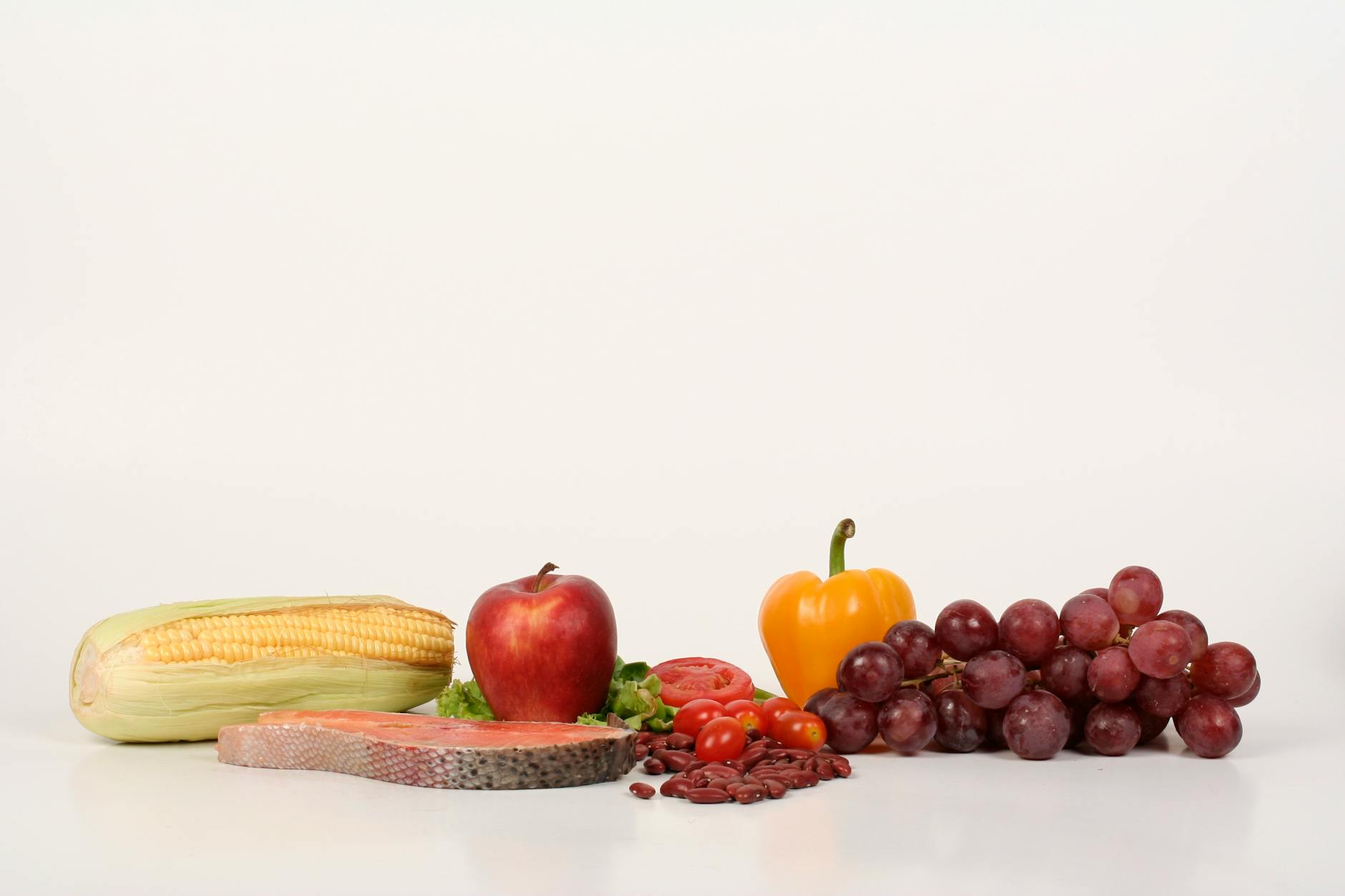
EPA and DHA from fatty fish (salmon, sardines, mackerel) directly reduce hepatic triglyceride synthesis and improve fat oxidation in liver cells. Multiple clinical trials have shown that omega-3 supplementation (2–4g EPA+DHA daily) reduces liver fat measured by ultrasound or MRI.
Eating oily fish two to three times per week provides meaningful EPA and DHA. For those who dislike fish, algae-based omega-3 supplements are an effective alternative.
Olive Oil (Extra-Virgin)
A small but well-conducted study published in Nutrition and Metabolism found that daily EVOO consumption (1 tablespoon with meals) reduced liver enzymes and liver fat compared with sunflower oil over 12 weeks. The oleocanthal and oleic acid in EVOO modulate fat metabolism pathways and reduce hepatic inflammation.
Walnuts
Walnuts are high in both ALA omega-3 fatty acids and polyphenols (particularly ellagitannins and flavonoids). A 2019 study in JHEP Reports found that patients with NAFLD who consumed walnuts daily for six months had significant reductions in liver fat and improved liver enzyme levels.
Cruciferous Vegetables
Broccoli, Brussels sprouts, cauliflower, and cabbage contain sulforaphane and indole-3-carbinol — compounds that induce the liver's phase II detoxification enzymes, improve fat oxidation, and have been shown in animal models to prevent diet-induced fat accumulation. Regular consumption correlates with lower liver disease risk in population studies.
Garlic
A 2016 randomised controlled trial in Advanced Biomedical Research found that 800mg garlic powder daily for 15 weeks significantly reduced liver fat and improved liver enzymes in NAFLD patients. Allicin and alliin in garlic reduce hepatic lipid synthesis and support antioxidant enzyme activity.
Legumes and Whole Grains
The soluble fibre in lentils, beans, oats, and barley slows glucose absorption, reduces post-meal insulin spikes, and feeds gut bacteria that produce liver-protective short-chain fatty acids. Replacing refined carbohydrates with legumes and whole grains is one of the most evidence-backed dietary shifts for reducing liver fat.
Key Dietary Pattern: The Mediterranean Approach
Multiple clinical trials have tested structured dietary patterns for NAFLD, and the Mediterranean diet consistently performs best. A 2017 randomised trial in the Journal of Hepatology found that NAFLD patients following a Mediterranean diet for 6 months had significant reductions in liver fat (measured by MRI) even without calorie restriction or weight loss.
The combination of olive oil, fish, legumes, whole grains, and plant polyphenols appears to be synergistically beneficial.
The Role of Weight Loss
While you can improve liver health without losing weight (as the Mediterranean diet trial showed), weight reduction is particularly powerful. Losing 7–10% of body weight reduces liver fat by 40–80% in most studies. Losing ≥10% can even reverse NASH in some patients.
The key is sustainable dietary change — not crash dieting, which can paradoxically worsen liver stress via rapid fat mobilisation and muscle loss.
Recommended Products
As an Amazon Associate, NutriPlan earns from qualifying purchases — at no extra cost to you.
- Pukka Three Ginger Herbal Tea — ginger-based liver-supportive herbal tea
- Organic Walnuts, 1kg — daily walnut intake for liver fat reduction
- Nakd Cacao Orange Bars (natural ingredients) — whole-food snack without added fructose
- Bravura Foods Organic Ground Flaxseed — easy way to add ALA omega-3 and fibre daily
The liver is one of the body's most regenerative organs — given the right conditions, it can reverse years of fat accumulation. Start with the two biggest levers: cut sugar-sweetened drinks and refined carbohydrates, and add oily fish twice a week. The rest follows. Generate a liver-friendly personalised meal plan →