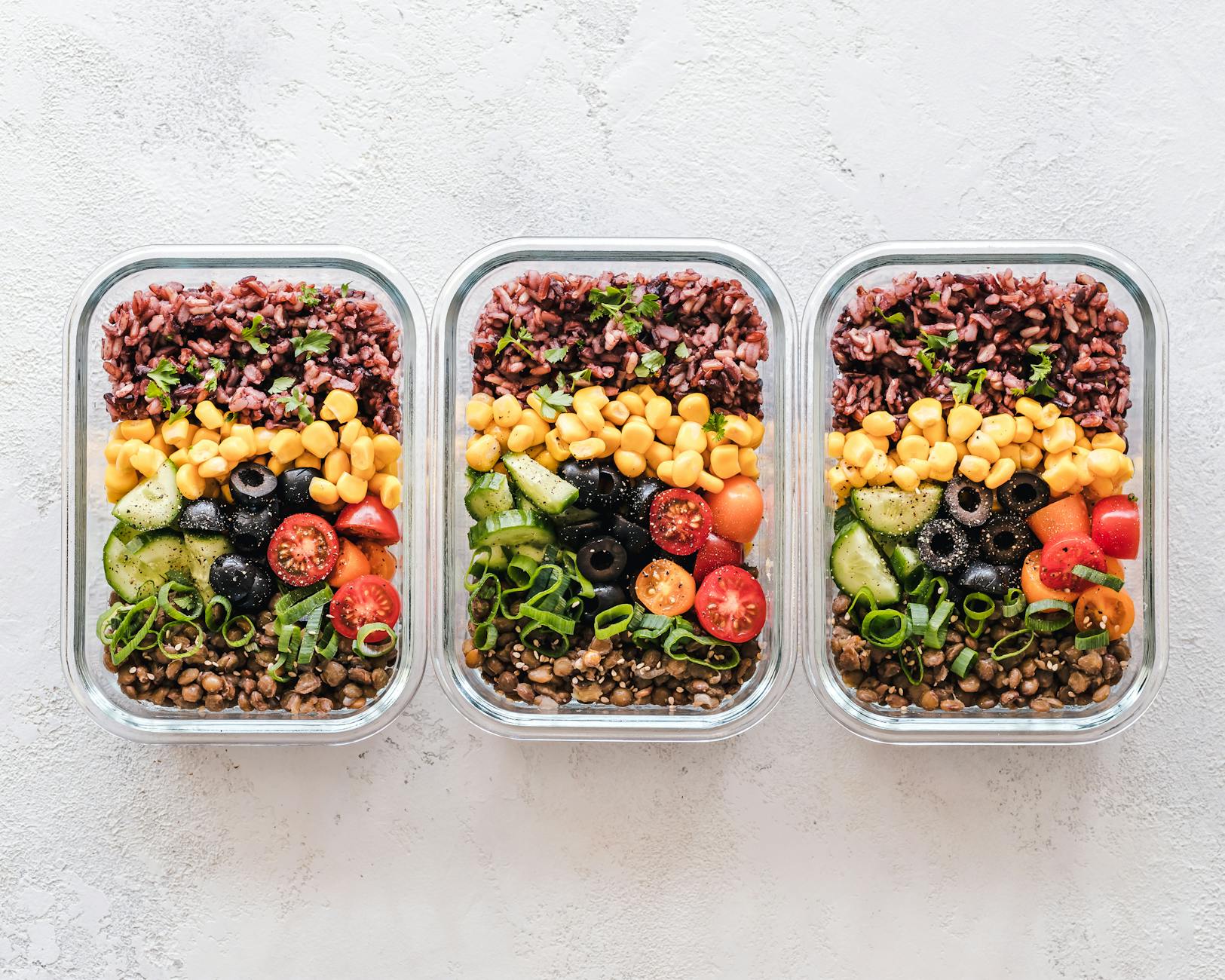
If you had to pick one dietary pattern with the strongest evidence base for long-term health, the Mediterranean diet would be a strong contender. It has been studied in randomised controlled trials, large prospective cohorts, and systematic meta-analyses for over seven decades — a remarkable run for any nutritional approach.
Yet "Mediterranean diet" remains one of the most misunderstood phrases in nutrition. It isn't a rigid meal plan. It isn't low-fat or low-carb. And it isn't exclusively about pasta and pizza. Let's get precise about what it is, what the evidence shows, and how to apply it practically.
The Core Principles
The Mediterranean diet isn't a single cuisine — it draws from the traditional eating patterns of Greece, southern Italy, Spain, and other coastal Mediterranean countries. Its consistent defining features are:
- Abundant plant foods: vegetables, fruits, whole grains, legumes, nuts, and seeds at every meal
- Extra-virgin olive oil as the primary fat source
- Fish and seafood at least twice a week
- Moderate poultry, eggs, and dairy (mostly yoghurt and cheese)
- Very limited red and processed meat
- Minimal ultra-processed foods and added sugar
- Moderate red wine with meals (optional — the evidence for wine specifically is contested)
That's it. No calorie counting. No macronutrient targets. No banned foods (in moderation).
The Landmark Evidence
PREDIMED (2013, 2018)
The most influential trial of the Mediterranean diet is PREDIMED (Prevención con Dieta Mediterránea), a Spanish randomised controlled trial that enrolled over 7,400 adults at high cardiovascular risk. Participants were randomised to one of three diets: Mediterranean + extra-virgin olive oil, Mediterranean + nuts, or a low-fat control diet.
The trial was stopped early at a median follow-up of 4.8 years because the results were already statistically compelling. The two Mediterranean diet groups showed a 31% reduction in major cardiovascular events (heart attack, stroke, or cardiovascular death) compared with the low-fat group. A 2018 re-analysis confirmed the findings even after correcting a randomisation error in the original data.
The Lyon Diet Heart Study (1999)
This French trial compared a Mediterranean-style diet against a standard post-infarction diet in patients who had already had a heart attack. After four years, the Mediterranean group had a 72% lower rate of cardiac death and non-fatal heart attacks. The trial was halted early for ethical reasons — it was considered unethical to keep the control group on the less effective diet.
Longevity and the EPIC Study
The European Prospective Investigation into Cancer and Nutrition (EPIC), one of the largest nutrition studies ever conducted (over 500,000 participants), found that each two-point increase in Mediterranean diet adherence was associated with a 9% lower overall mortality risk. The diet appears to offer compounding benefits across multiple disease pathways simultaneously.
Mechanisms: Why It Works
The Mediterranean diet's benefits aren't due to any single ingredient. The pattern as a whole creates several overlapping mechanisms:
Reduced inflammation — the combination of omega-3 fatty acids, olive oil polyphenols, and plant phytonutrients collectively suppress inflammatory pathways (NF-κB, COX-2) and reduce circulating CRP and IL-6.
Improved lipid profile — EVOO raises HDL cholesterol and favourably shifts LDL particle size toward the less atherogenic large-buoyant form. The high fibre content lowers total and LDL cholesterol via bile acid binding.
Better glycaemic control — the high fibre content, low glycaemic load, and vinegar from traditional dressings all blunt post-meal blood sugar spikes.
Gut microbiome diversity — legumes, whole grains, and fermented dairy (yoghurt, kefir) feed a diverse gut microbiome, which independently correlates with lower rates of metabolic and inflammatory disease.
Nitric oxide production — the abundance of dietary nitrates (from leafy greens) and arginine (from nuts and legumes) supports endothelial function and blood pressure regulation.
Does It Work for Weight Management?
The Mediterranean diet is not primarily a weight-loss diet — it doesn't restrict calories. However, multiple studies show it tends to result in equal or slightly greater long-term weight maintenance compared with low-fat diets, largely because it's satiating and sustainable. A 2020 Cochrane review of 30 trials found the Mediterranean diet led to more favourable body weight outcomes than control diets over 12 months.
Adapting It for the UK
The good news: you don't need to live in Crete. The principles translate directly:
| Mediterranean staple | UK equivalent | |---|---| | Olive oil | Extra-virgin olive oil (widely available) | | Fatty fish | Tinned sardines, mackerel, salmon, fresh oily fish | | Legumes | Canned chickpeas, lentils, kidney beans | | Whole grains | Whole-wheat bread, oats, brown rice, quinoa | | Fresh vegetables | Seasonal UK produce + frozen veg | | Nuts | Mixed nuts (unsalted) | | Yoghurt | Full-fat Greek yoghurt | | Herbs and spices | Basil, oregano, rosemary, garlic, lemon |
The single biggest practical shift for most UK eaters is replacing refined carbohydrates and ultra-processed foods with whole-food equivalents — and using olive oil rather than butter or margarine as the default fat.
A Sample Mediterranean Day (UK-adapted)
Breakfast: Greek yoghurt with mixed berries and a handful of walnuts, drizzled with honey
Lunch: Large salad of mixed greens, chickpeas, cherry tomatoes, cucumber, olives, and feta, dressed with EVOO and lemon juice — whole-grain pitta on the side
Snack: Apple with a small handful of almonds
Dinner: Baked salmon fillet with roasted Mediterranean vegetables (courgette, aubergine, red pepper, red onion), served over quinoa or brown rice
Drinks: Water, herbal tea, coffee (no sugar); occasional glass of red wine with dinner if desired
Recommended Products
As an Amazon Associate, NutriPlan earns from qualifying purchases — at no extra cost to you.
- Filippo Berio Extra Virgin Olive Oil, 5L — the foundational fat for any Mediterranean-style kitchen
- Merchant Gourmet Mixed Grains, 6-pack — convenient pre-cooked whole grains for quick meals
- Essential Waitrose Greek Yoghurt, 500g — full-fat Greek yoghurt for breakfast and dressings
- Nakd Mixed Nuts and Raisins — convenient nut-and-fruit snack option
The Mediterranean diet works because it's built from whole foods that humans have eaten for millennia — not because it eliminates any macronutrient or food group. The best evidence in nutrition points the same direction: variety, plants, fish, olive oil, and minimal processing. Get a Mediterranean-inspired meal plan tailored to your health profile →