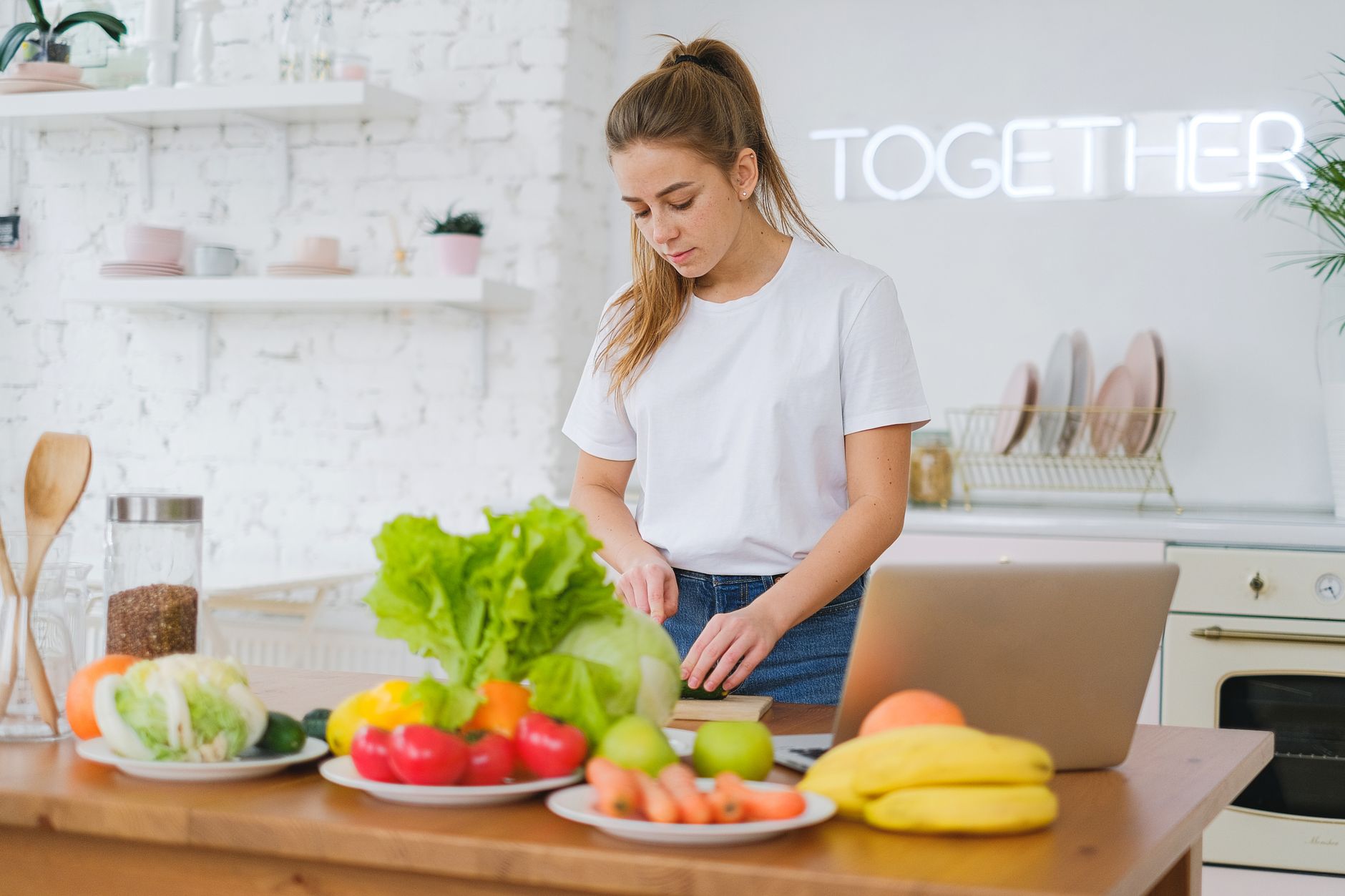
You've probably heard the phrase "fail to plan, plan to fail" — and when it comes to healthy eating, the research backs it up. Meal prepping, the practice of preparing some or all of your meals in advance, has moved well beyond fitness culture hashtags. It's now recognized by nutrition scientists as one of the most effective behavioral strategies for improving dietary quality and maintaining a healthy weight over time.
A 2017 study published in the International Journal of Behavioral Nutrition and Physical Activity found that people who spent more time on home meal preparation were significantly more likely to meet dietary guidelines and consume fewer calories from fast food and convenience meals. The connection is clear: when nutritious food is already waiting for you, the path of least resistance becomes the healthiest one.
Why Meal Prep Actually Works
The secret behind meal prepping isn't discipline — it's decision architecture. Every time you stand in front of an open fridge feeling hungry, your willpower is already compromised. Research in behavioral economics calls this "decision fatigue," the idea that the quality of decisions deteriorates after a long session of decision-making. By pre-selecting and preparing your meals, you eliminate dozens of daily micro-decisions about what to eat, dramatically reducing the chance of reaching for something ultra-processed.
Beyond the psychology, there's a nutritional dimension. A 2020 review in the journal Nutrients confirmed that home-cooked meals consistently contain more fiber, more vegetables, and less sodium and saturated fat than restaurant or takeout alternatives. Cooking at home gives you full control over ingredients, portion sizes, and cooking methods — three variables that have an outsized impact on your long-term health.
Recommended Products
As an Amazon Associate, NutriPlan earns from qualifying purchases — at no extra cost to you.
- NutriBullet Pro 900W Blender — Powerful personal blender — perfect for smoothies and nutrient-dense bowls.
- Digital Kitchen Food Scale — Accurate macro tracking starts with precise ingredient measurement.
Choosing the Right Foods to Prep
Not everything fares well after a few days in the fridge. Successful meal preppers lean on ingredients that hold their texture, flavor, and nutritional value over time.
Whole grains like brown rice, quinoa, farro, and oats are ideal batch-cooking staples. They reheat beautifully and serve as a fiber-rich base for bowls, salads, and warm dishes throughout the week.
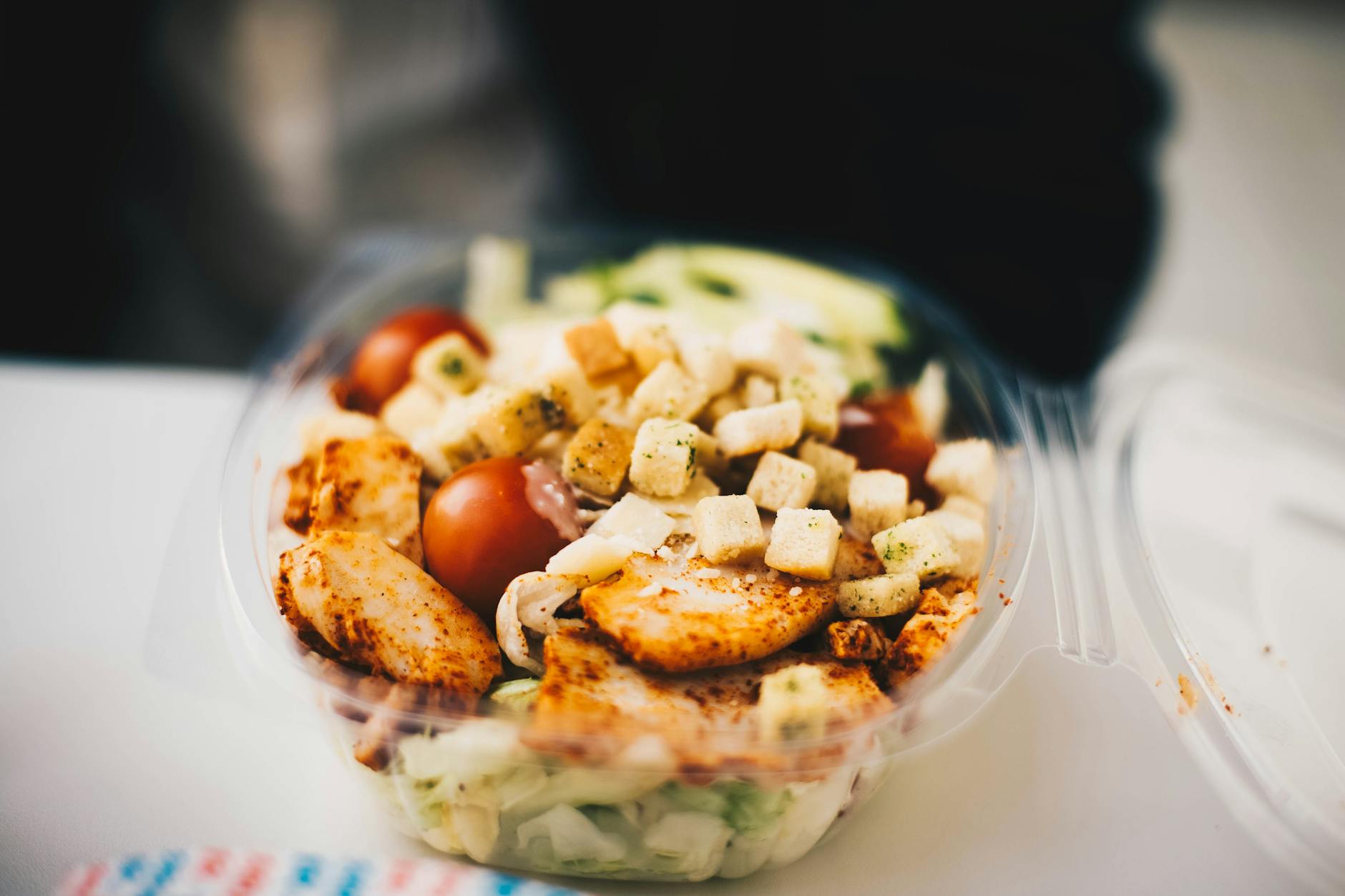
Lean proteins including baked chicken breast, hard-boiled eggs, canned or cooked legumes, and tofu store safely for four to five days and provide the amino acids your body needs for muscle maintenance, satiety, and cellular repair.
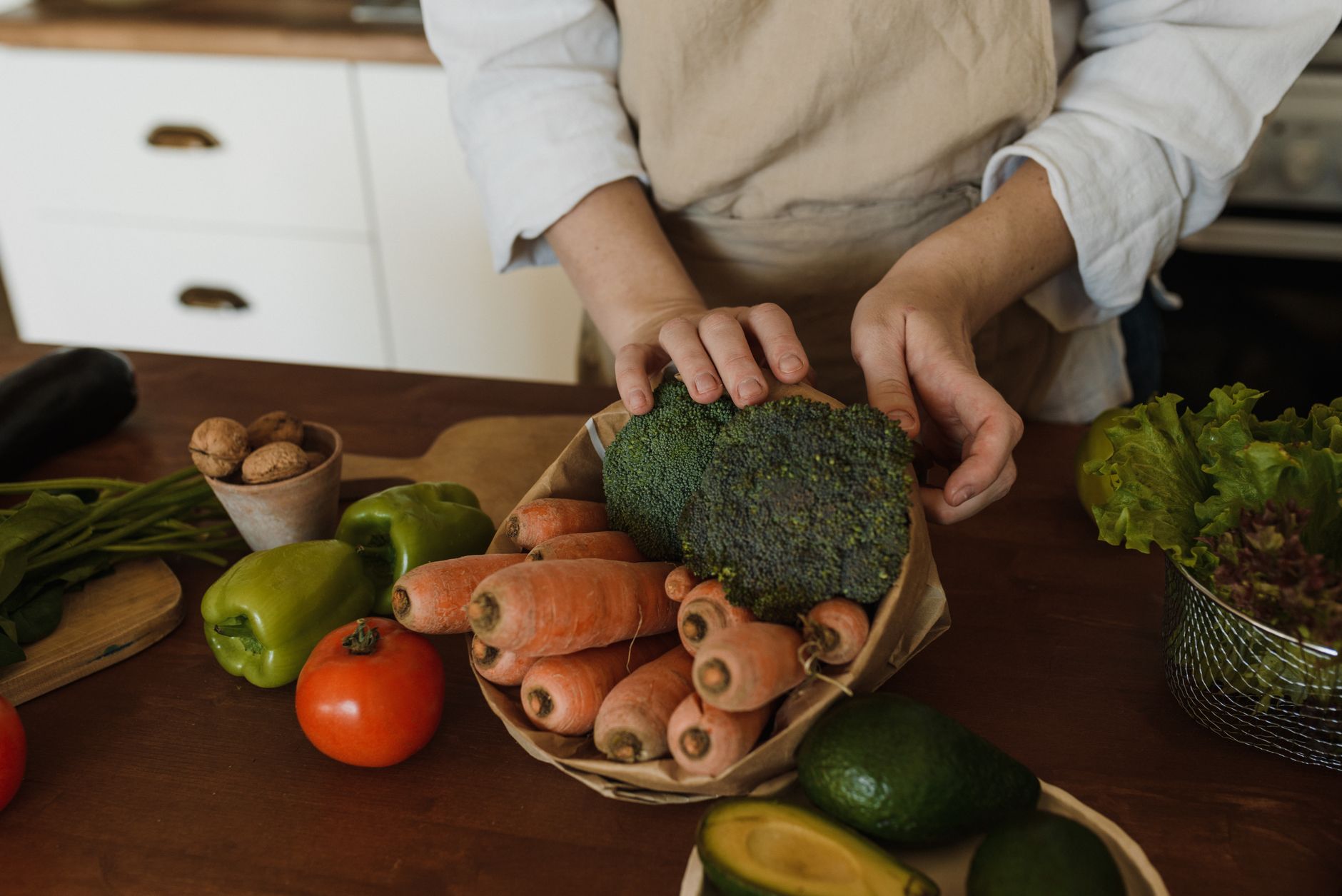
Roasted vegetables are among the most versatile prep items. Broccoli, sweet potatoes, cauliflower, zucchini, and bell peppers can be tossed in olive oil and roasted in large batches, then repurposed across multiple meals.
Sauces and dressings made from scratch — think tahini lemon dressing, tomato-based pasta sauce, or a simple vinaigrette — elevate simple ingredients and keep meals feeling varied rather than repetitive.
A Practical Framework for Your Prep Day
One of the biggest mistakes new meal preppers make is trying to prep every meal in full. That approach can feel overwhelming and rigid. Instead, think of meal prep as building components, not complete dishes.
Set aside two to three hours on a weekend day to prepare your building blocks. While grains simmer on the stove, vegetables roast in the oven and proteins bake on another rack. This parallel cooking approach maximizes efficiency without requiring professional kitchen skills.
A practical weekly prep might look like this:
- Grains: Cook a large pot of quinoa or brown rice
- Proteins: Bake a sheet of seasoned chicken thighs and hard-boil a dozen eggs
- Vegetables: Roast two trays of mixed vegetables with olive oil and herbs
- Extras: Prep washed salad greens, slice raw vegetables for snacking, and portion out nuts or trail mix
From these components, you can assemble grain bowls, wraps, stir-fries, salads, and quick stir-together lunches in minutes.
Food Safety: The Non-Negotiable Side of Meal Prep
All the nutritional benefits of meal prep disappear if food safety is ignored. The USDA recommends storing cooked proteins and grains in airtight containers in the refrigerator for no more than three to four days. For longer storage, most prepped foods freeze well for up to three months. Label containers with dates, keep your fridge at or below 40°F (4°C), and never reheat food more than once.
Making It Sustainable Long-Term
The best meal prep routine is one you'll actually stick with. Start small — prep just lunches for the week before graduating to full days. Rotate your flavor profiles weekly using different herbs, spices, and sauces to prevent palate fatigue. And give yourself permission to be flexible: prepped components can be mixed, matched, and reimagined, making weeknight cooking feel creative rather than robotic.
Consistency, not perfection, is what drives lasting nutritional change. A Sunday afternoon spent prepping is one of the highest-return investments you can make in your health — one meal at a time.
Disclaimer: This article is for informational and educational purposes only and does not constitute medical advice. The information presented is based on publicly available research and general nutritional principles. Always consult a qualified healthcare professional before making changes to your diet, especially if you have an existing medical condition or are taking medications.