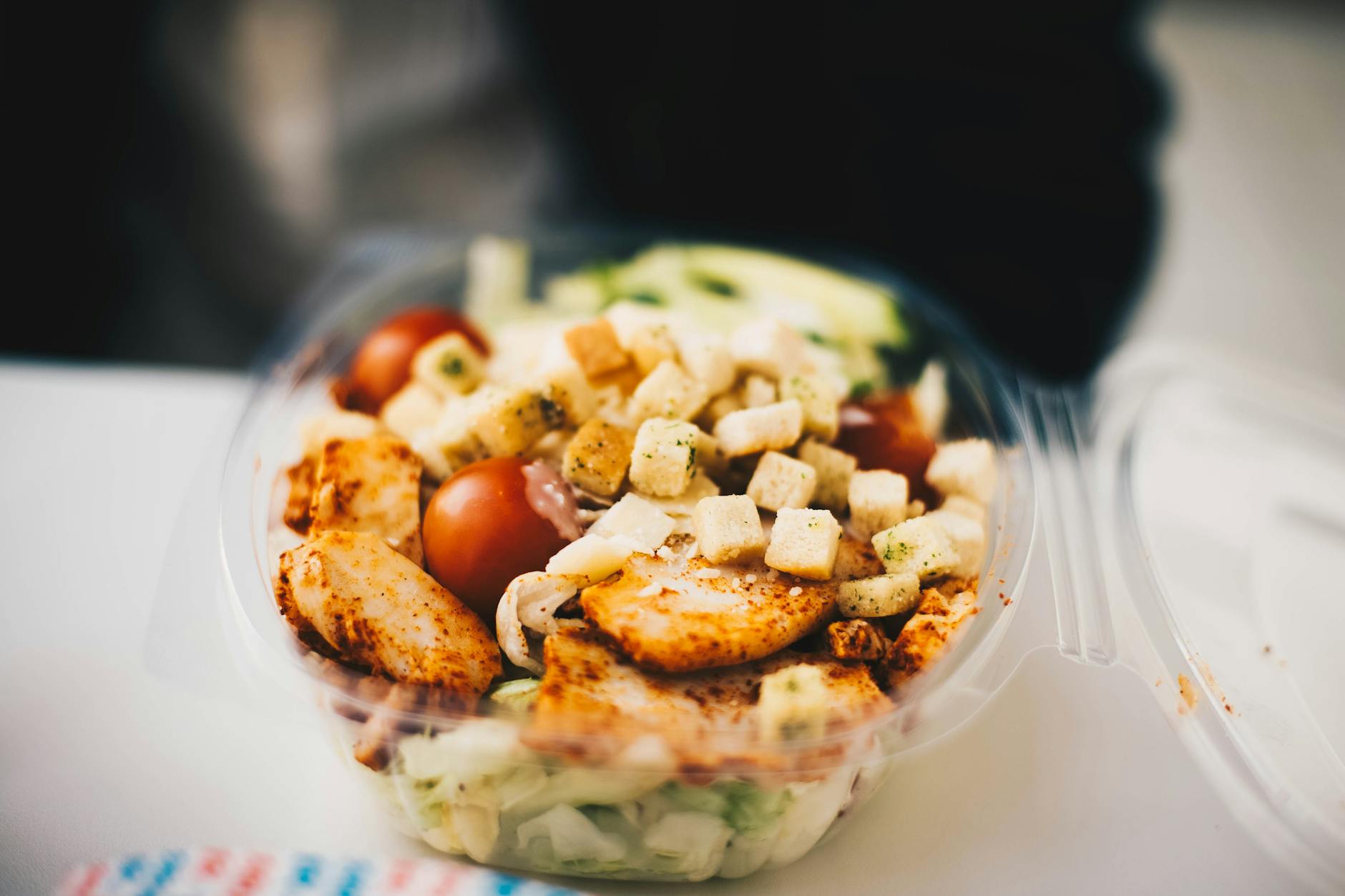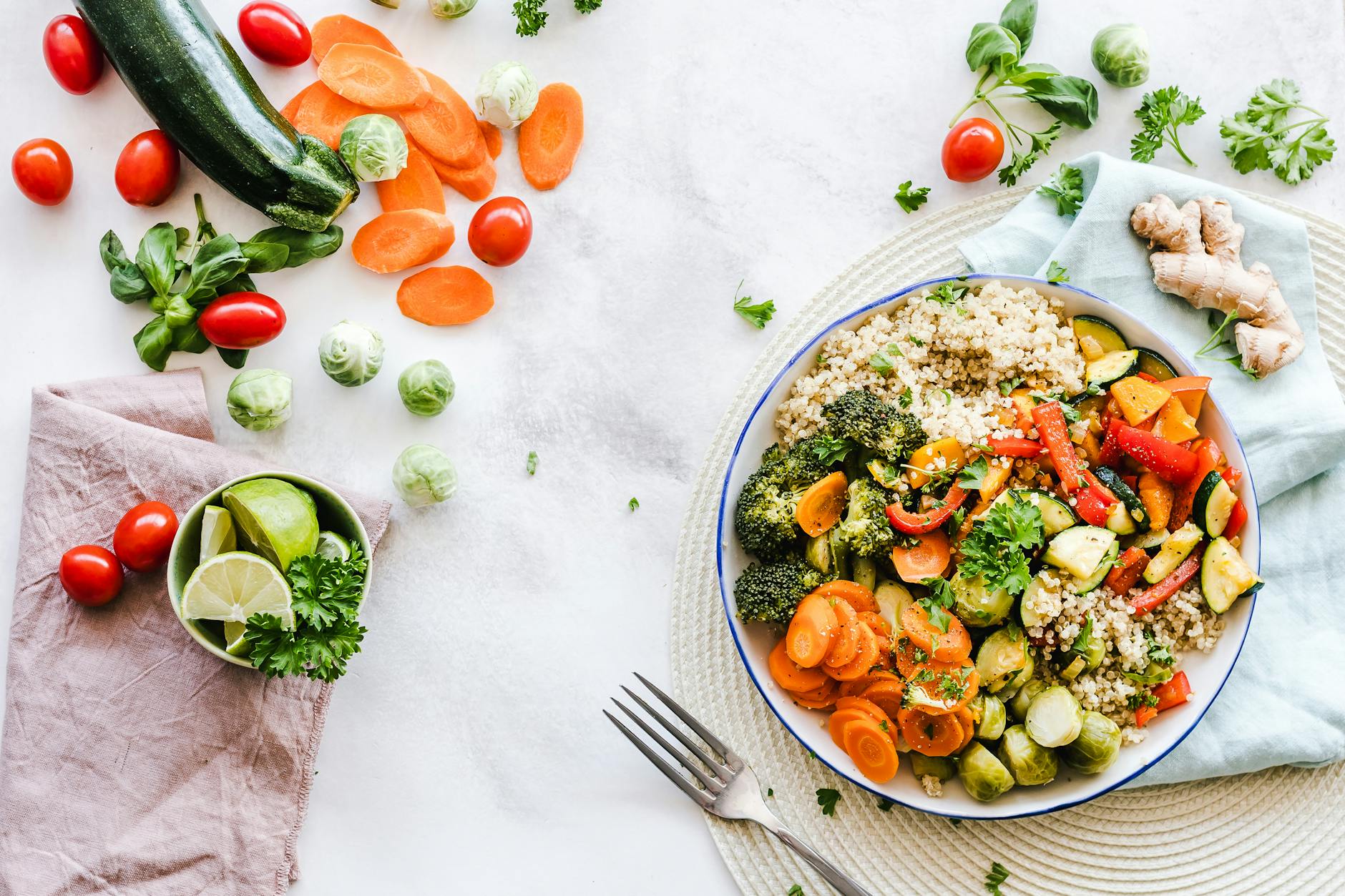
Most people's breakfast contains more carbohydrate than it does protein — a bowl of cereal, toast with jam, or a pastry. These foods spike blood sugar rapidly and leave you hungry again by mid-morning.
Protein changes the equation. Research consistently shows that starting the day with 25–40g of protein reduces appetite hormones (ghrelin), increases satiety hormones (peptide YY), reduces total daily calorie intake, and stabilises blood sugar more effectively than high-carbohydrate breakfasts.
Here are 10 practical high-protein breakfasts you can actually make on a weekday morning — with preparation times, protein counts, and notes on who they suit best.
1. Greek Yoghurt Parfait
Protein: ~28g | Prep: 3 minutes
Layer 200g of full-fat Greek yoghurt (18g protein) with 30g of granola or rolled oats, a handful of berries, and a tablespoon of hemp seeds (10g protein). Top with a drizzle of honey.
Greek yoghurt is one of the most protein-dense whole foods available gram-for-gram. The fat content improves satiety further, and the berries add polyphenols without spiking blood sugar significantly.
Who it suits: Almost everyone. Particularly good for people who don't have time to cook and want something cold.
2. Scrambled Eggs with Smoked Salmon
Protein: ~34g | Prep: 8 minutes
Whisk 3 eggs with a splash of milk and scramble gently over medium-low heat until just set. Serve on a slice of rye bread with 50g of smoked salmon, a squeeze of lemon, and a few capers.
Three eggs deliver 18g protein; 50g smoked salmon adds 11g; a slice of rye brings in 3–4g more. The combination of leucine-rich egg protein and omega-3-rich salmon makes this one of the nutritionally smartest breakfasts on this list.
Who it suits: Higher-calorie needs, muscle building, omega-3 seekers. Not ideal for very tight morning schedules.
3. Cottage Cheese Bowl
Protein: ~26g | Prep: 2 minutes
Scoop 200g of full-fat cottage cheese into a bowl. Top with sliced cucumber, cherry tomatoes, a drizzle of olive oil, black pepper, and fresh dill. Or go sweet: top with pineapple chunks, a tablespoon of almond butter, and a sprinkle of cinnamon.
Cottage cheese is often overlooked in the UK but contains approximately 12–13g of protein per 100g — almost double the protein density of yoghurt. It's also relatively low in calories, making it ideal for fat loss phases.
Who it suits: Calorie-conscious eaters, muscle building on a budget, people who want variety without effort.
4. Protein Oats (Overnight or Hot)
Protein: ~30–35g | Prep: 5 minutes (hot) or 5 minutes night before (overnight)
Combine 50g rolled oats with 250ml milk (dairy or fortified oat), 1 scoop whey or pea protein powder (20–25g protein), and your choice of toppings: banana, peanut butter, berries, or seeds.
Plain oats have only about 5g protein per 50g. Adding protein powder transforms them into a genuinely high-protein meal. For overnight oats, mix the night before and refrigerate — ready to eat straight from the jar.
Who it suits: Athletes, people who like a warm breakfast in winter, those doing strength training.
5. Egg Muffins (Batch Prep)
Protein: ~24g (for 3 muffins) | Prep: 20 minutes (batch of 12)
Whisk 8 eggs with salt, pepper, and a splash of milk. Stir in chopped spinach, diced peppers, cherry tomatoes, and crumbled feta cheese. Pour into a silicone muffin tin and bake at 180°C for 20–22 minutes. Makes 12 muffins.
These keep refrigerated for 5 days and frozen for 3 months. Three muffins provide approximately 24g protein and take 90 seconds to reheat. This is the ultimate weekday morning shortcut.
Who it suits: Meal preppers, busy mornings, people who want a hot savoury breakfast with minimal daily effort.
6. Smoked Mackerel on Rye with Cream Cheese
Protein: ~30g | Prep: 4 minutes
Spread two slices of rye or whole-grain crispbread with 30g cream cheese or soft goat's cheese. Top with a smoked mackerel fillet (drained from tin or packet), sliced cucumber, and a squeeze of lemon.
Smoked mackerel is one of the most protein and omega-3 dense convenience foods available — typically containing 20g protein per 100g. Combined with the dairy protein in cream cheese and the fibre in rye crispbread, this is a genuinely complete breakfast.
Who it suits: Omega-3 seekers, people who like savoury breakfasts, those managing blood pressure or cardiovascular risk.
7. Turkish-Style Eggs (Çılbır)
Protein: ~22g | Prep: 10 minutes
Mix 150g Greek yoghurt with 1 garlic clove (minced) and a squeeze of lemon. Spread onto a warm plate. Poach 2 eggs and place on top. Drizzle with butter that has been briefly warmed with smoked paprika and a pinch of chilli flakes. Serve with toasted whole-grain pitta.
The yoghurt + egg combination provides a remarkably satisfying protein base. This is a restaurant-quality breakfast that takes under 10 minutes.
Who it suits: Weekend mornings, anyone tired of their usual breakfast routine, people who prefer savoury starts.
8. Tofu Scramble
Protein: ~24g | Prep: 10 minutes
Press 200g firm tofu to remove moisture, then crumble into a hot pan with olive oil. Season with turmeric (for colour), nutritional yeast (for umami), garlic powder, black salt (for an eggy flavour), and a splash of soy sauce. Add spinach and cherry tomatoes for the final 2 minutes.
Tofu contains approximately 12g protein per 100g. Nutritional yeast adds a further 4–5g per tablespoon and provides B vitamins including B12 when fortified.
Who it suits: Vegans, plant-based eaters, anyone looking for egg alternatives.
9. Protein Smoothie Bowl
Protein: ~32g | Prep: 5 minutes
Blend: 200ml milk (dairy or fortified), 1 scoop protein powder, 100g frozen berries, ½ frozen banana, 1 tablespoon peanut butter. Pour into a bowl and top with sliced banana, granola, hemp seeds, and a few berries.
The difference between a smoothie bowl and a smoothie is the thickness (use less liquid) and the toppings — which add chewing and slow eating, improving satiety. This works exceptionally well as a post-workout breakfast.
Who it suits: Post-workout recovery, hot weather mornings, anyone who needs something quick but nutrient-dense.
10. Savoury Oats with Egg
Protein: ~26g | Prep: 10 minutes
Cook 50g rolled oats in stock (chicken or vegetable) rather than water or milk. Top with a soft-boiled or poached egg, sautéed mushrooms, a drizzle of soy sauce, and a sprinkle of sesame seeds.
Savoury oats sound unusual but are common in Asian cuisines and are consistently described as more filling than sweet oats. The stock adds depth; the egg adds protein; the mushrooms add umami and vitamin D.
Who it suits: People bored of sweet breakfasts, those who dislike protein powders, savoury breakfast enthusiasts.
How Much Protein Do You Need at Breakfast?
Research from Dr Donald Layman at the University of Illinois suggests a minimum of 25–30g of protein at breakfast to maximally stimulate muscle protein synthesis. Below about 20g, the anabolic response plateaus.
Practically, this means:
- 3 large eggs = 18g (add protein source)
- 200g Greek yoghurt = 18g (add protein source)
- 1 scoop whey protein = 20–25g (combine with other food)
- Combination meals hitting 25–40g = optimal range
Recommended Products
As an Amazon Associate, NutriPlan earns from qualifying purchases — at no extra cost to you.
- Liberte Greek Yoghurt 0% Plain, 500g — high-protein base for parfaits and savoury bowls
- Optimum Nutrition Gold Standard Whey, 2.27kg — reliable protein powder for oats and smoothies
- Naturya Organic Hemp Protein Powder, 450g — plant-based protein option with good amino profile
- Ryvita Original Dark Rye Crispbread, 200g — high-fibre crispbread base for smoked fish breakfasts
A high-protein breakfast is one of the highest-leverage nutritional habits for satiety, blood sugar stability, and muscle maintenance. It takes no more time than cereal — it just requires a small mindset shift about what "breakfast food" can be. Get a personalised meal plan with high-protein breakfast options built in →