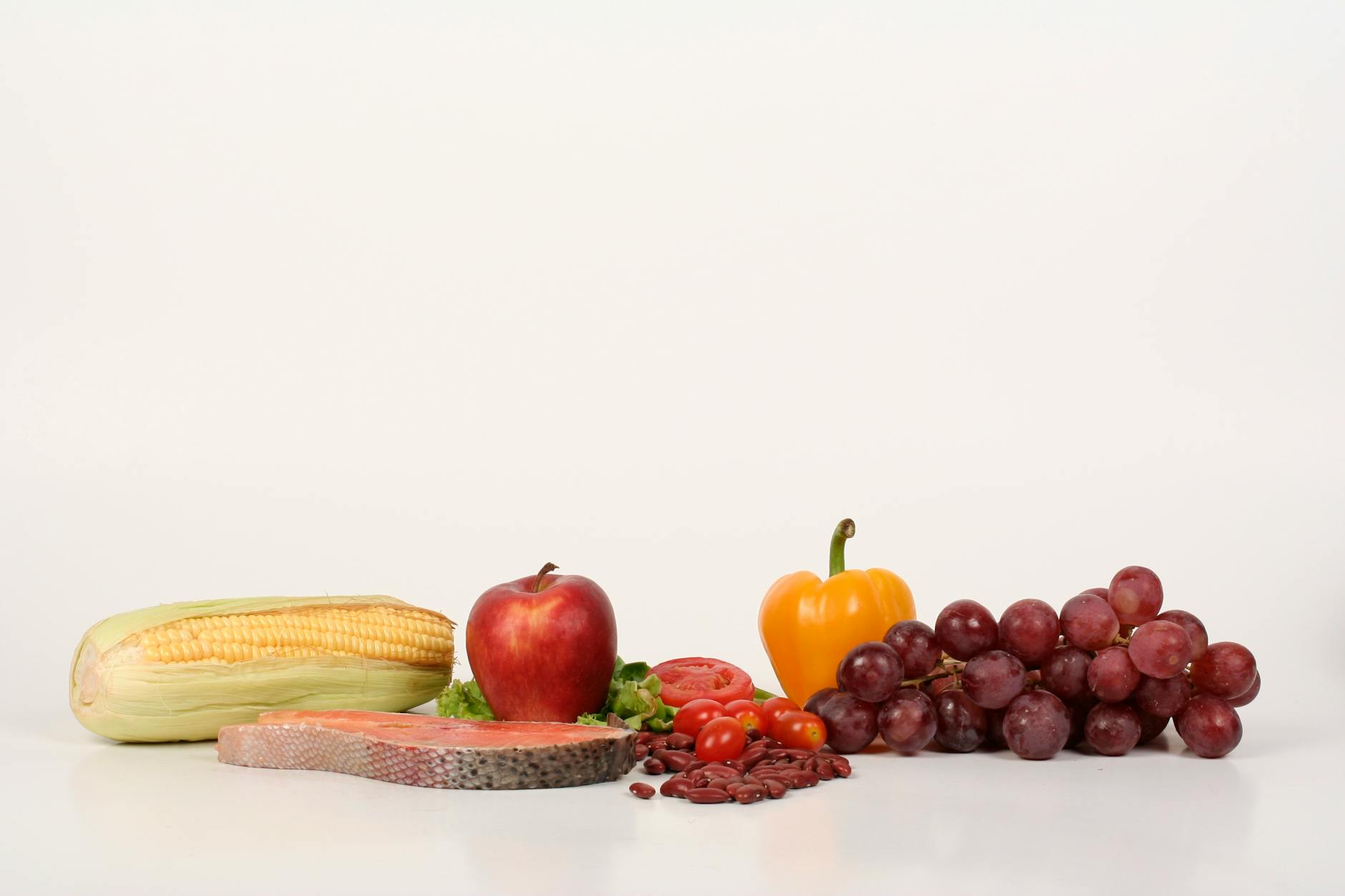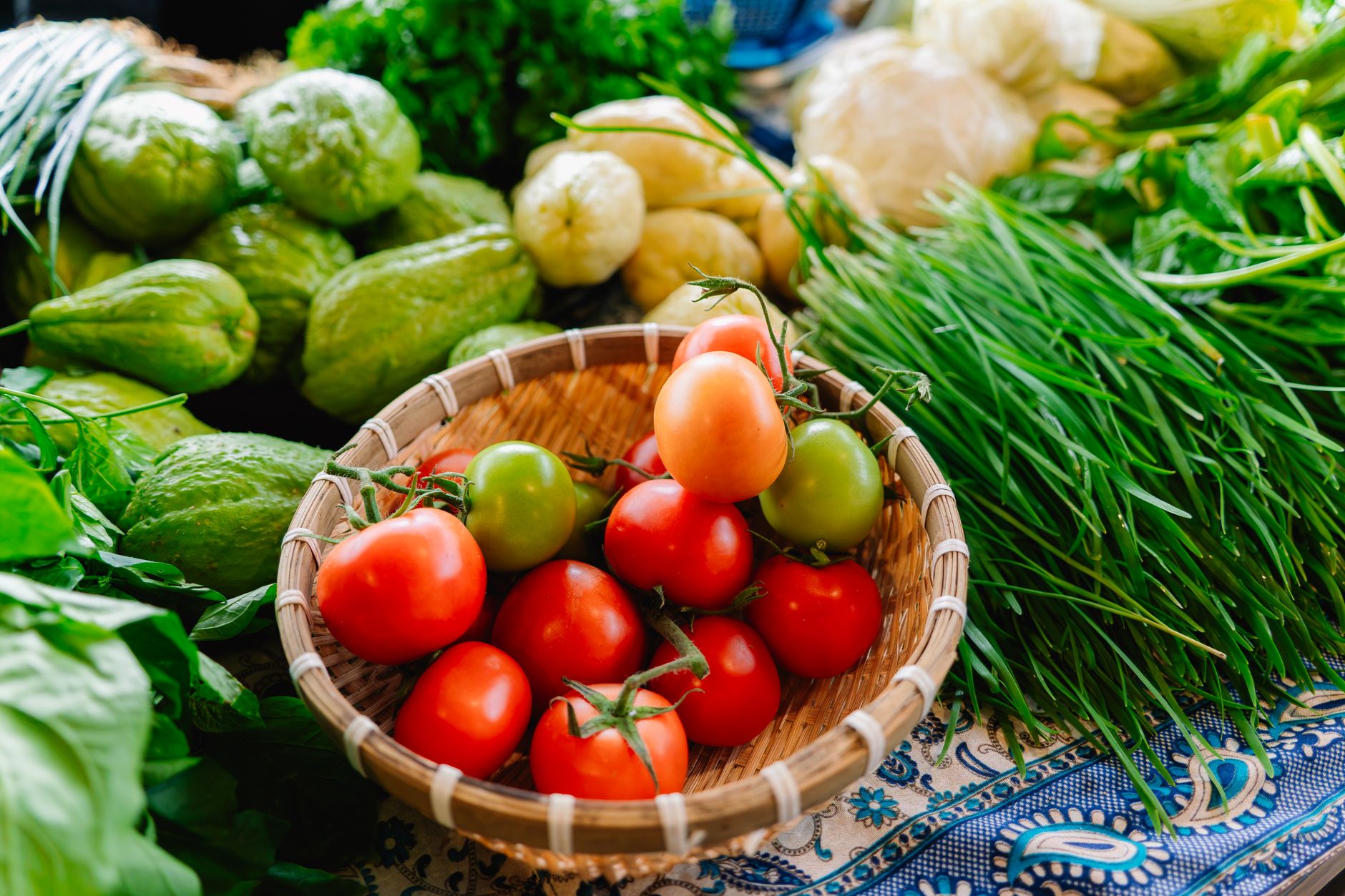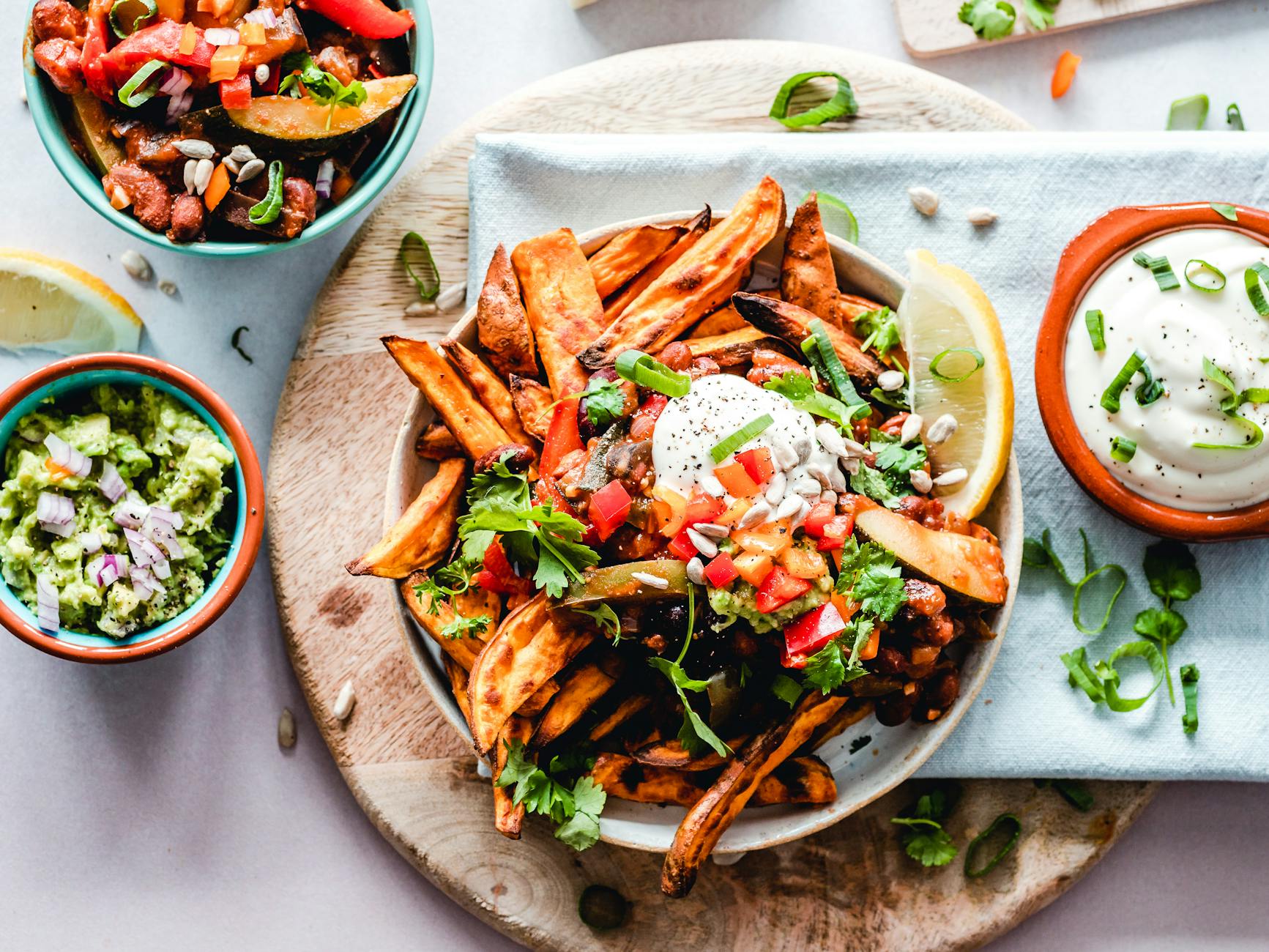
Hypertension — high blood pressure — affects roughly one in three adults in the UK and is a leading driver of heart attacks, strokes, and kidney disease. Medication is often necessary, but diet is a powerful first-line intervention, and one dietary approach has been tested in clinical trials specifically for blood pressure: the DASH diet (Dietary Approaches to Stop Hypertension).
The evidence is not subtle. Let's look at what DASH involves and how to make it practical.
What the Research Shows
The original DASH trial, published in the New England Journal of Medicine in 1997, enrolled 459 adults with elevated blood pressure. Participants were randomised to a control diet (typical American eating), a fruit-and-vegetable enriched diet, or the full DASH diet for eight weeks.
Results at eight weeks:
- DASH diet vs. control: systolic blood pressure fell by 11.4 mmHg and diastolic by 5.5 mmHg in people with hypertension
- Even in participants without hypertension, DASH reduced systolic pressure by 3.5 mmHg
To put that in context: a 5 mmHg reduction in systolic blood pressure is associated with approximately a 10% lower risk of stroke and a 7% lower risk of coronary heart disease. DASH achieved more than double that without any medication.
A follow-up DASH-Sodium trial showed that combining DASH with sodium restriction (below 1,500mg per day) could reduce systolic pressure by up to 16 mmHg in hypertensive individuals — comparable to some antihypertensive drugs.
The Core Principles of DASH
DASH isn't low-carb or low-fat. It's built around nutrients known to lower blood pressure: potassium, magnesium, calcium, and fibre — while limiting sodium, saturated fat, and added sugar.
Eat more of:
Vegetables (4–5 servings/day): Especially potassium-rich options — potatoes, sweet potatoes, tomatoes, spinach, broccoli, beetroot. Potassium blunts the blood-pressure-raising effect of sodium by helping the kidneys excrete more sodium.
Fruit (4–5 servings/day): Bananas, oranges, kiwis, apricots, and berries are particularly high in potassium. Berries also provide flavonoids associated with improved endothelial function.
Whole grains (6–8 servings/day): Oats, whole-wheat bread, brown rice, quinoa, and barley provide magnesium and fibre. Magnesium relaxes blood vessel walls and reduces peripheral resistance.
Low-fat dairy (2–3 servings/day): Milk, yoghurt, and cheese are primary dietary sources of calcium, which is independently linked to lower blood pressure. Full-fat dairy is not prohibited but the original DASH protocol used low-fat versions to keep saturated fat in check.
Lean protein (up to 2 servings/day): Skinless chicken, turkey, fish (especially oily fish for omega-3s), and eggs.
Legumes, nuts, and seeds (4–5 servings/week): Kidney beans, chickpeas, lentils, almonds, pumpkin seeds. These provide magnesium, potassium, and plant protein simultaneously.
Fats and oils: DASH limits total fat but favours unsaturated fats — olive oil, avocado, nuts — over saturated and trans fats.
Limit:
Sodium (salt): The biggest lever. Standard DASH targets ≤2,300mg sodium/day; enhanced DASH targets ≤1,500mg. The UK average is approximately 8–9g of salt per day (≈3,200mg sodium) — roughly double the DASH target. The largest sources are: bread, processed meat, ready meals, cheese, soups, and condiments. Cooking from scratch makes this manageable.
Saturated fat: Limit fatty red meat, full-fat processed dairy, pastries, and baked goods. These affect LDL cholesterol and arterial stiffness, compounding cardiovascular risk.
Added sugar: Particularly sugary drinks. A 2017 meta-analysis in the Journal of the American Heart Association found that higher sugar intake was independently associated with higher blood pressure, separate from its role in weight gain.
Alcohol: Heavy drinking acutely raises blood pressure. DASH recommends no more than one drink per day for women and two for men.
Practical Salt Reduction Without Sacrificing Flavour
The most common concern: "DASH food will taste bland." It doesn't have to. Salt can be replaced — or its absence compensated for — with:
- Acid: lemon juice, lime, vinegar. Acid heightens perceived saltiness and freshness.
- Herbs: fresh basil, parsley, coriander, dill, tarragon
- Spices: smoked paprika, cumin, coriander, turmeric, black pepper, chilli
- Aromatics: garlic, ginger, shallots, lemon zest
- Umami: mushrooms, sun-dried tomatoes, miso (in small amounts — it's high in sodium, so use sparingly)
Cook from scratch as much as possible — restaurant and takeaway meals are typically loaded with sodium.
A Sample DASH Day
Breakfast: Porridge made with semi-skimmed milk, topped with banana, blueberries, and a tablespoon of ground flaxseed. Black coffee or herbal tea.
Lunch: Lentil and vegetable soup (homemade, low-salt stock) with a slice of whole-grain bread. Side of mixed salad with olive oil and lemon dressing.
Snack: Low-fat Greek yoghurt with a small handful of almonds.
Dinner: Baked salmon with steamed broccoli, roasted sweet potato, and a tomato-spinach side salad. Water with a slice of lemon.
Dessert (optional): A piece of fresh fruit or a small bowl of mixed berries.
This day provides roughly 3,500mg potassium, 380mg magnesium, 1,200mg calcium, and under 2,000mg sodium — well within DASH targets.
Combining DASH with Exercise
Physical activity compounds DASH's effects. Aerobic exercise alone (30 minutes of brisk walking, five days per week) can reduce systolic blood pressure by 4–9 mmHg. Combined with DASH, the reductions are additive. If you're managing hypertension, diet and exercise together are a far more potent strategy than either alone.
Recommended Products
As an Amazon Associate, NutriPlan earns from qualifying purchases — at no extra cost to you.
- Clearspring Low-Salt Miso Paste — for umami depth with less sodium
- Barts Spices Complete Spice Rack — expand your herb and spice repertoire to replace salt
- Quaker Rolled Oats, 1kg — daily whole-grain base for DASH breakfasts
- Mixed Nuts (Unsalted), 1kg — DASH-friendly magnesium and healthy fat source
High blood pressure is often called the silent killer — but the DASH diet is a well-proven, non-silent solution. Start with the one change that makes the biggest difference: cut your salt intake by half. Read labels, cook from scratch, and build the rest of the DASH pattern from there. Generate a personalised DASH-inspired meal plan →