Inflammation gets a bad reputation — but not entirely fairly. Acute inflammation is your immune system working exactly as designed: it rushes blood and repair cells to an injury, fights pathogens, and then stands down. The problem is chronic low-grade inflammation, which never stands down. It smoulders silently for years, quietly raising the risk of cardiovascular disease, type 2 diabetes, Alzheimer's disease, and certain cancers.
The remarkable thing is how powerfully your diet influences this process.
What Actually Causes Chronic Inflammation?
Several factors keep inflammation elevated: excess visceral fat (especially around the organs), high blood sugar, oxidative stress, dysbiosis of the gut microbiome, and — critically — a dietary pattern heavy in ultra-processed foods.
A landmark 2020 study in the Journal of the American College of Cardiology followed over 210,000 adults for up to 32 years. It found that people with the highest pro-inflammatory diet scores had a 46% higher risk of cardiovascular disease compared with those eating the most anti-inflammatory diets.
The Most Inflammatory Foods
Before talking about what to add, let's acknowledge what to reduce:
Refined carbohydrates and added sugar — white bread, sugary drinks, pastries, and breakfast cereals with added sugar all spike blood glucose rapidly. Repeated spikes promote glycation (sugar molecules binding to proteins), oxidative stress, and signalling cascades that upregulate inflammatory cytokines like IL-6 and TNF-α.
Trans fats and industrial seed oils — partially hydrogenated oils (still found in some baked goods and fast food) are directly pro-inflammatory. Even common refined vegetable oils high in omega-6 linoleic acid (corn, sunflower, soybean) can tilt the omega-6 to omega-3 ratio into inflammatory territory when consumed in large amounts.
Ultra-processed meat — processed meats such as hot dogs, salami, and certain sausages have been associated with elevated C-reactive protein (CRP), a key inflammatory marker, in multiple epidemiological studies.
Alcohol (in excess) — moderate intake shows mixed evidence, but heavy drinking consistently elevates inflammatory markers and damages the gut barrier, allowing endotoxins to enter the bloodstream.
The Most Anti-Inflammatory Foods
Fatty Fish
Salmon, sardines, mackerel, herring, and anchovies are rich in EPA and DHA — the long-chain omega-3 fatty acids that are metabolised into specialised pro-resolving mediators (SPMs). These compounds don't just suppress inflammation; they actively help resolve it. Aim for two to three portions per week.
Extra-Virgin Olive Oil
The Mediterranean diet's superstar ingredient contains oleocanthal, a phenolic compound that inhibits the same enzymes (COX-1 and COX-2) as ibuprofen — albeit at lower potency per dose. A 2015 study in Acta Pharmacologica Sinica estimated that 50ml of EVOO provides anti-inflammatory activity roughly equivalent to about 10% of the adult ibuprofen dose. Use it liberally as your primary cooking and dressing fat.
Colourful Vegetables and Fruits
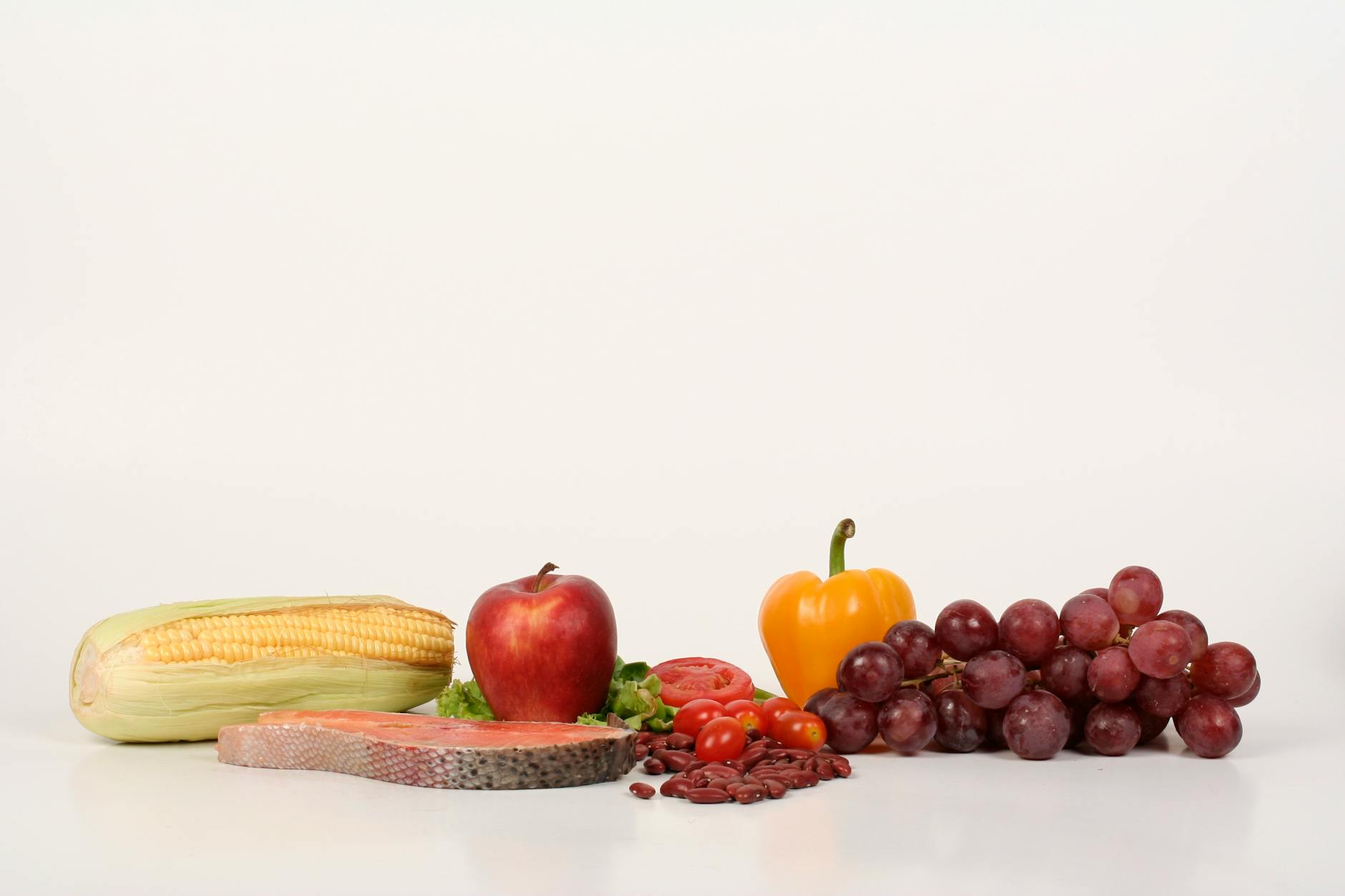
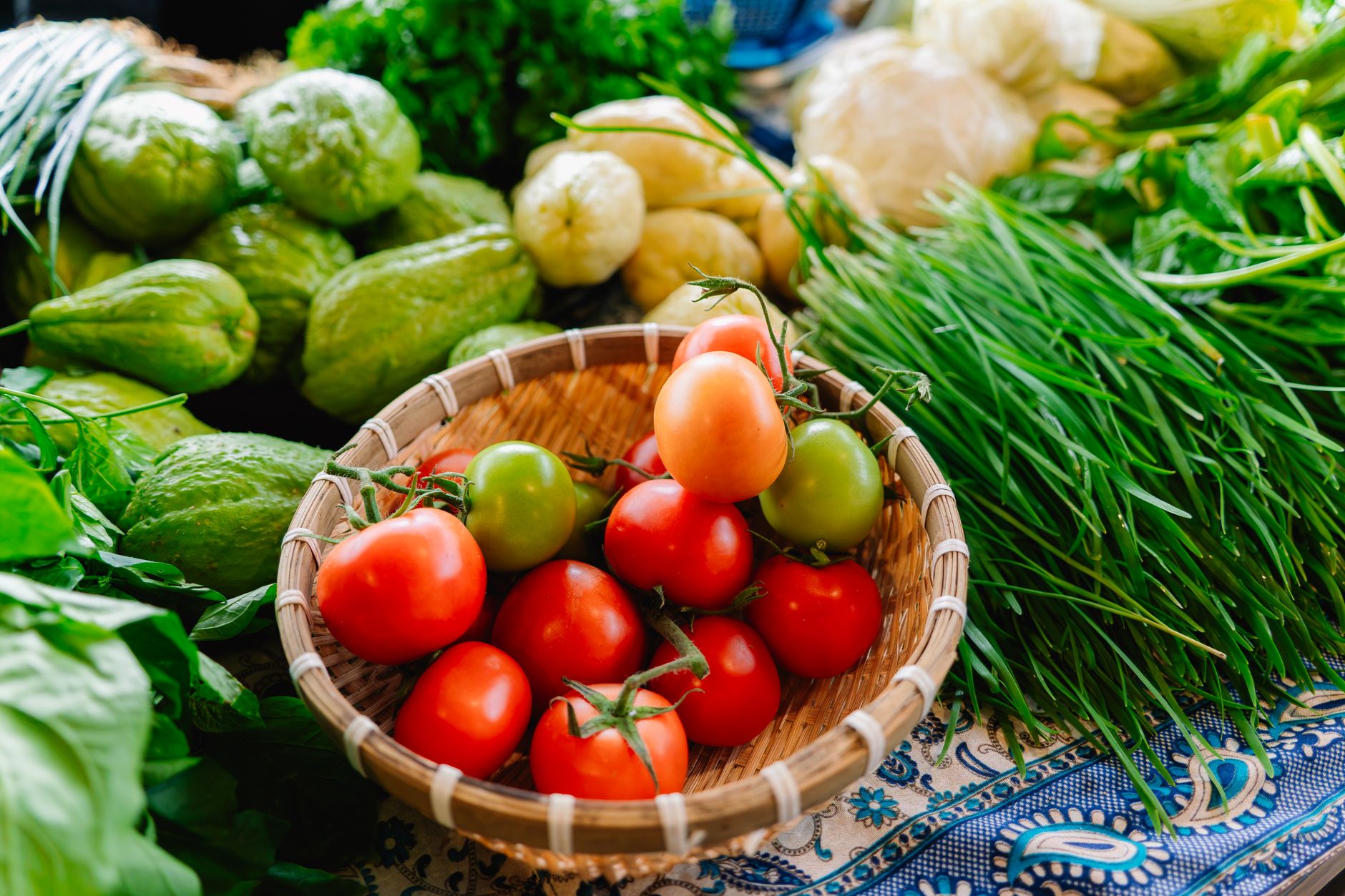
Dark leafy greens (kale, spinach, Swiss chard), berries (blueberries, strawberries, raspberries), and brightly coloured vegetables like red peppers and purple cabbage are loaded with polyphenols, carotenoids, and vitamin C — all potent antioxidants that neutralise the reactive oxygen species that drive inflammatory pathways.
Aim for the "eat the rainbow" principle: each colour class provides different phytonutrients, so variety matters.
Nuts and Seeds
Walnuts stand out for their ALA omega-3 content. Almonds are rich in vitamin E, a fat-soluble antioxidant. Flaxseeds and chia seeds add both ALA and lignans (phytoestrogens with anti-inflammatory properties). A handful of mixed nuts daily is an easy, evidence-backed habit.
Legumes
Beans, lentils, and chickpeas provide fibre (especially resistant starch and soluble fibre) that feeds beneficial gut bacteria. These bacteria produce short-chain fatty acids like butyrate, which directly reduce intestinal inflammation and support the gut barrier.
Spices: Turmeric and Ginger
Curcumin (from turmeric) and gingerol (from ginger) both inhibit NF-κB — a transcription factor often called the "master regulator" of inflammation. Bioavailability of curcumin is notoriously poor on its own; combining it with black pepper (piperine) increases absorption by up to 2,000% according to a 1998 study in Planta Medica.
Green Tea
Epigallocatechin gallate (EGCG) in green tea suppresses multiple inflammatory cytokines and protects cells from oxidative damage. Three to four cups per day has been associated with lower CRP levels in several Asian cohort studies.
The Anti-Inflammatory Plate in Practice
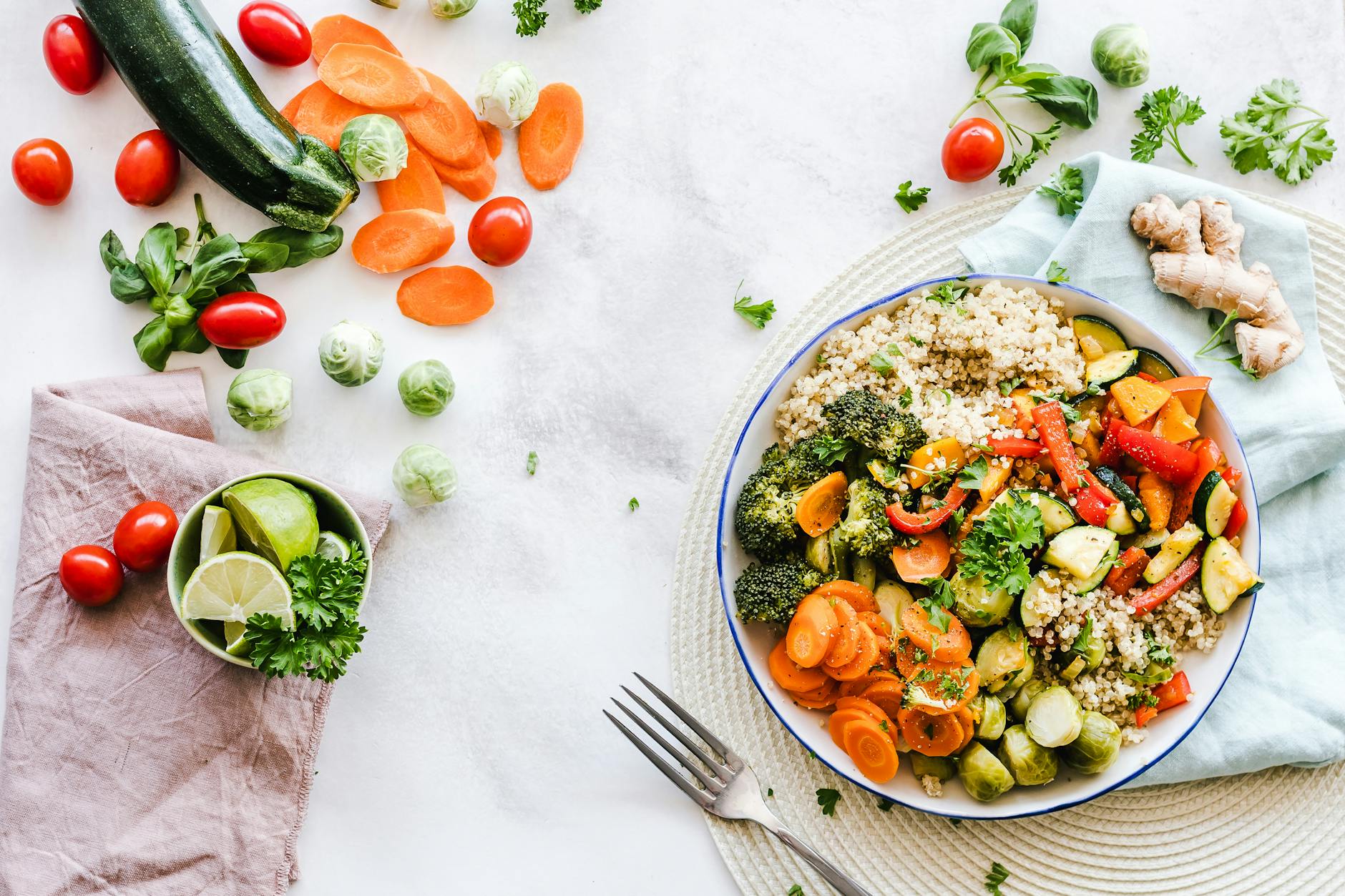
You don't need a rigid protocol. The Mediterranean diet — consistently ranked as one of the world's most anti-inflammatory eating patterns — offers a simple framework:
- Half your plate: non-starchy vegetables and salad
- A quarter: whole grains (oats, quinoa, brown rice, whole-wheat pasta)
- A quarter: lean protein (fish, legumes, poultry, eggs)
- Fats: extra-virgin olive oil as the primary fat, with nuts and avocado
- Snacks: fruit, yoghurt, hummus, a small handful of nuts
The key shift is moving away from ultra-processed convenience foods and toward whole, minimally processed ingredients — without requiring perfection.
How Long Does It Take?
A 2019 controlled trial in Clinical Nutrition showed that switching from a Western diet to an anti-inflammatory Mediterranean-style diet measurably reduced IL-6 and CRP within just four to eight weeks. The gut microbiome responds even faster — diversity changes are detectable within 10–14 days of dietary shifts.
Recommended Products
As an Amazon Associate, NutriPlan earns from qualifying purchases — at no extra cost to you.
- Kirkland Signature Wild Alaskan Salmon (canned, 6-pack) — convenient high-EPA option for quick meals
- Filippo Berio Extra Virgin Olive Oil, 5L — good quality EVOO for everyday cooking
- Organic Turmeric Powder + Black Pepper Capsules — bioavailable curcumin for those who want supplemental support
- Naturya Organic Chia Seeds, 1kg — plant-based omega-3 and fibre
Chronic inflammation isn't inevitable — and you don't need a prescription to address it. Start with one meal. Swap the ultra-processed snack for a handful of walnuts, dress your salad with olive oil, add a tin of sardines to your weekly shop. Small, consistent changes accumulate into measurable biological shifts. Generate your personalised anti-inflammatory meal plan →