Inflammation gets a bad reputation — and for good reason. While short-term inflammation is a vital part of your immune response, helping your body heal from injury and fight infection, chronic low-grade inflammation is an entirely different story. Researchers now link persistent systemic inflammation to conditions ranging from heart disease and type 2 diabetes to arthritis, depression, and cognitive decline.
The good news? What you eat has a profound and measurable influence on your body's inflammatory state. A growing body of evidence suggests that adopting an anti-inflammatory dietary pattern isn't just complementary medicine — it's one of the most evidence-backed strategies available for protecting long-term health.
What Is Chronic Inflammation, Really?
Think of chronic inflammation as your immune system stuck in a low-level "on" position. Unlike the acute redness and swelling you see around a cut, chronic inflammation operates silently at the cellular level. A 2022 review published in Nature Reviews Immunology described it as a persistent dysregulation of immune signaling that damages tissues over months and years without obvious symptoms until significant harm has accumulated.
Diet is one of the most modifiable drivers of this process. Certain foods promote inflammatory signaling pathways, while others actively suppress them — making every meal an opportunity to tip the balance in your favor.
Recommended Products
As an Amazon Associate, NutriPlan earns from qualifying purchases — at no extra cost to you.
- Magnesium Glycinate 400mg (120 capsules) — Highly bioavailable magnesium to support sleep, stress and muscle recovery.
- Hydration Electrolyte Tablets (40 tablets) — Zero sugar electrolytes to keep you hydrated throughout the day.
Foods That Fan the Flames
Before exploring what to eat more of, it helps to understand what to limit. Research consistently identifies several dietary patterns and specific foods that elevate inflammatory biomarkers, particularly C-reactive protein (CRP) and interleukin-6 (IL-6):
- Ultra-processed foods: Packaged snacks, fast food, and ready meals loaded with refined carbohydrates, industrial seed oils, and additives have been repeatedly associated with higher inflammatory markers in large epidemiological studies.
- Added sugars: A 2021 meta-analysis in Nutrients found that high sugar intake significantly elevated CRP levels across multiple population groups.
- Trans fats and refined seed oils: Partially hydrogenated oils and diets disproportionately high in omega-6 fatty acids relative to omega-3s can shift the body toward a pro-inflammatory state.
- Excess alcohol: Regular heavy drinking disrupts gut barrier integrity and activates inflammatory immune pathways in the liver and beyond.
The Cornerstones of an Anti-Inflammatory Diet
The most rigorously studied anti-inflammatory dietary patterns — including the Mediterranean diet and the DASH diet — share a common set of principles. A landmark 2023 study in the American Journal of Clinical Nutrition found that adherence to a Mediterranean-style diet was associated with a 25% reduction in circulating inflammatory markers over a 12-week intervention period.
Here's what those patterns consistently emphasize:
Colorful Vegetables and Fruits
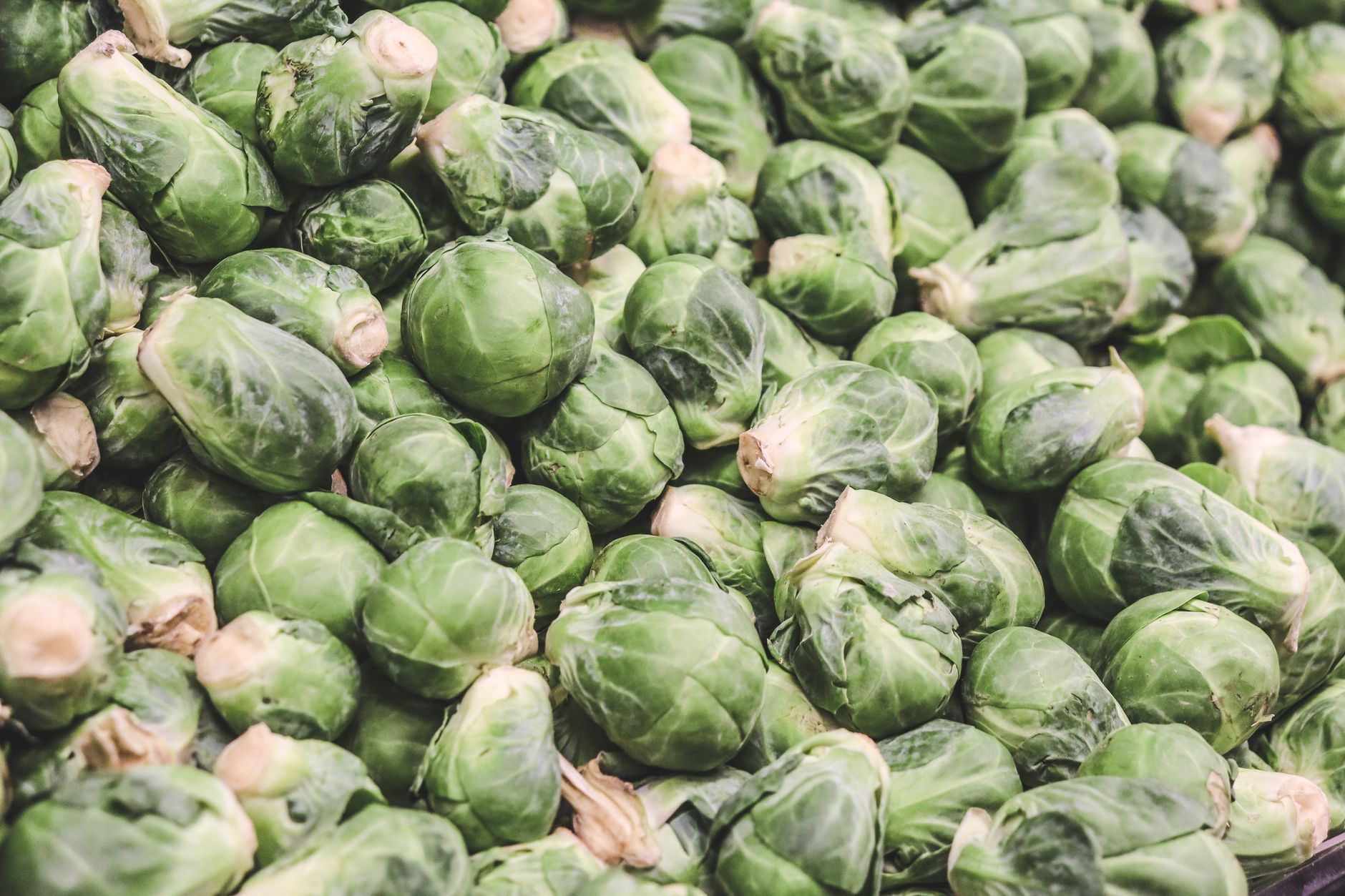
Plant foods are rich in polyphenols, carotenoids, and flavonoids — bioactive compounds that directly inhibit pro-inflammatory enzymes. Aim for at least five varied servings daily. Berries, leafy greens, cruciferous vegetables, and tomatoes are particularly potent sources.
Fatty Fish Twice a Week
The EPA and DHA found in oily fish like salmon, mackerel, and sardines are precursors to specialized pro-resolving mediators (SPMs) — molecules your body uses to actively resolve inflammation. Research published in The Journal of Nutritional Biochemistry confirmed that regular fatty fish consumption significantly lowers inflammatory cytokine levels.
Extra Virgin Olive Oil
Oleocanthal, a phenolic compound in high-quality extra virgin olive oil, works through a mechanism similar to ibuprofen by inhibiting COX-1 and COX-2 enzymes. Using two to four tablespoons daily as your primary cooking and dressing fat is a practical and research-supported habit.
Whole Grains Over Refined Grains
Swapping white bread and pasta for oats, quinoa, brown rice, and whole grain bread reduces post-meal blood sugar spikes that trigger inflammatory signaling. A 2020 study in Gut found whole grain consumption was also associated with favorable shifts in gut microbiome composition — itself an anti-inflammatory benefit.
Legumes, Nuts, and Seeds
Lentils, chickpeas, walnuts, flaxseeds, and chia seeds deliver fiber, plant protein, and omega-3 alpha-linolenic acid (ALA) — all of which contribute to a lower inflammatory load over time.
Spices Are More Than Flavor
Don't overlook your spice rack. Turmeric's active compound curcumin has been shown in multiple randomized controlled trials to reduce CRP and TNF-alpha levels. Ginger, cinnamon, and rosemary also contain compounds with documented anti-inflammatory activity. Cooking with these spices regularly is a simple, cost-free upgrade to any meal.
Building Your Anti-Inflammatory Plate
You don't need a complete dietary overhaul overnight. Start with these three practical shifts:
- Replace one processed snack daily with a small handful of walnuts and a piece of fruit.
- Add a handful of leafy greens to at least one meal every day — smoothies, soups, and stir-fries all work.
- Cook with olive oil instead of butter or vegetable oil for everyday meals.
Consistency matters more than perfection. A 2022 clinical trial in JAMA Network Open demonstrated that even partial adherence to an anti-inflammatory dietary pattern produced meaningful reductions in inflammatory markers within eight weeks.
Your fork is one of the most powerful tools you have for managing inflammation — and the evidence has never been clearer about how to use it.
Disclaimer: This article is for informational and educational purposes only and does not constitute medical advice. The information presented is based on publicly available research and general nutritional principles. Always consult a qualified healthcare professional before making changes to your diet, especially if you have an existing medical condition or are taking medications.